
Good backyard garden tips can save time, reduce waste, and help plants grow with fewer problems. Many new growers start with strong interest but weak planning, which often leads to crowded beds, poor soil, and uneven watering. A few simple habits can make a backyard garden easier to manage and more productive throughout the season.
Home gardening specialists often note that success starts with the basics rather than expensive tools or complicated systems. Extension-style growing advice, soil educators, and experienced growers regularly point to planning, soil quality, and consistent care as the main factors behind healthy home gardens.
1. Start With a Small and Manageable Garden Space
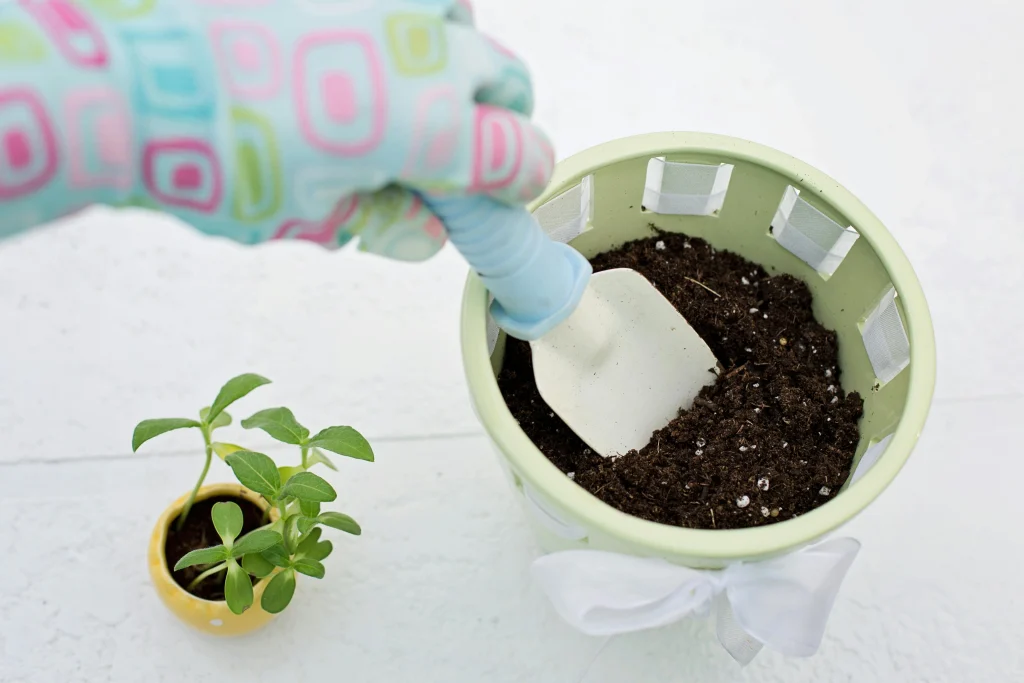
One of the most useful backyard garden tips for beginners is to keep the first garden small. A compact space is easier to weed, water, observe, and adjust. It also helps new growers learn how sunlight, soil, and weather affect plant growth without feeling overwhelmed.
Garden educators often suggest starting with only a few reliable crops. Tomatoes, leafy greens, beans, peppers, and herbs are common beginner choices because they offer visible progress and practical harvests. A smaller setup also makes it easier to notice signs of stress before they become major problems.
When a garden grows too large too quickly, regular care often slips. Plants may become crowded, weeds spread faster, and watering becomes uneven. A manageable layout helps growers build confidence and establish routines that can be expanded later.
Credit: Jill Wellington / Pexels
2. Use Backyard Garden Tips That Focus on Sunlight First
Before planting, it helps to watch the yard for a few days and note where sunlight falls. Most vegetables need several hours of direct light each day. A bed that looks bright in the morning may sit in shade for most of the afternoon, which can slow growth and reduce yields.
Growing guides from horticulture educators often place sunlight near the top of the planning list. Leafy crops may tolerate partial shade better than fruiting plants, but tomatoes, cucumbers, squash, and peppers usually perform best in brighter spots. Matching plants to light conditions prevents disappointment later in the season.
Backyard garden tips are most effective when they work with the yard instead of against it. Rather than forcing sun-loving crops into shady corners, growers can reserve lower-light areas for herbs, greens, or rest zones. This makes the whole space more practical and easier to manage.
3. Build Healthy Garden Soil Before Adding More Plants
Healthy garden soil supports root growth, moisture balance, and steady plant development. New growers sometimes plant first and think about soil later, but the soil itself shapes much of the garden’s success. Soil that drains poorly or lacks organic matter can lead to weak plants and slow growth.
Soil specialists often recommend adding compost to improve structure and support soil life. Compost can help sandy soil hold moisture and can improve the texture of dense soil as well. Mulch on top of the soil also helps reduce water loss and keeps weeds from spreading quickly.
Among all beginner garden advice, few steps matter more than feeding the soil. When the soil is active and balanced, many routine problems become easier to manage. Strong roots also help plants recover better from heat, light stress, or changes in weather.
4. Space Plants Properly Instead of Planting Too Much
Many new gardeners want to grow as much as possible in a small area. This often leads to tight spacing, poor airflow, and heavier disease pressure. Seed packets and planting guides usually list spacing for a reason. Those gaps help roots spread, leaves dry faster, and sunlight reach lower growth.
Researchers who study plant health often point to overcrowding as a common reason for weak productivity in home gardens. When plants compete for light and moisture, they may stay small or become more vulnerable to pests. Proper spacing also makes pruning, harvesting, and pest checks much easier.
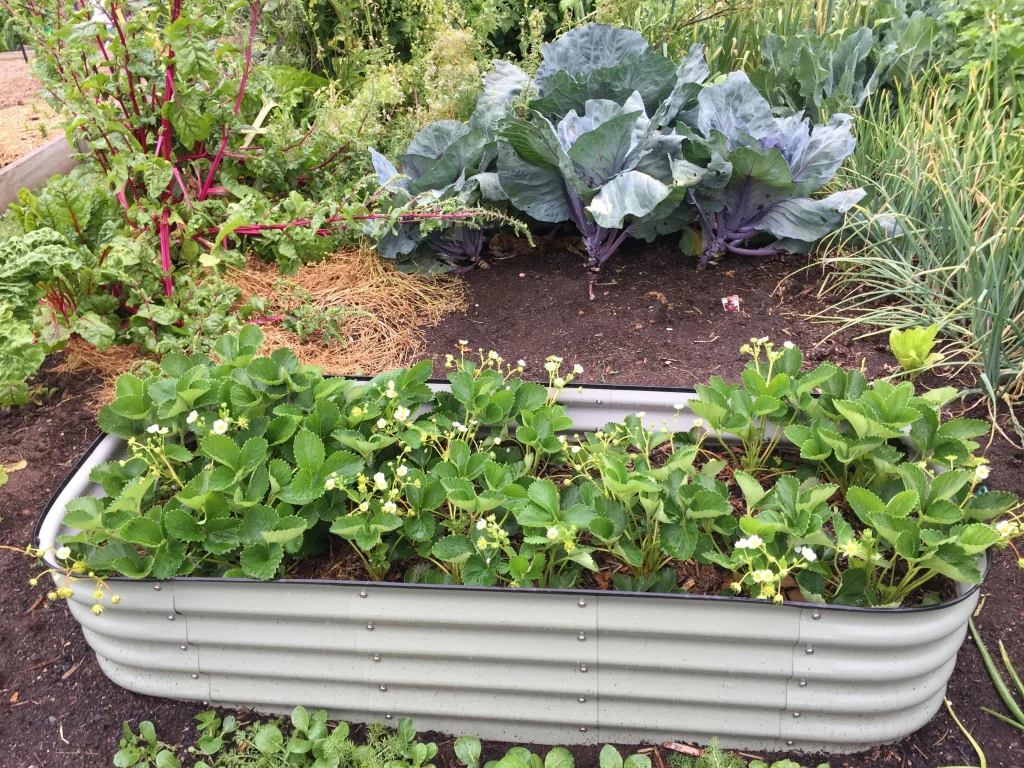
Backyard garden tips that support spacing also improve the appearance of the garden. Clean rows or grouped plant sections make the space easier to understand at a glance. This simple order helps gardeners stay consistent with care.
 Credit: LUIS GALLARDO / Pexels
5. Follow Backyard Garden Tips for Consistent Watering
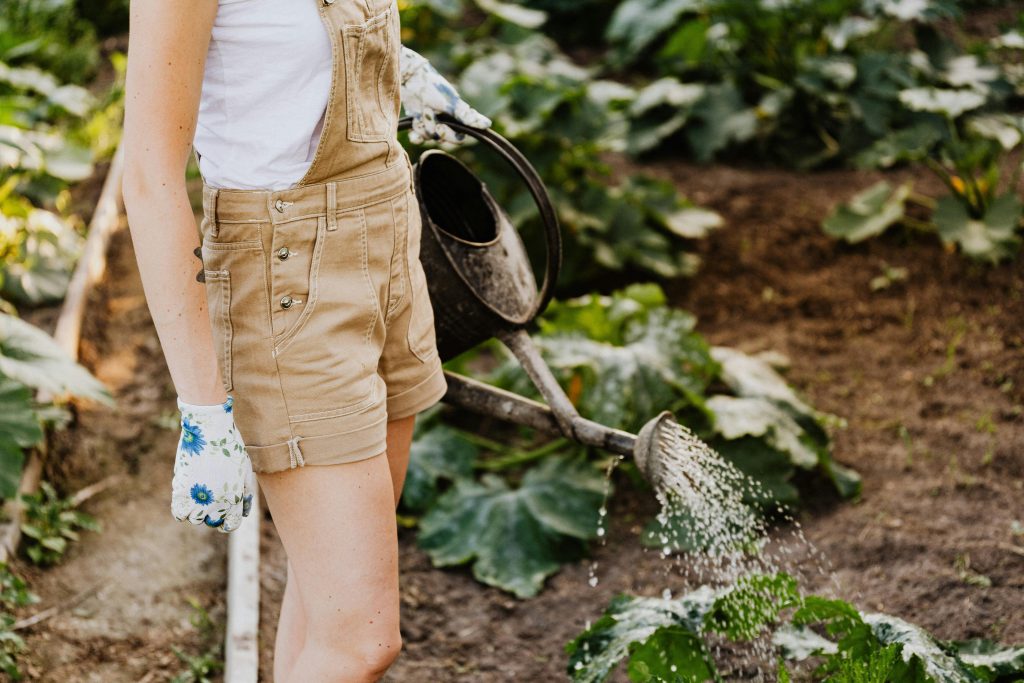
Watering garden plants on a steady schedule usually works better than heavy watering once in a while. Deep, regular watering helps roots grow downward and reduces stress during hot weather. Shallow and irregular watering can leave plants weak and dependent on constant attention.
Water management experts often recommend checking the soil before watering rather than guessing from surface appearance alone. The top layer may look dry while the root zone still holds moisture. Early morning watering is widely used because it gives plants time to absorb water before midday heat.
Mulch is one of the simplest ways to make watering more efficient. It helps slow evaporation, protects soil from strong sun, and keeps moisture more even across the bed. That can make a major difference during dry weeks.
6. Watch for Problems Early Instead of Waiting for Damage
Healthy gardens benefit from regular observation. A quick walk through the garden each day can reveal holes in leaves, yellowing stems, curling growth, or dry patches before the issue spreads. Early action is often easier and gentler than trying to correct a large problem later.
Plant health educators often encourage gardeners to look under leaves and around the base of stems. Many pests and early disease signs first appear in these areas. Catching them early can reduce the need for stronger treatments and protect nearby crops.
This is one of the most practical backyard garden tips because it takes only a few minutes. A consistent visual check can prevent long periods of unnoticed stress and help growers learn what normal plant growth looks like in their own space.
7. Choose Reliable Crops That Match the Season
A backyard garden works best when crops match the local season. Cool-weather greens often struggle in rising summer heat, while warm-season vegetables may stall in cool soil. Seasonal planting guides help growers place crops where they have the best chance to establish well.
Growing professionals often suggest choosing reliable crops for each season rather than forcing one favorite plant year-round. Lettuce, peas, and spinach usually fit cooler periods, while tomatoes, squash, beans, and peppers often suit warmer months. Matching crops to the season reduces stress on both plants and gardeners.
It also helps to stagger planting dates instead of planting everything at once. This can create a longer harvest period and reduce the pressure of managing all plants at the same stage.
8. Keep Simple Notes to Improve Each Garden Season
Garden notes do not need to be formal. A basic record of planting dates, weather changes, pest issues, and crop results can help identify patterns. Over time, these notes become one of the most useful sources of beginner garden advice because they reflect what actually works in that yard.
Professional growers and extension-style educators often rely on records to improve decisions. Home gardeners can use the same approach in a simpler way. Even short notes about which crops handled heat well or which bed stayed damp too long can improve future planning.
Backyard garden tips are more valuable when they turn into habits. Writing down a few observations each week helps new growers move from guessing to learning, and that often leads to better results each season.
Frequently Asked Questions
Q: What are the best backyard garden tips for beginners?
A: The best backyard garden tips for beginners include starting small, choosing sunny locations, improving healthy garden soil, spacing plants correctly, and watering on a steady schedule. These basics support stronger growth and make garden care easier.
Q: How often should a backyard garden be watered?
A: Watering needs depend on weather, soil type, and plant size. Many gardeners find that deep, consistent watering works better than light daily watering, especially when mulch is used to hold moisture.
Q: Why do beginner gardens struggle so often?
A: Beginner gardens often struggle because of poor spacing, weak soil, uneven watering, and planting crops in the wrong season. Simple planning and regular observation can prevent many of these common issues.
Q: Is compost important for a home garden?
A: Yes, compost is often used to improve healthy garden soil and support root growth. It can help soil hold moisture better and improve structure over time.
Key Takeaway
These backyard garden tips show that strong results usually come from simple decisions made early and repeated often. A small garden, healthy soil, proper spacing, steady watering, and close observation can help new growers avoid many common mistakes. Seasonal crop choices and basic record-keeping also improve results over time. For beginners, practical backyard garden tips often matter more than complex methods.
[INTERNAL LINKING SUGGESTIONS]
- Simple Soil Tips That Help Backyard Gardens Grow Better
- Water Saving Tips for Home Vegetable Gardens in Warm Weather
- Common Pest Control Tips for Backyard Garden Crops