To keep your backyard garden in good shape, looking neat, and being easy to handle, you can use some helpful growing tricks, and these won’t be expensive or complicated. A lot of gardeners think you’ll get a better garden only by getting more equipment or being out there longer, but often small alterations to how things are arranged and what you do regularly make the most improvement. A handful of clever techniques can mean fewer weeds, water conservation, and plants which are sturdier throughout the growing season.
Experts like those who teach home gardening, people who know about soil, and those with lots of gardening experience all say that how efficiently you do things is just as important as how much you do. A successful home garden generally does best when the things you do every day are streamlined and done consistently. These gardening tricks concentrate on sensible ways for you to achieve more with less effort, whilst also having a garden that’s tidy and effective.
Why Growing Hacks Matter in a Backyard Garden
Lots of backyard gardens don’t do well because little things start to go wrong and then just get worse and worse. Water goes to waste, weeds take over, plants fall down, and the soil gets dry much quicker than you thought it would. Each of these on its own isn’t a big deal, but all together, they can make looking after your garden a really exhausting job. Because of this, garden tricks and tips are useful: they deal with these problems that happen over and over, and stop them from becoming huge.
People researching how people grow food at home frequently say that doing things regularly is key to having a successful garden. If it’s simpler to water, look at, and collect from the garden, people will be much more likely to continue with the normal maintenance. This consistent looking after helps plants to be stronger, and you get a better amount of produce throughout the whole season.
Effective garden tricks don’t have to be difficult. They are generally most effective when they easily fit into an average backyard. You aren’t aiming for a beautiful, perfect display – instead, you want to make growing things every day easier and get more from it.
Use Mulch Early to Save Time All Season
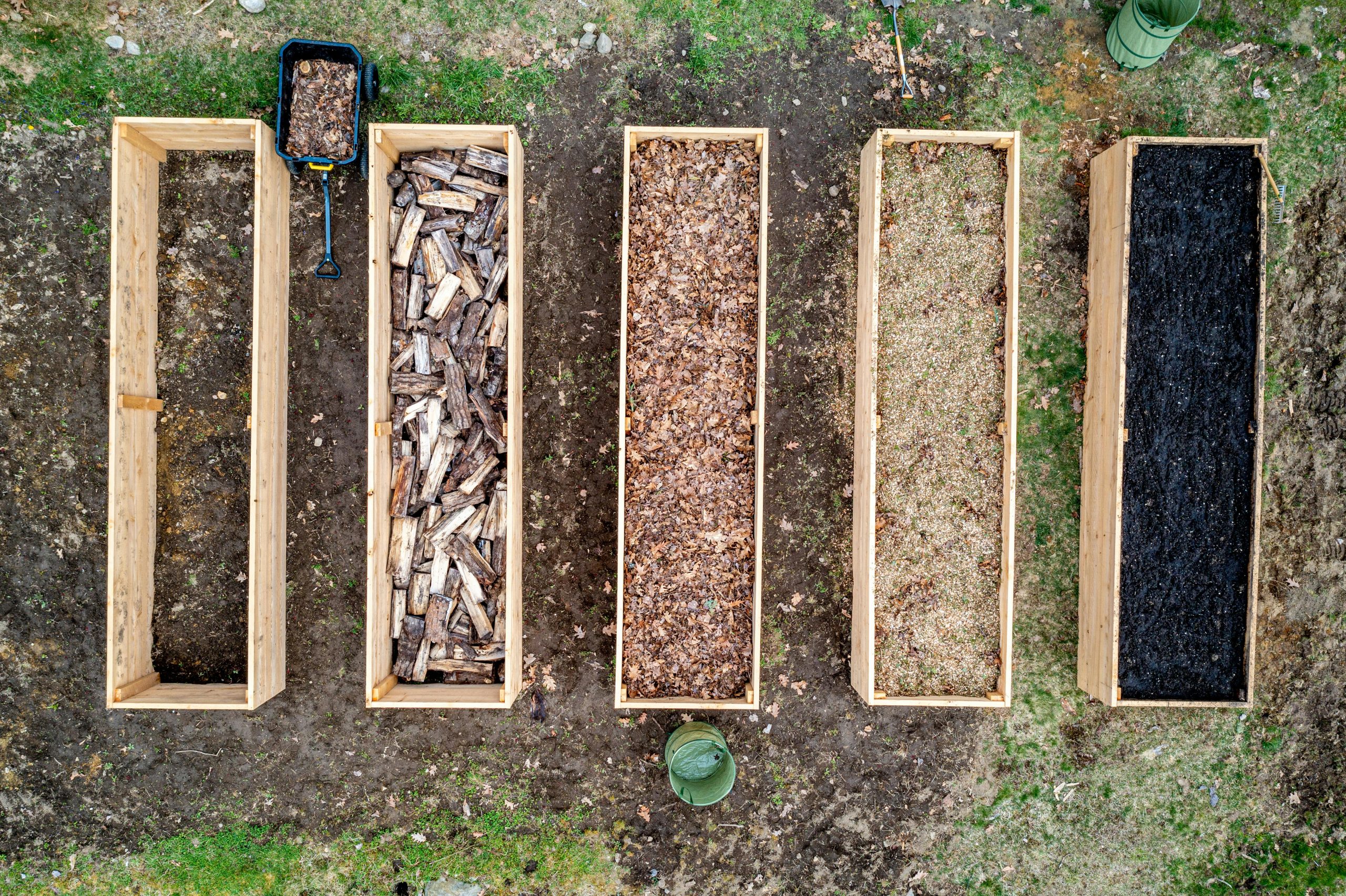
One of the simplest growing hacks is adding mulch soon after plants are established. Mulch helps block sunlight from reaching weed seeds, which slows unwanted growth before it takes over the bed. It also helps the soil hold moisture longer, which can reduce watering pressure during warm periods.
Soil educators often recommend organic mulch such as straw, shredded leaves, or untreated plant material for home gardens. These materials break down gradually and can support soil life over time. They also protect the soil surface from harsh sun, strong rain, and quick drying winds.
In a productive home garden, mulch often becomes a time-saving layer that reduces several jobs at once. Fewer weeds need pulling, the soil stays more even, and splashing dirt is reduced around leaves. This makes garden care more efficient without adding complicated steps.
Credit: Skyler Ewing / Pexels
Support Plants Early Instead of Fixing Them Later
If you want to be clever with how your garden grows, get supports in place for plants while they’re still small. Tomatoes, beans, cucumbers and certain flowers will all thrive with a cage, stake or trellis put up at the beginning of the season. If you delay, you risk harming the roots or having to deal with a mess of knotted stems when the plant is already struggling.
Experts in plant health frequently point out that a good circulation of air around the foliage and stems cuts down on water collecting and staying there. Lifting and training the plants upwards allows sunlight to get to more of it, and it’s generally much easier to find what you’re harvesting. Plus, you’re also less likely to have fruit sitting on the dirt, and that keeps your produce cleaner.
Easy supports are some of the most you-can-depend-on ideas for home gardens, as they’re good for both how well your plants do and for making things easier for you. You’ll have to spend less time separating and untangling stems, and the garden will likely look neater and be simpler to move around in. And a garden that’s easier to be in is a garden you’re more likely to look after each week.
Water the Root Zone Instead of Watering Everything
Many new gardeners waste water by spraying large areas instead of directing moisture where plants actually need it. One of the best growing hacks is to water the root zone rather than soaking paths, weeds, and empty corners. This method helps plants use water more effectively and reduces waste during dry periods.
Water management experts often recommend slow watering near the base of the plant. This encourages roots to grow deeper into the soil rather than staying shallow at the surface. Deep roots usually handle heat and short dry spells better than roots trained to depend on constant surface moisture.
Easy garden tricks like targeted watering also help reduce leaf wetness, which can limit some disease pressure in crowded beds. A watering can, hose with a gentle setting, or simple drip-style setup can all support this method in a home garden.
Group Plants by Similar Needs
Put plants with the same requirements for water, sun and how much room they need together and you’ll have a much easier time. It’s harder to look after everything when you’ve got thirsty plants and those which like things dry all in the same area. Things in the garden just flow more easily when plants with similar needs are located next to one another.
Lots of gardeners say this arrangement also makes it easier to actually see what’s going on. You can compare how well things are growing, look for bugs, and change how much water you’re giving everything, much more easily if your crops are in obvious blocks. For example, you could have all the leafy greens in one raised bed, all the herbs in another, and climbing plants along one edge of the garden – this really simplifies the design.
And this isn’t just sensible, it also means you can understand the garden’s state quickly. With a basic order to things in a garden where you grow your own food, you won’t have to make so many little decisions each week.
Harvest Often to Keep Plants Producing
Some crops respond well to regular picking. Beans, cucumbers, herbs, and leafy greens often continue producing better when mature growth is harvested on time. Letting crops sit too long can slow new production or lead to oversized, lower-quality harvests.
Growers and harvesting educators frequently note that regular picking also improves plant checks. While harvesting, gardeners naturally inspect leaves, stems, and fruit for signs of stress or pests. This turns harvest time into maintenance time without adding another task to the schedule.
Among the most practical easy garden tricks, frequent harvesting is often overlooked. It supports freshness in the kitchen and keeps plants active in the garden. A few minutes every couple of days can improve both yield and quality.
Use Quick Garden Checks to Catch Problems Early
A short daily or near-daily walk through the garden is one of the strongest growing hacks because it prevents small issues from becoming large ones. Gardeners can look for wilted leaves, insect damage, yellowing growth, broken stems, or dry soil patches. Early signs are often easier to manage than full outbreaks or long periods of stress.
Crop care specialists often advise checking the undersides of leaves and the lower stem area. These are common places where problems begin. A quick look while watering or harvesting can reveal trouble before it spreads across the bed.
Backyard garden ideas do not always need new materials or new systems. Sometimes the most effective method is better attention at the right time. Quick checks build familiarity, and familiarity helps growers notice change faster.
Keep a Few Backup Seedlings or Extra Seeds Ready
Not every plant will succeed. Birds pull seedlings, weather shifts suddenly, and some transplants fail after planting. One of the more practical growing hacks is to keep a small number of extra seedlings or backup seeds ready for gap filling. This helps maintain steady bed coverage without a major restart.
Experienced growers often plan for some loss rather than expecting every plant to survive. A small reserve gives flexibility and reduces the frustration of empty spots in the garden. It also supports a longer season when a quick replacement can still catch up in warm weather.
In a productive home garden, resilience matters. Backup plants are a simple insurance step that keeps the garden looking full and functioning well even when early setbacks happen.
Frequently Asked Questions
Q: What are the best growing hacks for beginners?
A: Some of the best growing hacks for beginners include using mulch, supporting plants early, watering the root zone, grouping similar crops, and checking the garden often. These methods save time and help prevent common problems.
Q: Do growing hacks really improve garden harvests?
A: Yes, many growing hacks improve harvests by reducing plant stress, keeping soil more stable, and making regular care easier. Small changes in routine can lead to stronger plants and more reliable results.
Q: Why is mulch considered one of the most useful garden tricks?
A: Mulch helps control weeds, protect soil, and hold moisture. It reduces repeated work through the season and supports healthier growing conditions around plant roots.
Q: How often should gardeners check plants for problems?
A: A quick check most days is often enough in a backyard garden. Short, regular observation helps gardeners catch pests, watering issues, and plant stress before those problems spread.
Key Takeaway
These growing hacks show that a better backyard garden often comes from simple systems rather than extra effort. Mulch, early supports, targeted watering, crop grouping, regular harvesting, and quick checks can make a productive home garden easier to manage. Small backup plans also help the garden recover faster from setbacks. For most growers, useful growing hacks save time while helping plants stay stronger through the season.
[INTERNAL LINKING SUGGESTIONS]
- Garden Tips That Help New Growers Avoid Common Mistakes
- Spring Planting Tips for Backyard Gardens That Help Crops Start Strong
- Soil Tips That Improve Moisture and Root Growth in Home Gardens
Leave a Reply