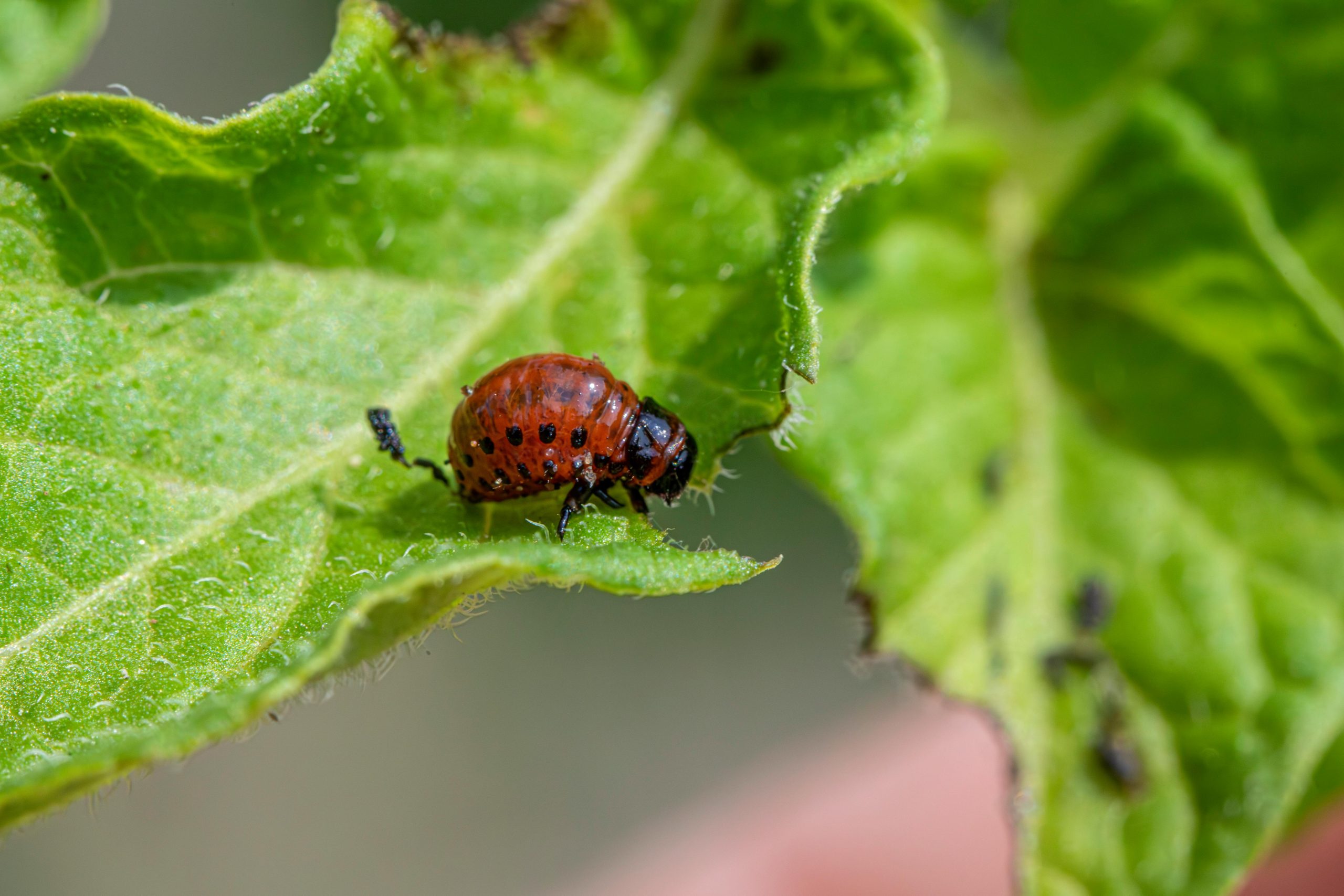
Practical pest control tips can help backyard gardeners protect their crops without creating new issues in the process. It’s natural to react quickly when you notice holes in leaves or insects on stems, but effective garden pest control usually comes down to careful observation and good timing rather than aggressive action. Taking a calm, steady approach often leads to better results and makes pest problems easier to manage throughout the season.
Plant health educators, crop specialists, and experienced growers often emphasize that not every insect poses a real threat. Some damage is temporary, and certain insects actually benefit the garden. These pest control tips focus on common mistakes, useful habits, and simple ways to protect vegetable plants without adding unnecessary stress to the growing environment.
Why Pest Control Tips Matter in a Backyard Garden
Pest problems can escalate quickly if they’re overlooked early or handled incorrectly. A few damaged leaves might not seem like a big concern at first, but many common garden pests multiply rapidly, especially in warm weather and densely planted beds. Once the damage spreads across multiple plants, it becomes much harder—and more time-consuming—to manage.
Researchers and crop care specialists often point out that healthier gardens are better equipped to handle pest pressure. When pests are spotted early and plant stress is minimized, crops tend to recover more easily. Strong soil, proper spacing, and consistent watering all play a role in helping plants tolerate minor damage. That’s why pest control tips work best when they’re part of an overall care routine, rather than a last-minute fix.
Effective garden pest control also means avoiding overreaction. Treating every insect as a serious threat can lead to unnecessary effort and added stress for the plants. A more balanced approach usually protects crops more effectively over time.
Myth 1: Every Insect in the Garden Is Harmful
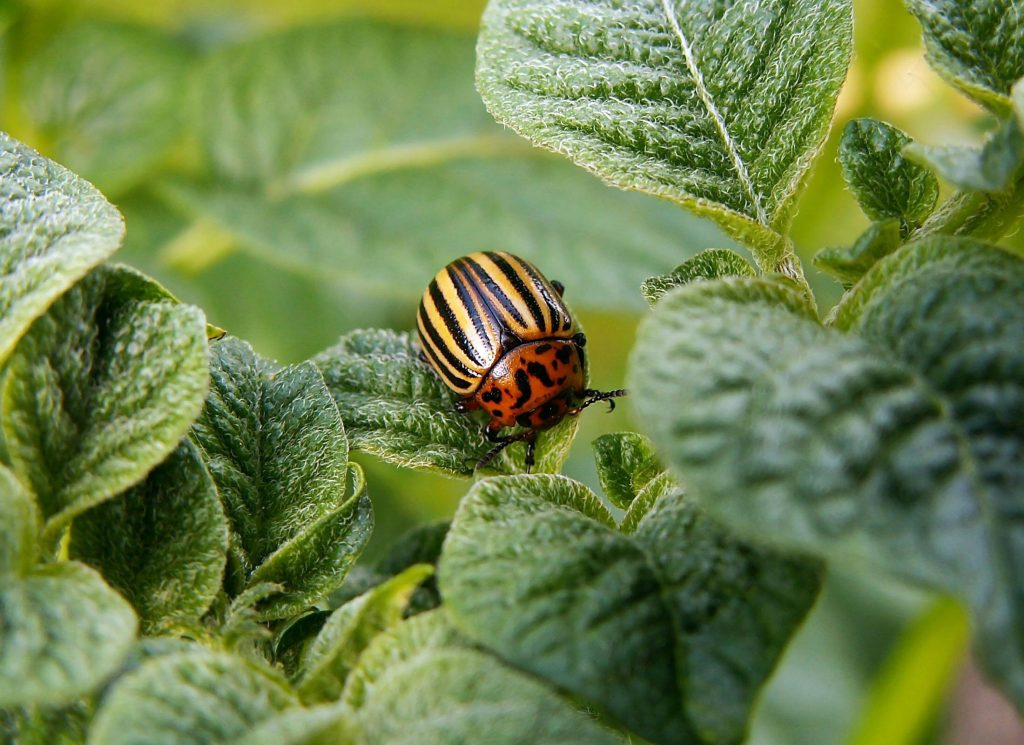
One of the most common misconceptions in home gardening is the idea that every insect needs to be removed. In reality, many insects play a helpful role—some assist with pollination, while others prey on pests that harm crops. Eliminating all insect life can disrupt this natural balance and reduce the garden’s built-in support system.
Garden educators often advise taking a closer look before acting. The presence of a few insects doesn’t always signal a larger problem. By observing the type of insect, the extent of the damage, and how widely it has spread, gardeners can make more informed decisions.
This is one of the most valuable pest control tips because it helps avoid unnecessary treatments. Understanding the difference between harmful infestations and normal garden activity allows gardeners to protect vegetable plants more effectively and with less disruption.
Credit: Pixabay / pexels
Myth 2: Leaf Damage Always Means the Crop Is Lost
Leaf damage can be alarming, especially for newer gardeners, but it doesn’t always mean a crop is in trouble. Many plants continue to grow and produce well even after light chewing or minor spotting. What matters most is whether the damage is spreading, if new growth is being affected, and whether the plant still appears healthy overall.
Plant specialists often point out that established plants can handle some damage better than young seedlings. A few holes in older leaves are usually not a major concern, while damage to fresh, tender growth may need quicker attention. This is why it’s important to look beyond appearance and focus on how the plant is actually responding.
Garden pest control tends to work best when gardeners watch for patterns instead of reacting to a single damaged leaf. Taking a measured approach can save time and avoid unnecessary disruption to otherwise healthy plants.
Check Plants Often Instead of Waiting for Visible Spread
One of the most effective pest control tips is simply checking plants regularly. A quick look every day or two can reveal eggs, clusters of insects, curled leaves, or early signs of damage before the issue spreads. Catching problems early usually gives more options and reduces the need for stronger intervention later.
Crop educators often suggest inspecting under leaves, along stems, and near the base of plants—areas where common garden pests tend to hide. Building this habit into routine tasks like watering or harvesting makes it easier to stay consistent.
When it comes to protecting vegetable plants, timing plays a big role. Small issues caught early can often be managed with simple steps like hand removal, trimming damaged leaves, or improving spacing. Larger infestations, on the other hand, require more effort and can quickly affect multiple plants.
Use Garden Conditions to Reduce Pest Pressure
Strong garden conditions can help prevent pest problems before direct action is needed. Overcrowding, poor airflow, uneven watering, and leftover plant debris all create an environment where pests can spread more easily. One of the most valuable pest control tips is to address these factors through consistent garden care.
Soil and crop specialists often note that stressed plants are more vulnerable and slower to recover. Proper spacing improves air circulation and light exposure, while mulch helps maintain steady moisture levels. Clearing away debris and removing heavily damaged growth can also limit places where pests hide and reproduce.
Effective garden pest control doesn’t start with treatment—it starts with prevention. A well-maintained, balanced garden that’s checked regularly gives pests fewer opportunities to take hold and cause widespread damage.
Credit: Boys in Bristol Photography / pexels
Start With the Least Disruptive Response
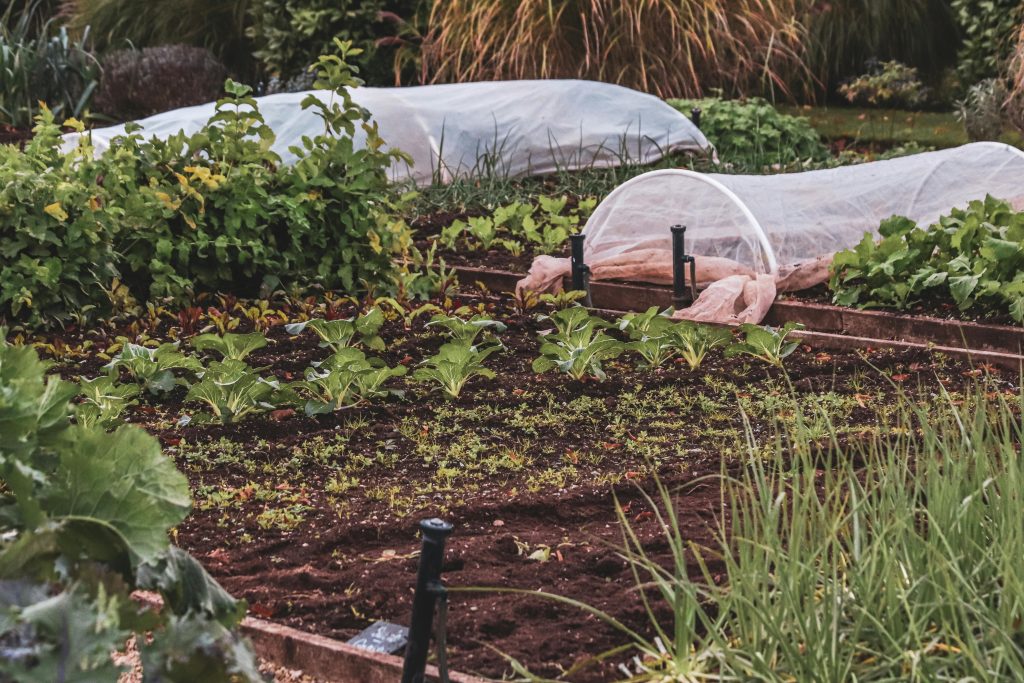
When action becomes necessary, it’s usually best to begin with the least disruptive option. Simple steps like removing pests by hand, trimming damaged leaves, rinsing plants with water, or using protective covers can be effective in early stages. Starting small allows gardeners to address the issue without adding unnecessary stress to the growing area.
Growers and extension-style educators often suggest matching the response to the severity of the problem. Minor issues may only need monitoring and small adjustments rather than broad treatments. This approach keeps the focus on the actual level of pest pressure instead of creating additional complications.
These pest control tips encourage a practical mindset. Protect vegetable plants by using the smallest effective solution first, then observe closely to see whether the situation improves or worsens.
Avoid Repeating the Same Mistake Each Season
Some pest problems tend to come back because the same conditions return each year. Planting the same crop in the same spot, overcrowding plants, or missing regular inspections can all lead to repeated issues in the same beds. One of the most useful pest control tips is to recognize these patterns and make gradual adjustments.
Garden planners often recommend keeping simple notes on where damage appeared, when it started, and which crops were most affected. Over time, this helps identify common garden pests and the conditions that allowed them to thrive. With that insight, prevention becomes more targeted and effective.
Garden pest control improves when it becomes part of an ongoing learning process. A small note today can prevent weeks of trouble later in the season—or in the next one.
Support Strong Plants So They Recover Faster
No pest control method is as effective if plants are already weakened by other stresses. Crops growing in poor soil, dry conditions, or crowded spaces tend to struggle more when pests appear. Healthier plants, on the other hand, recover faster and can handle minor damage with less impact.
Plant health specialists often recommend looking at the bigger picture—spacing, soil quality, watering, and sunlight all play a role. Pest control tips are most effective when combined with consistent, well-rounded care. Strong plants are better equipped to keep growing while issues are being addressed.
To protect vegetable plants throughout the season, it helps to think beyond the pest itself. Good growing conditions and early observation often contribute just as much as any direct treatment.
Frequently Asked Questions
Q: What are the best pest control tips for backyard gardens?
A: Some of the best pest control tips include checking plants often, identifying the problem before acting, improving garden conditions, and starting with the least disruptive response. These habits help protect crops without creating added stress.
Q: Do all insects need to be removed from a garden?
A: No, not every insect is harmful. Some insects support pollination or help control other pests, which is why observation and identification matter before taking action.
Q: How can gardeners protect vegetable plants from common garden pests?
A: Gardeners can protect vegetable plants by checking leaves regularly, maintaining proper spacing, keeping beds clean, and responding early when damage first appears. Healthy plants are often better able to handle light pest pressure.
Q: Why is early inspection important for garden pest control?
A: Early inspection helps gardeners notice eggs, insects, or fresh damage before the problem spreads. Small issues are usually easier to manage than larger outbreaks.
Key Takeaway
[INTERNAL LINKING SUGGESTIONS]
- Soil Tips That Help Backyard Gardens Grow Stronger Through the Season
- Water Saving Tips That Help Backyard Gardens Stay Healthier in Warm Weather
- Growing Hacks That Help Backyard Gardens Produce More With Less Work
Leave a Reply