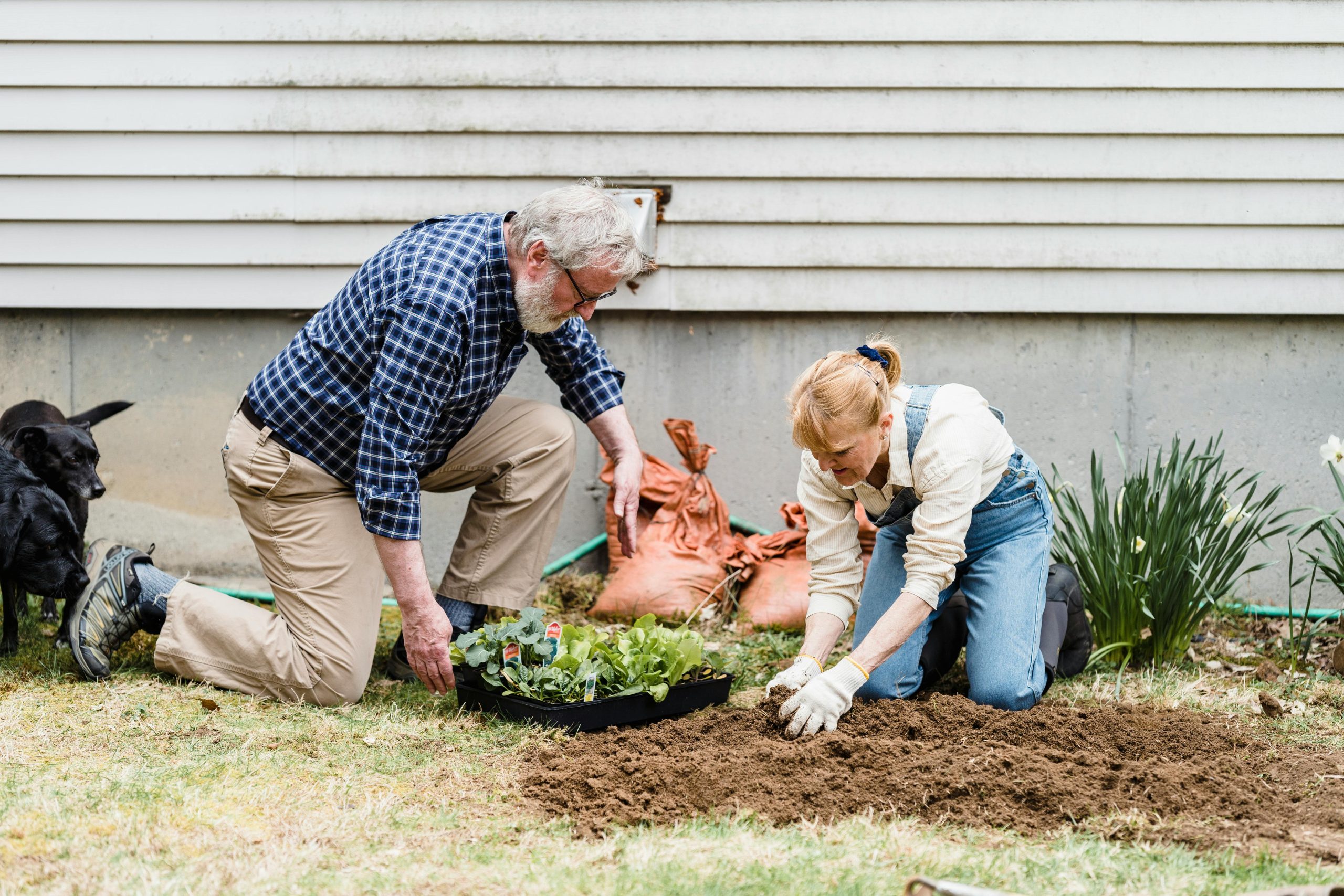
Good soil tips can transform how a backyard garden performs, starting from the ground up. While many gardeners focus on seeds, transplants, or watering tools first, healthy growth almost always begins with the soil. When soil drains properly, holds just enough moisture, and allows roots to grow freely, plants tend to be much easier to care for throughout the season.
Soil educators, crop specialists, and experienced growers often point out that strong gardens aren’t built overnight. Healthy garden soil develops gradually through consistent care, regular additions of organic matter, and simple practices that protect its structure. These soil tips are designed to improve growing conditions in practical, manageable ways—without overcomplicating the process.
Why Soil Tips Matter in Every Backyard Garden
Soil does far more than simply anchor plants in place. It stores water, supports root systems, delivers nutrients, and plays a key role in how plants handle heat and rainfall. When soil is weak, compacted, or lacking organic matter, even the best watering routine or planting plan may fall short. That’s why soil tips are essential in nearly every type of garden.
Research into home food production consistently highlights soil quality as one of the biggest factors influencing plant performance. Crops grown in healthier soil often show steadier growth, richer color, and stronger roots. They also recover more quickly from short periods of stress.
Improving soil isn’t about making it perfect. It’s about making steady, incremental changes that create better growing conditions over time. For many gardeners, this approach is one of the most valuable long-term investments they can make.
Use Compost to Improve Garden Soil Gradually
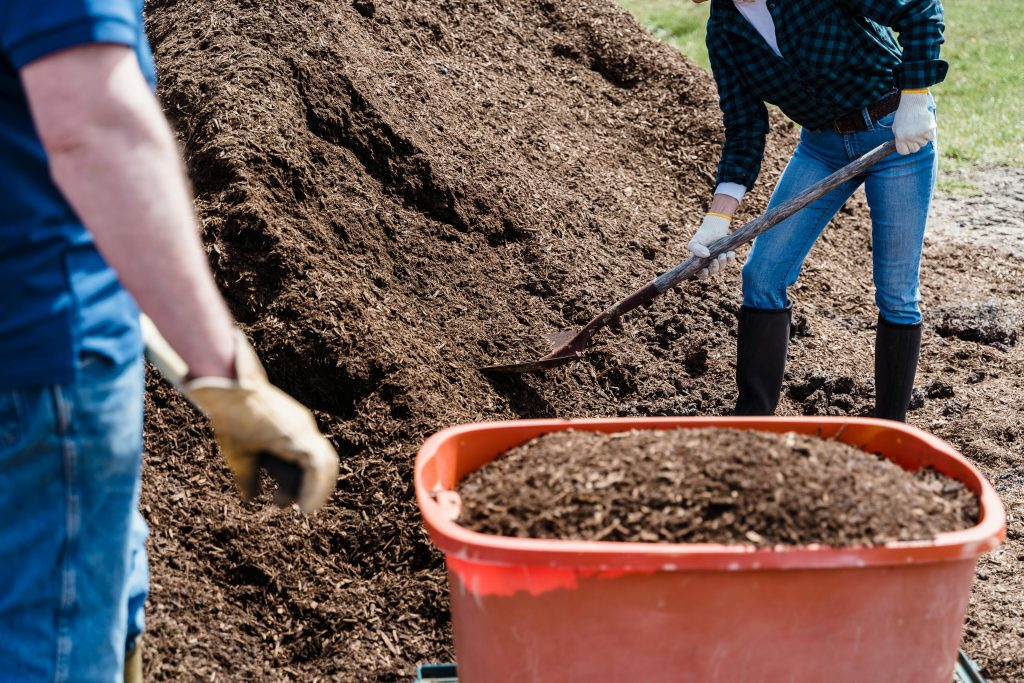
One of the most dependable soil tips is to add compost regularly. Compost helps build healthy garden soil by improving texture, balancing moisture, and feeding the living ecosystem beneath the surface. It can loosen heavy soil while helping sandy soil retain water more effectively.
Soil specialists often recommend compost because it works gradually, supporting lasting improvement instead of quick fixes. Whether applied before planting or spread around established beds, compost can enhance growing conditions throughout the season. With repeated use, soil typically becomes easier to work with, easier to water, and more welcoming for roots.
Gardeners don’t need to use large amounts to see results. Even a moderate layer applied consistently can improve garden soil over time. This makes compost one of the simplest and most practical tools for long-term soil care.
Credit: Greta Hoffman / pexels
Protect Healthy Garden Soil With Mulch
Mulch is often seen as a simple way to control weeds, but it’s also one of the most effective soil tips for protecting the soil itself. A layer of mulch shields the surface from direct sunlight, slows down evaporation, and reduces the impact of heavy rain. As a result, the soil stays more consistent between watering and changing weather conditions.
Soil care educators frequently point out that bare soil tends to dry out quickly, form a crust, and lose its structure more easily. Mulch helps prevent these issues by keeping conditions more stable. When organic mulch breaks down over time, it also returns material to the soil, supporting healthy garden soil in a natural, low-effort way.
For vegetable gardens, mulch can be especially helpful during warmer months. It keeps the root zone cooler and often cuts down on the need for frequent, shallow watering. In that sense, mulch not only protects the soil but also saves time and effort.
Avoid Working Soil When It Is Too Wet
One of the most commonly overlooked soil tips is understanding when to leave the soil alone. Wet soil compacts easily under pressure from tools or foot traffic. When this happens, air pockets collapse, making it harder for roots to grow and spread. The surface can also become dense and difficult to work with later on.
Soil educators often recommend checking the soil before digging or planting. If it feels sticky, muddy, and holds together firmly, it’s likely too wet. Waiting until conditions improve can help preserve soil structure and prevent long-term issues.
This is especially important for soil for vegetables, as many crops rely on loose, well-aerated ground for healthy root development. Delaying planting slightly is often a better choice than damaging the soil early in the season.
Feed the Soil Instead of Only Feeding the Plant
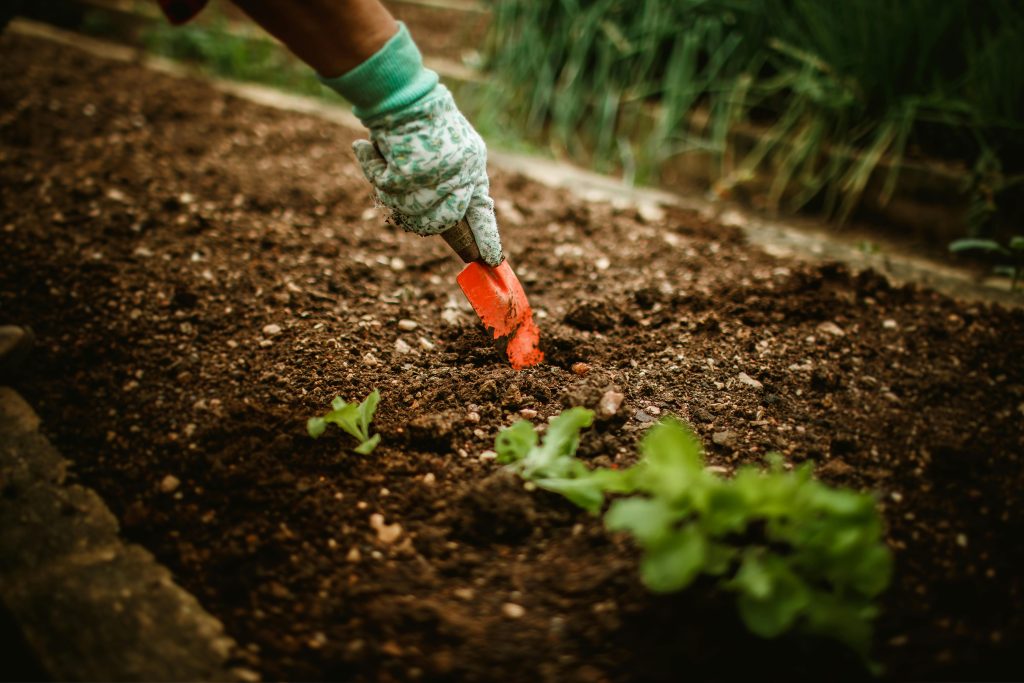
Many gardeners focus on what they can add to boost plant growth directly, but some of the most effective soil tips are about supporting the soil as a whole. Adding organic matter, using compost and mulch, and maintaining consistent care all help build a stronger foundation where roots and soil life can thrive together.
Crop and soil specialists often explain that living soil improves how nutrients cycle and how moisture is retained. This doesn’t require complicated techniques. In most backyard gardens, simple, consistent habits tend to be more effective than relying on too many inputs at once.
Healthy garden soil responds well to patience. Over time, feeding the soil can improve its texture, support steady plant growth, and reduce sudden fluctuations in performance. The result is a garden that’s easier to manage and more predictable overall.
Credit: Helena Lopes / pexels
Check Drainage Problems Before They Hurt Plant Growth
Poor drainage can slow plant growth, even when everything above the soil looks fine. When water lingers around the roots, it reduces oxygen levels and creates stress that often shows up as weak growth, yellowing leaves, or slow recovery after rain. That’s why good soil tips include paying close attention to how quickly garden beds drain after watering or storms.
Garden planners and soil specialists often recommend identifying areas that stay wet longer than others. These spots may benefit from added organic matter, raised beds, or choosing crops better suited to those conditions. Not every section of a backyard needs to be treated the same or planted with the same crops.
Improving drainage usually takes time, but even small adjustments can make a difference. Once gardeners understand where water tends to collect, they can make smarter decisions about bed placement and soil care. Over time, this leads to stronger soil for vegetables and fewer recurring problems.
Keep Foot Traffic Off Growing Beds
Regularly walking on planting beds can gradually compact the soil, especially after watering or rainfall. One of the most practical soil tips is to create designated paths and stick to them. This helps protect root zones and keeps the growing area loose and workable.
Many gardening educators suggest designing narrow beds that can be reached from both sides without stepping into them. This setup makes it easier to plant, weed, and harvest while also preserving soil structure. It’s a simple adjustment that improves both access and soil health.
Keeping foot traffic confined to paths is an easy, no-cost way to improve garden soil. It protects the effort already invested and allows future soil care practices to be more effective.
Notice What the Soil Is Telling You Through the Season
Soil conditions shift over time, and each season offers useful clues. Quick drying, standing water, surface crusting, weak seedlings, or uneven growth can all signal underlying soil issues. One of the most valuable soil tips is to look for patterns instead of treating each problem in isolation.
Extension-style garden educators often encourage keeping simple notes on drainage, soil texture, crop performance, and how mulch breaks down. These observations make it easier to adjust compost use, watering habits, and bed design in the future. Even a few notes can help prevent repeated mistakes.
Improving garden soil is best approached over seasons, not days. Gradual, consistent changes tend to deliver more lasting results than quick fixes. With careful observation, basic soil tips can evolve into reliable, long-term gardening habits.
Frequently Asked Questions
Q: What are the most important soil tips for beginners?
A: Some of the most important soil tips include using compost, protecting the soil with mulch, avoiding work in wet beds, and keeping foot traffic off planting areas. These simple steps help support healthier roots and steadier plant growth.
Q: How can gardeners improve garden soil naturally?
A: Gardeners often improve garden soil naturally by adding compost, using mulch, and building soil care habits over time. Gradual improvement usually works better than trying to force quick changes.
Q: Why is healthy garden soil so important for vegetables?
A: Healthy garden soil supports root growth, water balance, and nutrient movement. Strong soil conditions make vegetables easier to establish and often help them handle weather stress better.
Q: Can mulch really help soil quality?
A: Yes, mulch can help protect soil from drying, reduce crusting, and support more even moisture. Organic mulch can also add material back into the bed as it breaks down.
Key Takeaway
[INTERNAL LINKING SUGGESTIONS]
- Growing Hacks That Help Backyard Gardens Produce More With Less Work
- Spring Planting Tips for Backyard Gardens That Help Crops Start Strong
- Garden Tips That Help New Growers Avoid Common Mistakes
Leave a Reply