
Useful soil tips can help backyard beds stay moist enough for steady plant growth without becoming so heavy that roots struggle to breathe. Many gardeners focus on adding water, but strong beds depend just as much on how the soil holds and releases that moisture over time. A balanced bed often supports healthier roots, steadier growth, and easier garden care through changing weather.
Soil educators, crop specialists, and experienced home growers often explain that good soil is not simply wet or dry. It needs structure that lets water move in, stay available, and leave excess space for air around roots. These soil tips focus on how to improve garden soil, support better moisture balance in soil, and keep healthy garden beds more productive across the season.
Why Soil Tips Matter for Moisture Balance
Plants do not only need water. They also need oxygen around their roots and soil that stays stable between watering or rainfall. When a bed dries too fast, roots may struggle to keep up. When a bed stays too wet, roots may weaken for a different reason. This is why moisture balance matters so much in everyday garden performance.
Researchers who study soil systems often note that balanced soil helps roots spread more evenly and supports better nutrient movement. A bed that holds water wisely without staying dense often produces steadier growth than one that swings sharply between dry and soggy conditions. These changes may not always be visible from above at first, but they often shape the whole season.
Healthy garden beds usually work best when the soil gives roots both support and breathing room. That balance often comes from simple repeated care rather than one quick fix.
Use Compost to Improve Garden Soil Without Making It Dense
One of the strongest soil tips is using compost as a steady way to improve garden soil. Compost helps support structure that can hold moisture more evenly while still allowing movement of air and roots. In many backyard beds, this is one of the most practical ways to improve balance over time.
Soil educators often explain that compost supports both heavier and lighter soils in useful ways. It may help sandy ground hold moisture longer, while also helping dense soil become more open and workable. Instead of pushing the soil toward one extreme, compost often helps the bed settle into a more stable middle condition.
Healthy garden beds usually respond well to moderate, repeated compost additions rather than one heavy layer followed by long gaps in care. This gradual support often creates stronger long-term results.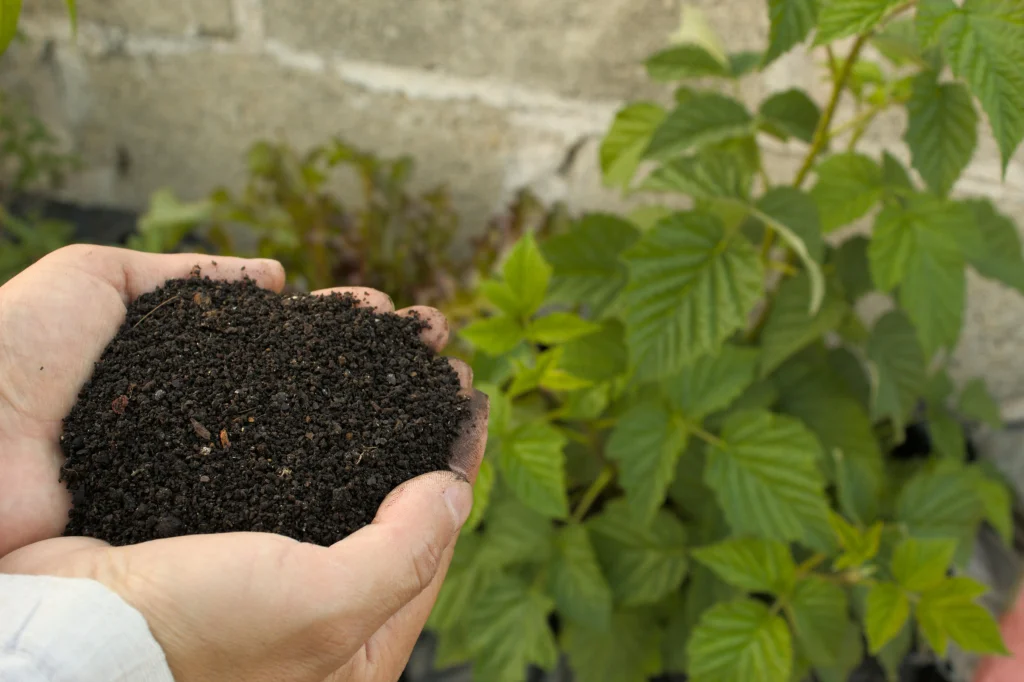 Credit: Juan J. Morales-Trejo / Pexels
Keep the Soil Surface Covered With Mulch
Another of the most useful soil tips is protecting the surface with mulch. Bare soil often loses moisture faster and may also crust over after strong sun or rain. A mulch layer helps reduce evaporation while protecting the top layer from sudden changes in weather.
Soil and moisture specialists often recommend organic mulch such as straw, shredded leaves, or similar untreated material. This cover helps the bed stay more even between waterings and may slowly add organic matter back into the soil as it breaks down. Mulch also helps reduce weed pressure, which means less competition for available moisture.
Moisture balance in soil usually becomes easier to manage when the top layer is protected. Mulch is one of the simplest ways to support that balance without making the bed feel closed or overly heavy.
Avoid Overworking Soil That Is Already Wet
One of the more overlooked soil tips is knowing when to wait. Wet soil can compact quickly when dug, stepped on, or turned too aggressively. That compaction may reduce the open spaces roots need and make the bed feel heavier after future rain or watering.
Garden educators often recommend checking soil texture by hand before working the bed. If it sticks together in a wet, dense mass, it may need more time. If it crumbles more easily and feels workable, the bed is usually in a better condition for planting or light soil care.
To improve garden soil, it helps to protect the structure that already exists. Timing matters because damage done in wet conditions may take much longer to correct later in the season.
Water More Deeply and Less Randomly
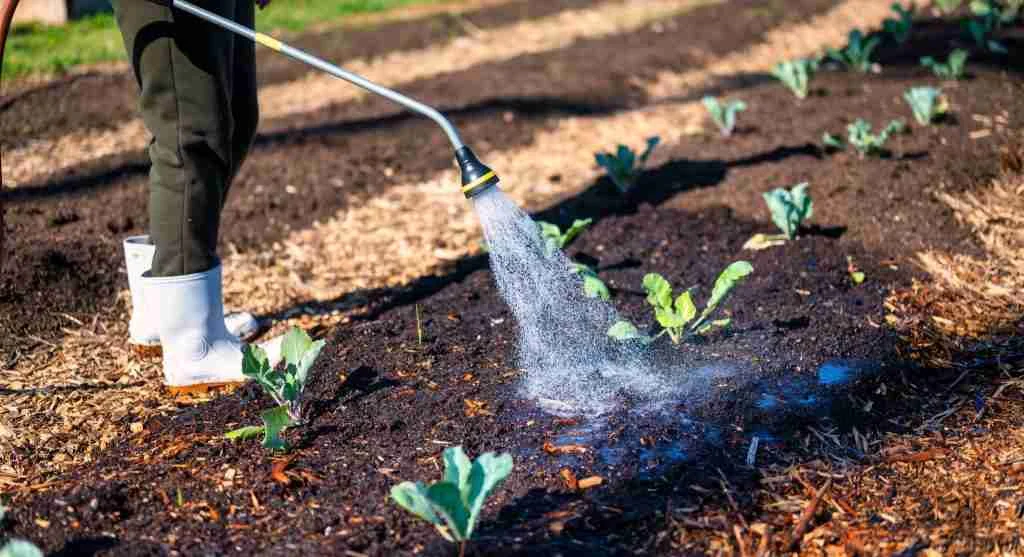
Soil tips are not only about what gets added to the bed. They also include how the bed is watered. Random shallow watering may leave the surface wet for a short time while deeper roots stay unsupported. It may also encourage the upper layer to dry and tighten again soon after the watering ends.
Water educators often explain that slower watering near the root zone helps moisture move down into the soil where it lasts longer. This supports deeper root activity and helps the bed avoid sharp shifts between surface wetness and deeper dryness. It also reduces waste because more of the water reaches the zone where the crop can use it best.
Moisture balance in soil often improves when the watering pattern matches the structure gardeners are trying to build. Better watering helps the soil behave more steadily over time.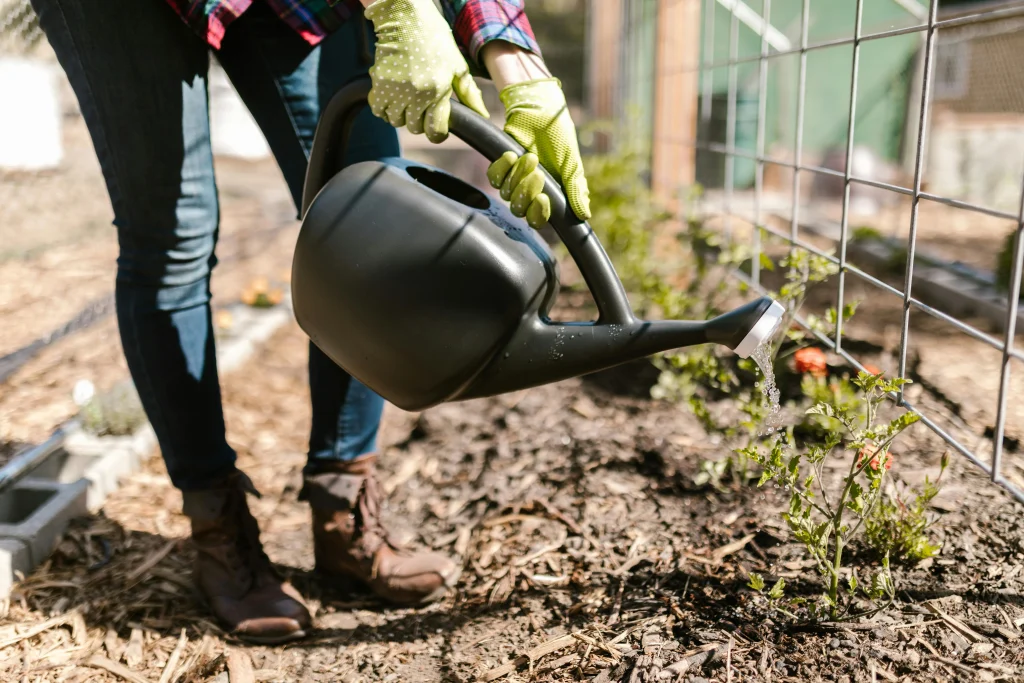 Credit: RDNE Stock project / Pexels
Notice Which Parts of the Bed Stay Wet or Dry First
Not every section of a garden bed behaves in the same way. One side may dry faster because of sun or wind, while another may stay heavier after rain. One of the smartest soil tips is noticing where those patterns appear so they can be corrected more accurately.
Soil specialists often suggest simple notes about where water sits, where plants lag, or where the surface crusts more quickly. These observations help gardeners decide where compost is needed most, where mulch should be deeper, or where crop placement may need to change. Better observation often leads to better soil decisions.
Healthy garden beds usually become stronger when growers stop treating every section as identical. Small pattern-based changes often improve the whole bed faster than broad guesses.
Protect Beds From Unnecessary Foot Traffic
One of the simplest soil tips for keeping good moisture balance is staying out of the growing area whenever possible. Repeated foot traffic presses soil together and often reduces the space water and air need to move well through the bed. Over time, this may make the soil feel heavier and less responsive after rain or watering.
Garden planners often recommend clear paths and bed widths that allow easy reach from the sides. These small layout choices help protect structure and reduce repeated compaction. They also make the garden easier to weed, water, and harvest without stepping where roots are trying to develop.
To improve garden soil, it helps to protect the progress already made. Avoiding unnecessary pressure is often one of the easiest long-term habits to build.
Build Soil Balance Over Time, Not All at Once
One of the most important soil tips is patience. Many gardeners want the bed to feel perfect immediately, but strong soil balance usually develops through repeated care across many weeks and seasons. Compost, mulch, careful watering, and protected paths all work together gradually rather than instantly.
Garden educators often explain that this steady process creates more reliable results because the soil has time to respond without being forced into extremes. Beds become easier to work, easier to water, and easier for roots to move through. That kind of improvement often lasts longer than quick heavy changes made all at once.
Moisture balance in soil is often built by consistency. Small smart steps repeated often usually create the healthiest and most dependable garden beds.
Frequently Asked Questions
Q: What are the best soil tips for better moisture balance?
A: Some of the best soil tips include adding compost regularly, keeping beds mulched, avoiding work in wet soil, watering more deeply, and protecting beds from compaction. These habits help soil hold moisture without staying too dense.
Q: How can gardeners improve garden soil so it holds water better?
A: Gardeners often improve garden soil by adding organic matter such as compost, reducing surface moisture loss with mulch, and using watering habits that support deeper moisture instead of only wetting the top layer.
Q: Why do healthy garden beds still sometimes feel too wet?
A: Healthy garden beds may still feel too wet if the soil is compacted, if drainage varies across the bed, or if the surface is being worked while it is too wet. Observation and gentle correction usually help more than overreacting.
Q: Is moisture balance in soil more important than just watering more?
A: Yes, moisture balance in soil is often more important than simply watering more. Plants usually grow better when water stays available in a balanced way rather than swinging between dry and saturated conditions.
Key Takeaway
These soil tips show that better beds often come from balance rather than extremes. Compost, mulch, careful timing, deeper watering, and protected paths all help improve garden soil and support healthier moisture balance in soil. Watching how different sections of the bed respond also makes future corrections more accurate. For many gardeners, the best soil tips are the ones that help healthy garden beds stay moist enough for roots without feeling heavy or airless.
[INTERNAL LINKING SUGGESTIONS]
- Soil Tips That Help Backyard Beds Stay Looser and Easier to Grow In
- Water Saving Tips That Help Backyard Beds Stay Productive During Dry Weeks
- Growing Hacks That Help Backyard Gardens Stay More Productive in Hot Weather