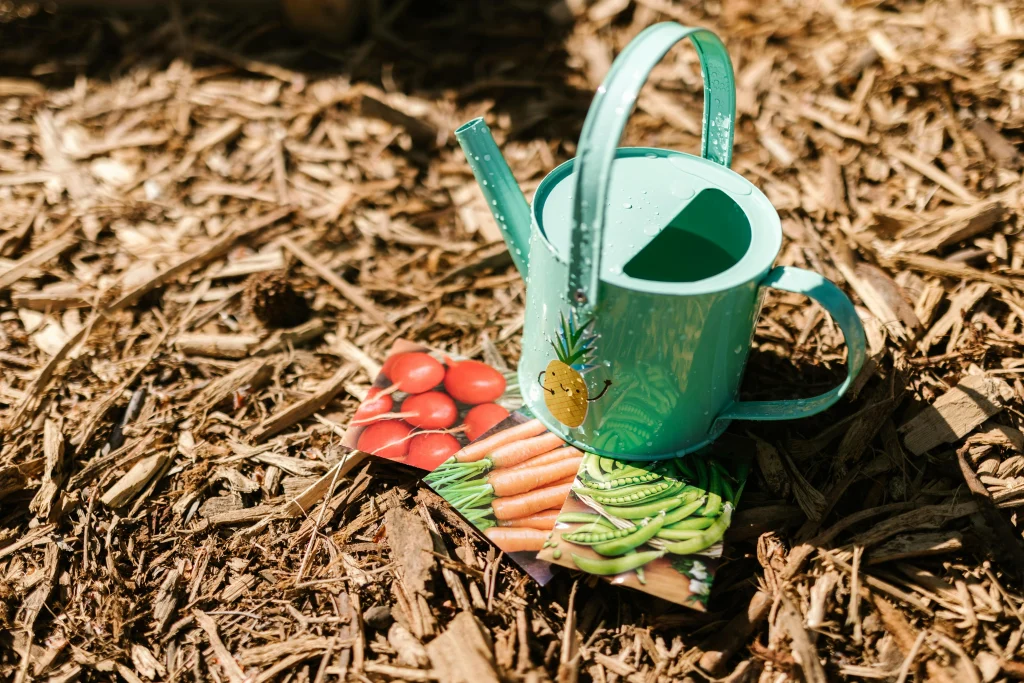

Useful water saving tips can help a backyard garden stay healthier and more productive when temperatures begin to rise. Many beds lose moisture quietly at first, then suddenly seem dry, stressed, and harder to manage once the heat becomes more consistent. A few smart habits can help gardeners keep moisture available longer and avoid extra watering that does not actually solve the problem.
Water educators, soil specialists, and experienced home growers often explain that saving water in garden spaces is not only about using less water. It is also about using it at the right time, in the right place, and in a way that supports roots rather than only the soil surface. These water saving tips focus on steady backyard watering routines that help beds stay balanced as the season gets warmer.
Why Water Saving Tips Matter When Temperatures Begin to Climb
Rising temperatures change how quickly a garden loses moisture. Sun warms the soil surface faster, leaves release more water into the air, and winds may dry the bed more quickly than they did earlier in the season. If the garden routine stays the same while conditions shift, crops may begin to struggle even before the gardener notices obvious stress.
Researchers who study small-scale growing systems often note that moisture balance becomes more important as heat increases. Plants usually do better when water is kept steady around the root zone rather than added in rushed bursts after visible wilting begins. This is why water saving tips matter so much during warm-up periods. Early adjustments often prevent later problems.
A stronger backyard watering routine usually supports both healthier plants and less wasted effort. When the bed holds moisture more effectively, gardeners spend less time correcting stress later in the week.
Water Early So the Bed Starts the Day Stronger
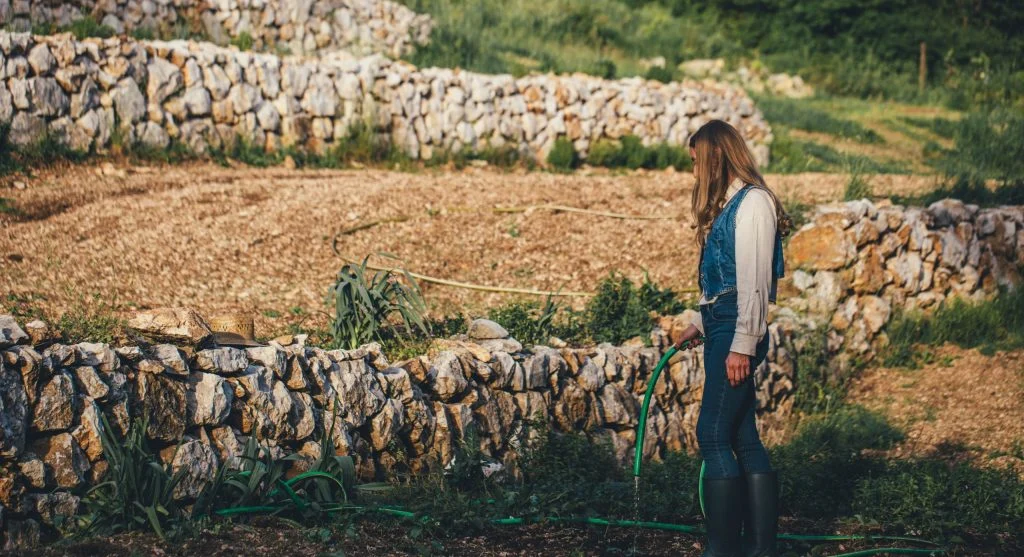
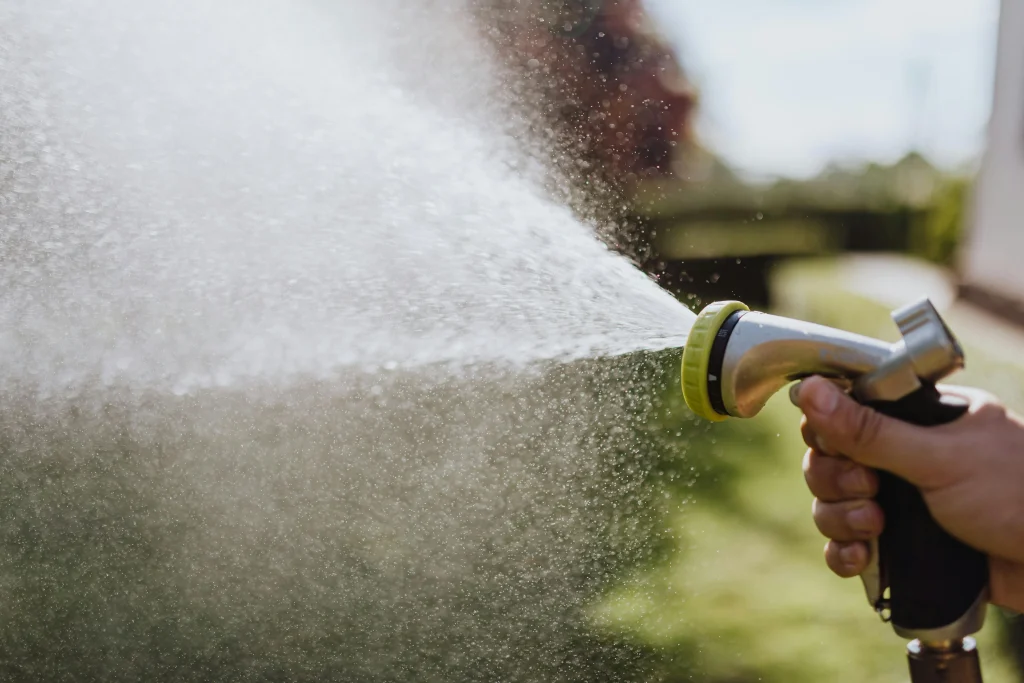
One of the strongest water saving tips is watering early in the day before heat builds. Morning watering often allows more moisture to move into the root zone before the strongest sun and wind increase evaporation. This gives crops a better supply of water during the hours when they will need it most.
Water educators often recommend early watering because it works with the day’s natural pattern instead of against it. A bed watered late in strong heat may lose part of that moisture quickly from the upper layer, while a bed watered in the morning often holds more of it where roots can still use it effectively.
To save water in garden beds, timing matters almost as much as amount. A small shift in schedule can make a noticeable difference once temperatures start rising week by week.
Credit: www.kaboompics.com / Pexels
Use Mulch to Slow Moisture Loss From the Surface
Another of the most practical water saving tips is keeping the soil covered with mulch before heat stress grows stronger. Bare soil often loses moisture quickly, especially when sunlight becomes more direct and temperatures remain high for longer parts of the day. Mulch helps protect the surface and reduce that rapid loss.
Soil and moisture specialists often suggest organic mulch such as straw, shredded leaves, or similar untreated material around vegetables. This layer helps reduce evaporation, keeps the root zone more stable, and often lowers weed pressure at the same time. Fewer weeds mean less competition for the moisture already in the bed.
To save water in garden beds, gardeners usually need to help the soil keep what it already has. Mulch is one of the simplest and most effective ways to do that as the season grows warmer.
Water the Root Zone Instead of the Whole Bed
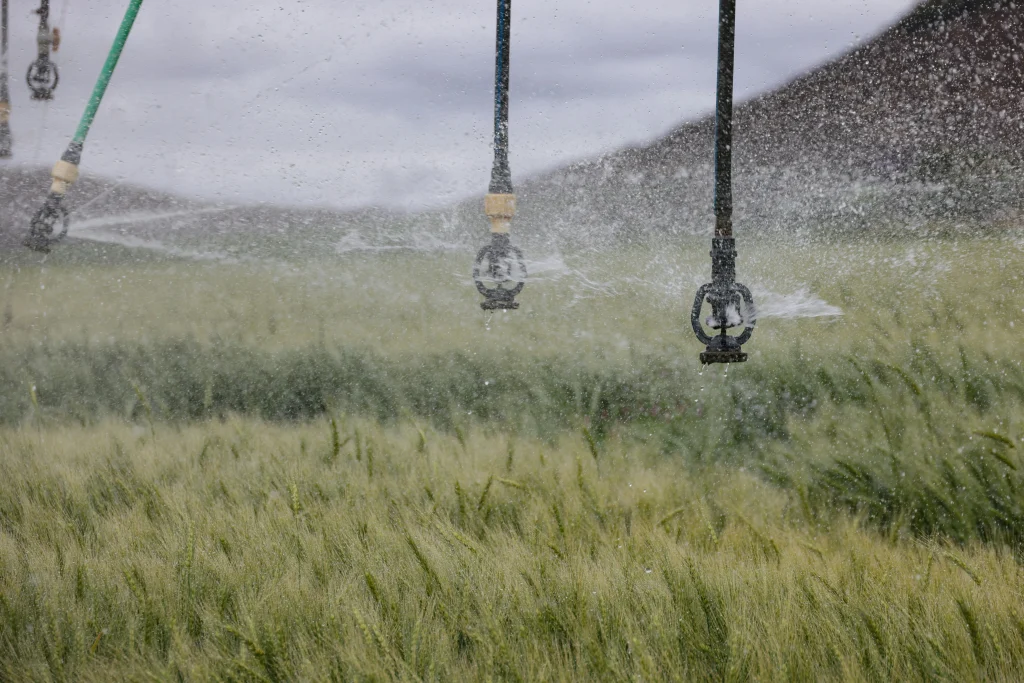
One of the smartest water saving tips is placing water where the plant actually needs it most. Spraying wide areas may wet the whole surface, but much of that water can be lost from open soil, pathways, or low-value spaces before roots benefit from it. Root-zone watering is often more efficient.
Water specialists often explain that slower watering near the base of the crop helps moisture move into the part of the bed that matters most. This supports deeper rooting and may reduce how quickly plants show stress during warm afternoons. It also makes the backyard watering routine more targeted and less wasteful.
Rising temperature garden care becomes easier when the water goes into useful soil instead of only making the surface look wet for a short time.
Check Soil Moisture Below the Surface Before Watering Again
One of the more overlooked water saving tips is checking the soil below the top layer before deciding the bed needs more water. In warm weather, the upper surface may dry quickly while the root zone still holds enough moisture underneath. Watering again too soon may waste time and reduce soil balance instead of improving it.
Water educators often recommend checking with a finger or small hand tool near the root zone. If deeper soil still feels cool and moist, it may be better to wait rather than adding more water too quickly. If the bed is dry below the surface as well, then a steady deeper watering is more useful.
This habit helps save water in garden spaces because it replaces guesswork with actual observation. It also helps gardeners understand how the bed changes as temperatures continue to rise.
Group Crops by Water Demand Where Possible
One of the stronger water saving tips for busy gardens is grouping crops with similar moisture needs. If thirsty greens and lower-demand crops are mixed together, watering decisions become less clear and less efficient. Better grouping often helps the grower respond more accurately to what each section of the bed really needs.
Garden planners often suggest keeping moisture-sensitive crops together while separating sturdier or more drought-tolerant plants where possible. This makes the backyard watering routine easier to manage and reduces the chance that one part of the bed gets too much water while another still dries out too quickly.
To save water in garden beds, layout matters. The bed becomes easier to read when crops with similar needs are placed where they can be managed as a group.
Credit: Magda Ehlers / Pexels
Improve Soil Structure So Water Lasts Longer
Water saving tips usually work better when the soil itself can hold moisture in a balanced way. A bed low in organic matter may dry out quickly, while a compacted bed may not absorb water evenly at all. Compost and steady soil care can help improve these conditions over time.
Soil specialists often note that stronger soil structure helps moisture move into the bed more evenly and stay available to roots for longer. That means gardeners may not need to water as often, even when the weather grows warmer. Better soil often turns each watering session into longer-lasting support instead of short surface relief.
Rising temperature garden care becomes more manageable when the bed itself is better prepared to hold moisture without staying soggy or uneven.
Reduce Extra Stress During Hotter Weeks
One of the more practical water saving tips is lowering extra pressure on plants when temperatures are rising. Heavy pruning, unnecessary digging, or repeated foot traffic through root zones can make moisture stress harder for crops to handle. When plants are already working harder in the heat, small extra disturbances may matter more than usual.
Crop care educators often explain that steady conditions help crops use water more efficiently. A calmer bed with fewer disruptions often recovers better from warm afternoons than a bed that is constantly being disturbed. This does not mean avoiding all work. It means choosing timing and movement more carefully during hotter periods.
To save water in garden spaces, it helps to protect not only the soil but also the crop’s ability to use that moisture well. Lower stress often supports better performance with the water already available.
Keep Notes on Which Beds Warm and Dry First
Every backyard has sections that warm faster or lose moisture sooner than others. One bed may face hotter sun, while another may sit in more wind or beside a wall that reflects heat. One of the smartest water saving tips is recording which areas change fastest so future watering decisions become easier and more accurate.
Garden educators often suggest simple notes about soil checks, crop response, and where extra moisture was needed first. These observations help the grower understand how the yard behaves as the season shifts. Over time, that understanding makes the backyard watering routine more efficient and less reactive.
To save water in garden beds for the long term, gardeners often need to learn the yard’s real patterns. Notes make that learning easier to use from one week to the next.
Frequently Asked Questions
Q: What are the best water saving tips for warm weather gardens?
A: Some of the best water saving tips include watering early, using mulch, targeting the root zone, checking soil before watering again, grouping crops by moisture need, and improving soil structure. These habits help reduce waste and keep beds steadier.
Q: How can gardeners save water in garden beds as temperatures rise?
A: Gardeners can save water in garden beds by helping the soil hold moisture longer, using deeper and more accurate watering, and reducing unnecessary stress on plants during hotter weeks.
Q: Why is a backyard watering routine important in warm weather?
A: A backyard watering routine is important in warm weather because rising temperatures change how quickly beds dry out. A clear routine helps gardeners respond consistently instead of watering only after visible stress appears.
Q: Are rising temperature garden care strategies only about watering more?
A: No, rising temperature garden care is not only about watering more. It is also about reducing evaporation, improving soil structure, supporting roots, and making each watering session last longer.
Key Takeaway
These water saving tips show that warm-weather garden care works best when moisture is protected before beds become badly stressed. Early watering, mulch, root-zone focus, soil checks, better crop grouping, and stronger soil structure all help save water in garden spaces as temperatures rise. Lowering extra stress and learning the yard’s dry patterns also improve long-term results. For many gardeners, the best water saving tips are the ones that make each watering session more useful and longer-lasting.