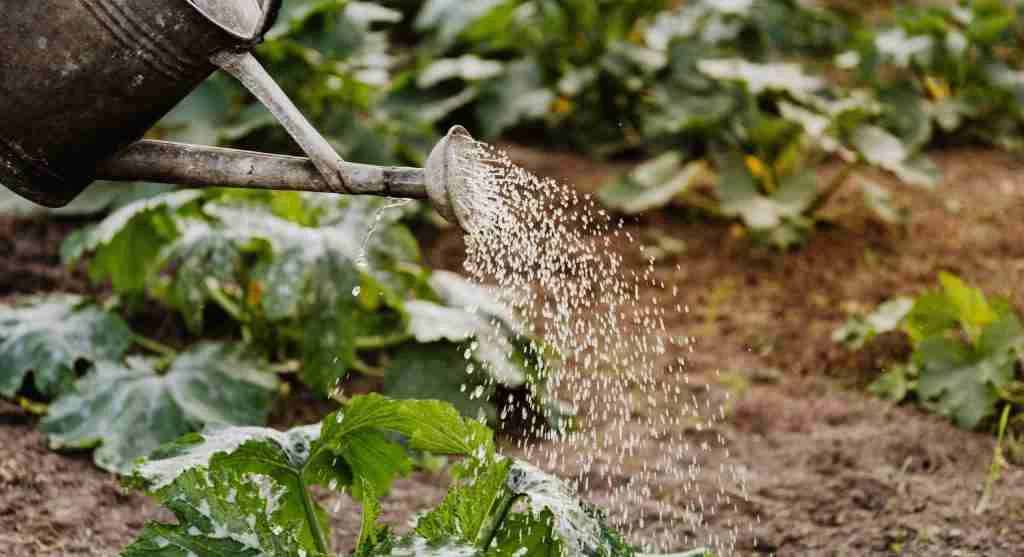
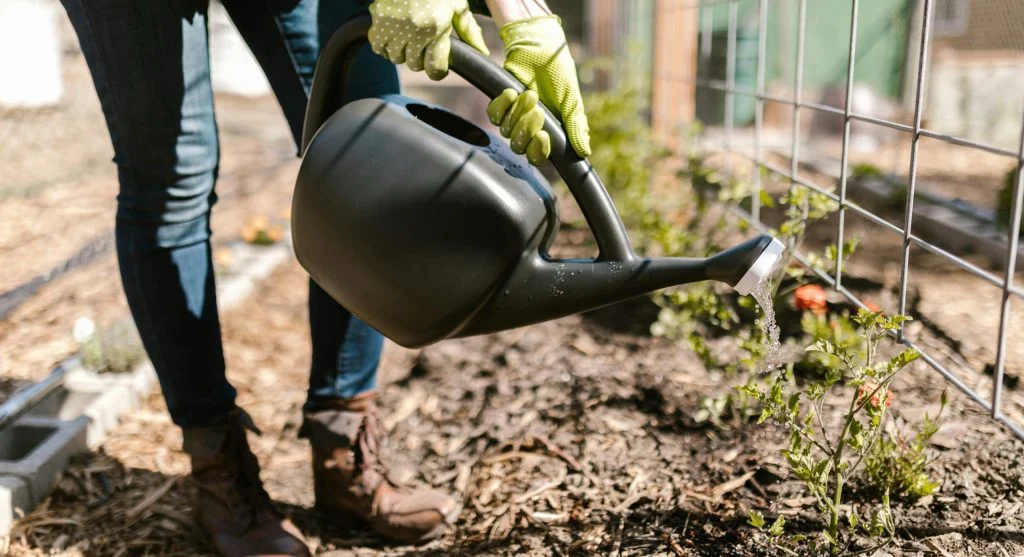

Useful water saving tips can help backyard gardeners catch runoff early before good water leaves the bed too fast and stops helping the crops it was meant to support. Many growers think watering problems always come from using too little water, but in some beds the problem begins when water moves away too quickly. The surface may look wet for a moment, yet part of that moisture may already be slipping toward the path, the lower corner, or the side of the bed before the roots can use it well.
Water educators, soil specialists, and experienced home growers often explain that a better watering routine is not only about how much water is added. It is also about how well the bed receives and holds that water. These water saving tips focus on how to notice garden water runoff early, slow water loss, and improve bed absorption so more of each watering session stays where it can do real good.
Why Water Saving Tips Matter When Runoff Begins
Water that leaves the bed too quickly often creates a confusing situation. The gardener has watered, the soil looks darker, and the task feels finished, but the root zone may not have received the full benefit. At the same time, the path may become muddy or one edge of the bed may collect extra moisture while another stays less supported than expected.
Researchers who study soil-water movement often note that absorption and flow rate matter just as much as watering volume. This is why water saving tips matter so much when runoff begins to show. A bed that receives water slowly and evenly often performs better than one that receives more water quickly but loses part of it almost immediately.
To improve bed absorption, gardeners often need to notice the moment water stops soaking in well and starts moving away instead. That small shift often reveals where the routine should change.
Watch the First Minute of Watering More Closely
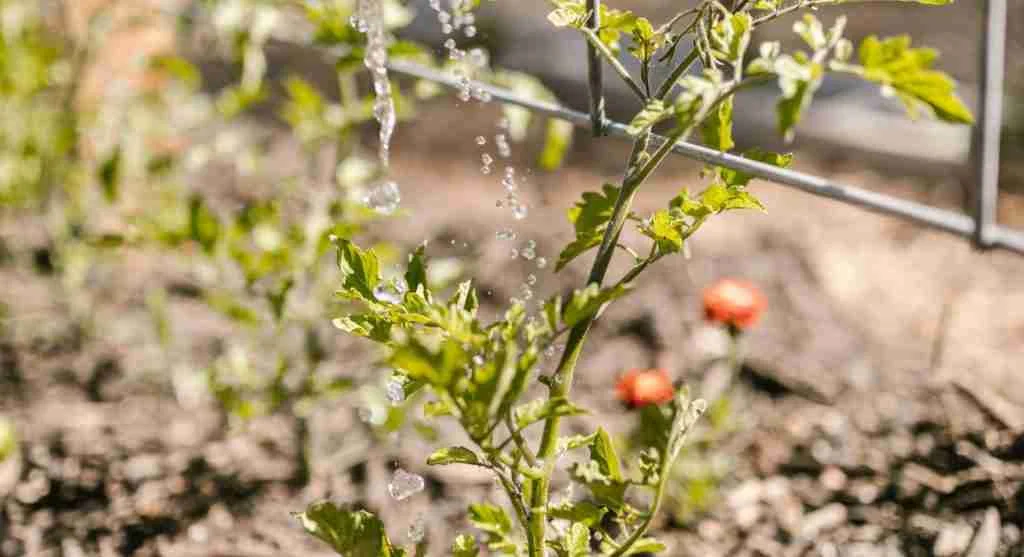
One of the strongest water saving tips is paying close attention to the first minute after watering begins. This is often when runoff starts to reveal itself. Water may begin pooling in one narrow strip, moving across the surface, or slipping toward the edge of the bed before the gardener fully notices what is happening.
Water educators often recommend slowing down at the beginning instead of assuming the bed will take in water the same way it did last week. The first minute often shows whether the soil is receiving water smoothly or already starting to resist it. This early clue can help the gardener adjust the pace before more water is lost.
Garden water runoff often becomes obvious only to growers who pause long enough to watch it. The beginning of the watering session often tells the most useful story.
Notice Whether One Section Always Starts Shedding Water First
Another of the most useful water saving tips is checking whether runoff always begins in the same part of the bed. One corner may be tighter, one edge may slope slightly, or one section may have less mulch and a firmer surface. If the same place starts shedding water every time, that area may need special attention instead of the whole bed being treated identically.
Soil and water specialists often explain that repeated runoff in one zone usually points to a local pattern, not a whole-bed mystery. That pattern may come from bed shape, soil texture, repeated foot pressure nearby, or the way water is being applied to that section. Once the weak point is recognized, the whole watering system usually becomes easier to improve.
To slow water loss, gardeners often need to see where the problem begins first. Repeated trouble in one section is usually valuable information rather than bad luck.
Use Slower Watering Before Adding More Total Water
One of the smarter water saving tips is reducing watering speed before increasing watering time. If the bed is already beginning to shed water, more volume delivered at the same fast pace may simply create more runoff. In many cases, a slower gentler application helps the bed absorb better than a heavier one.
Water educators often explain that water needs time to enter the top layer and move downward. When the surface receives more than it can accept at one moment, the extra moisture often travels sideways instead. A slower pace often gives the bed time to take in what it is being offered.
To improve bed absorption, it helps to think about pace before quantity. Water that enters slowly often does more good than water that arrives quickly and disappears off the side.
Keep Mulch in Place Where Water Tends to Escape
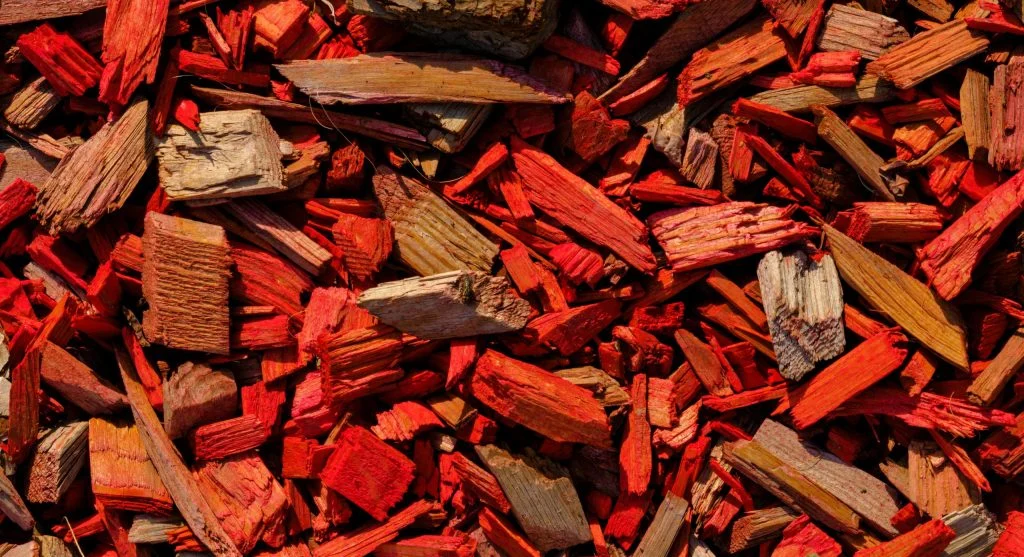
One of the more practical water saving tips is checking whether mulch has thinned or shifted in the exact places where runoff begins. Exposed topsoil often sheds water more easily once the surface tightens, especially near bed edges or open spots between crops. A stronger mulch layer may help calm the flow and protect the upper surface.
Soil care specialists often note that mulch can soften the impact of watering, reduce surface sealing, and help the bed hold moisture more evenly. This does not mean mulch alone solves every runoff problem, but it often helps the vulnerable sections behave more steadily. A little extra protection in the right place may keep more water where it belongs.
Garden water runoff often gets worse where the bed has lost its surface protection. Restoring that cover may be one of the simplest ways to slow water loss.
Check Bed Shape and Edge Height Before Assuming the Soil Is the Only Cause
One of the best water saving tips is remembering that runoff may come from bed shape as much as soil behavior. A slight low side, a worn-down edge, or a path that slopes toward one corner may guide water away even when the soil itself is still fairly workable. If the bed shape is helping water escape, the watering routine may never feel fully efficient until that is noticed.
Garden planners often recommend looking at the bed from the side and from the path after watering. Even small differences in height can matter once water begins moving. A border that once held moisture well may no longer do so after repeated use, weather, or foot pressure nearby.
To slow water loss well, gardeners often need to look at the whole structure of the bed, not only the center soil. Shape often guides water before roots ever get a chance to use it.
Let the Fastest-Runoff Bed Become a Signal Bed
One of the more overlooked water saving tips is using the bed that sheds water fastest as a guide during future watering sessions. If one zone always starts running off early, that bed may become the first place the gardener watches for signs that the pace needs to slow or the routine needs to change. This turns a weak point into a useful warning system.
Outdoor planners often explain that signal beds save time because they reveal trouble before the whole garden has been watered poorly the same way. Watching the bed most likely to run off often leads to quicker adjustments in pace, angle, and watering duration. This helps the whole garden benefit from what one problem bed teaches first.
Improve bed absorption across the yard by learning from the section that struggles earliest. Weak zones often become very useful once they are read clearly.
Keep Notes on When and Where Runoff Happens Most
One of the strongest water saving tips for long-term improvement is writing down which beds shed water first, under what weather conditions, and after what kind of watering. Some beds may run off only after hot dry stretches, while others may do it after repeated quick watering or when mulch thins along the edges. These patterns are much easier to fix when they are remembered accurately.
Garden educators often suggest simple notes about the bed, the section, the pace of watering, and what the runoff looked like. These notes do not need to be detailed to help. Over time, they show which beds need gentler watering, which areas need better surface protection, and which routine changes actually improved absorption.
Garden water runoff often becomes easier to manage once it stops feeling random. Notes help turn scattered frustration into a clearer working pattern.
Frequently Asked Questions
Q: What are the best water saving tips for garden runoff?
A: Some of the best water saving tips include watching the first minute of watering closely, noticing where runoff starts first, slowing the watering pace, keeping mulch in place where water tends to escape, checking bed shape, and keeping notes on which sections shed water most often.
Q: Why does garden water runoff matter so much?
A: Garden water runoff matters because water that leaves the bed too quickly may not support the root zone well. This can waste water, create muddy paths, and leave parts of the bed less balanced than they appear after watering.
Q: How can gardeners improve bed absorption without simply watering more?
A: Gardeners can improve bed absorption by applying water more slowly, protecting the surface with mulch, identifying repeated weak sections, and checking whether bed shape or edge height is helping the water escape too soon.
Q: What usually reveals runoff early in a garden bed?
A: Early signs often include water moving sideways across the surface, pooling near one edge, slipping toward the path, or soaking in more slowly in one repeated section than it does in the rest of the bed.
Key Takeaway
These water saving tips show that runoff is often easiest to manage when gardeners notice it early, slow the watering pace, protect the surface, and pay close attention to the sections of the bed where water escapes first. Mulch, gentler watering, better reading of bed shape, and simple notes all help improve bed absorption and reduce water loss over time. For many gardeners, the best water saving tips are the ones that keep good water in the bed long enough to do the job it was meant to do.