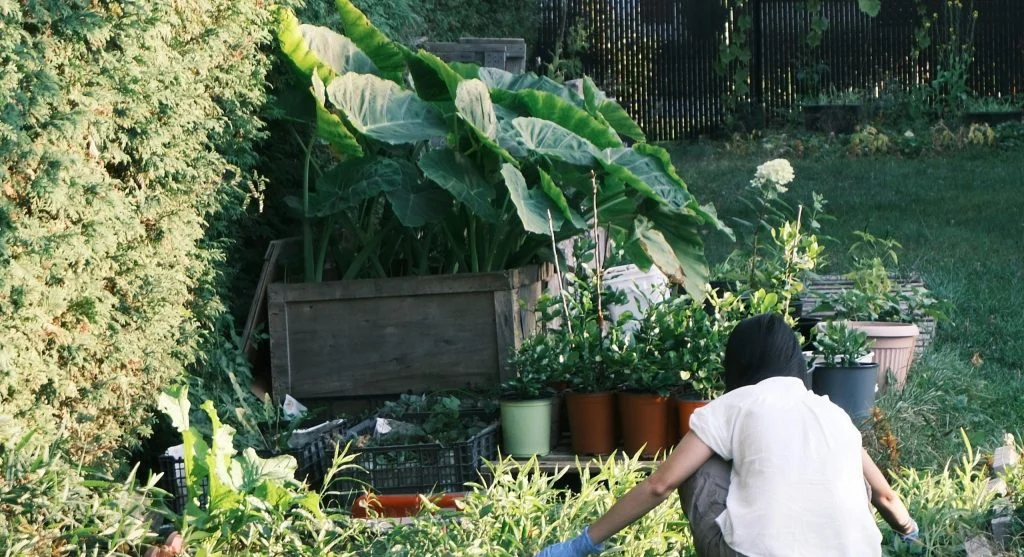

Useful growing hacks can help backyard gardeners use small open spaces between larger crops without turning a tidy bed into a crowded and harder-to-manage patch. Many beds include little empty spots that seem too useful to ignore. A tomato may still be small, a pepper may not have spread yet, or a cabbage row may leave open strips that look available for something extra. These spaces can be productive, but only when they are used with care.
Garden educators, crop planners, and experienced home growers often explain that small gaps in the bed should be treated as temporary opportunities, not permanent empty land. A space that looks open today may not stay open long once the larger crop begins widening. These growing hacks focus on how to use small garden gaps wisely, support productive backyard beds, and make between-plant growing space useful without creating later crowding and confusion.
Why Growing Hacks Matter in Small Open Bed Spaces
Small spaces between crops often tempt gardeners because they appear to offer free growing room. But these gaps are rarely as simple as they look. They sit beside roots that are already developing, leaves that will soon widen, and watering patterns already shaped by the main crop. If another plant is added without thinking about that future growth, the bed may become harder to water, inspect, and harvest than expected.
Researchers who study intensive food growing often note that space efficiency works best when timing and crop behavior are understood clearly. This is why growing hacks matter so much in between-plant spaces. The goal is not using every inch at any cost. The goal is making sure today’s extra crop does not become tomorrow’s extra problem.
To keep productive backyard beds balanced, gardeners often need to think of these gaps as short-term working spaces rather than full open bed sections. That small mindset shift usually improves the result right away.
Decide Whether the Space Is Truly Open or Only Temporarily Open
One of the strongest growing hacks is asking whether the gap will still exist by the time a new crop begins to matter. A space may look generous early in the season because the larger neighboring plants have not yet filled in. But if those main plants are about to widen, the gap may disappear before the added crop becomes truly useful.
Garden planners often recommend checking not only today’s empty soil, but also the likely future spread of the surrounding plants. If the larger crop is known to branch, lean, or fill out quickly, the space may be better left open or used only for something very short-lived. A useful gap is one that stays useful long enough to justify planting into it.
Use small garden gaps wisely by planning for what the bed will look like soon, not only for what it looks like now. Future crowding often begins in these early decisions.
Choose Quick or Compact Crops for Small Gaps
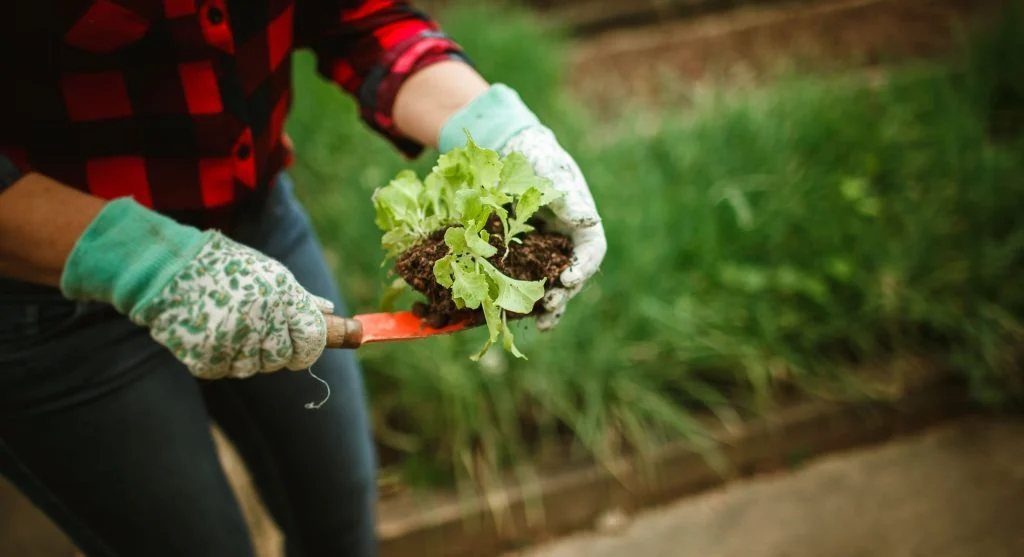
Another of the most useful growing hacks is choosing crops that match the size and timing of the space. Small herbs, baby greens, radishes, green onions, or other quick compact crops often fit much better between larger vegetables than slow heavy growers do. A compact crop can make the gap productive without trying to take control of it.
Crop educators often explain that a small gap should usually receive a small answer. The crop added there should be able to grow, harvest, and leave without fighting the larger crop for long-term control of the bed. This usually supports a cleaner and more flexible planting pattern.
Between-plant growing space often works best when it is matched with crops that know how to enter and exit quickly. Small fast crops usually respect that limited space better than large ones do.
Keep the Added Crop Easy to Identify at a Glance
One of the smarter growing hacks is making sure the extra crop does not disappear visually into the larger planting. If the small filler crop becomes hard to distinguish from the surrounding bed, it may be missed during watering, harvest, or thinning. What was meant to make the bed more useful may instead become hidden work.
Garden educators often suggest keeping the added crop in a small neat patch or short visible line rather than scattering it randomly through the open soil. This makes the bed easier to read later and helps the grower remember what was planted there. Clear structure often matters just as much as crop choice in small spaces.
Productive backyard beds usually stay easier to manage when every crop can still be recognized quickly. Hidden crops are often forgotten crops.
Protect Access to the Main Crop While Using the Gap
One of the more practical growing hacks is remembering that the main crop still deserves first access. If a small filler crop makes it harder to water the base of tomatoes, check peppers, or harvest from larger plants later, the gap is no longer truly helping the bed. The added planting should support the bed, not block its most important work.
Water and harvest educators often explain that small added crops often succeed best when they sit where the grower can still easily reach the main plant’s stem, fruit, or root zone. If the filler crop turns that simple access into awkward reaching or stepping, it is probably taking too much from the space.
To use small garden gaps well, the gardener usually needs to treat the larger crop as the bed’s priority. The extra crop should fit around that rule, not compete with it.
Harvest the Gap Crop Before It Starts Acting Like a Main Crop
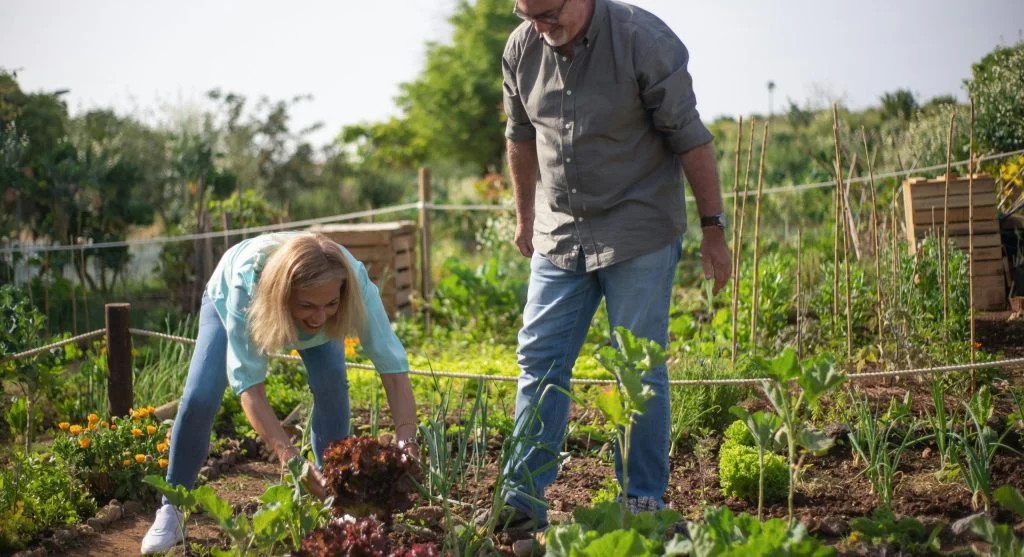
One of the best growing hacks is knowing when the extra crop has done its job. A quick filler crop should leave before it begins shading, tangling, or crowding the larger neighboring plants. If it remains in the gap too long, it may stop being a useful addition and start becoming another layer of competition.
Harvest educators often note that gap crops often work best when they are picked young, tender, or early. This supports the original purpose of the planting, which is to make short-term use of a temporary space. Once the main crop begins expanding, the bed usually benefits more from openness than from squeezing one more plant into the same area.
Between-plant growing space often stays productive when the added crop leaves on time. A successful filler crop knows when to be finished.
Watch Moisture More Carefully in Shared Small Spaces
One of the more overlooked growing hacks is checking how moisture behaves when two crops are using one small zone. A larger crop may already be pulling water steadily, and a small added crop may change how quickly the top layer dries. If the gardener does not notice that shift, the gap may become harder to read than the rest of the bed.
Soil and water educators often explain that shared growing zones can change surface dryness faster than expected, especially during warm weather. This does not mean the gap should never be planted. It means it should be watched more carefully while both crops are active there. Small shared spaces often need more attention, not less.
To keep productive backyard beds stable, gardeners often need to remember that extra plants change water behavior too. Even a small added crop affects the routine.
Keep Notes on Which Gaps Were Worth Using
One of the strongest growing hacks for future seasons is writing down which between-plant spaces actually produced useful results and which ones became more trouble than value. Some gaps may work beautifully with quick greens or herbs, while others may close too fast or become too awkward to manage. These patterns become easier to trust once they are recorded.
Garden educators often suggest noting the main crop, the added crop, how long the gap stayed open, and whether access and harvest remained easy. These simple notes help the next season’s planting become much more confident. Over time, the gardener learns which spaces are genuinely useful opportunities and which spaces only look inviting for a short time.
Use small garden gaps more wisely by learning from the ones that truly worked. Notes help turn a one-time filler success into a repeatable growing strategy.
Frequently Asked Questions
Q: What are the best growing hacks for small spaces between plants?
A: Some of the best growing hacks include checking whether the gap will stay open long enough, choosing quick or compact crops, keeping the added crop easy to identify, protecting access to the main crop, harvesting the gap crop early, and watching shared moisture more carefully.
Q: Why can small garden gaps become crowded so quickly?
A: Small garden gaps can become crowded quickly because the surrounding larger crops often keep expanding. A gap that looks open early in the season may shrink fast once neighboring plants widen, root more deeply, or cast more shade.
Q: How can gardeners keep productive backyard beds from becoming overfilled?
A: Gardeners can keep beds balanced by using small filler crops only in truly useful short-term spaces, choosing compact crops, harvesting them on time, and always protecting access and room for the main crop.
Q: What helps between-plant growing space stay useful instead of confusing?
A: It helps to keep the added crop neat and visible, limit it to a small clear patch, and choose crops that fit the timing and size of the gap instead of scattering random extra plants through the bed.
Key Takeaway
These growing hacks show that small spaces between larger crops can be very useful, but only when gardeners treat them as short-term opportunities instead of permanent empty land. Better crop choice, clearer layout, careful access, timely harvest, and closer moisture checks all help these gaps stay productive without turning the bed into a crowded patch. Simple notes make future decisions even stronger. For many gardeners, the best growing hacks are the ones that use small spaces wisely without taking away from the main crop that matters most.