
Useful water saving tips can help backyard gardeners realize that the biggest watering problem is not always how much water is used. Sometimes the bigger problem is how the water is being delivered. A bed may be watered regularly, the surface may look damp, and the routine may feel responsible, yet a surprising amount of that moisture may be landing in the wrong place, moving too quickly, or disappearing before the crop gets the full benefit.
Many gardeners focus on frequency first. That makes sense, but delivery style matters just as much. A broad spray, a quick pour, a wandering hose, or an uneven pattern can all create more waste than the grower notices in the moment. These water saving tips focus on how to compare garden watering methods, identify hidden losses, and choose more efficient backyard irrigation habits that support the crop instead of the illusion of a well-watered bed.
A Watering Method Can Feel Thorough Without Being Efficient
One of the easiest mistakes in the garden is confusing visible wetness with useful watering. A method that darkens the whole surface may feel complete, but that does not automatically mean it is doing the best job for the roots. Some delivery styles spread moisture widely but shallowly. Others send water too fast through one section while another area gets less than expected.
This is why water saving tips often begin with watching the method itself instead of only the result. A gardener who studies how water arrives usually learns more than one who only notices that the bed looked wet for a while afterward.
Where the Water Lands Matters As Much As How Much Leaves the Hose
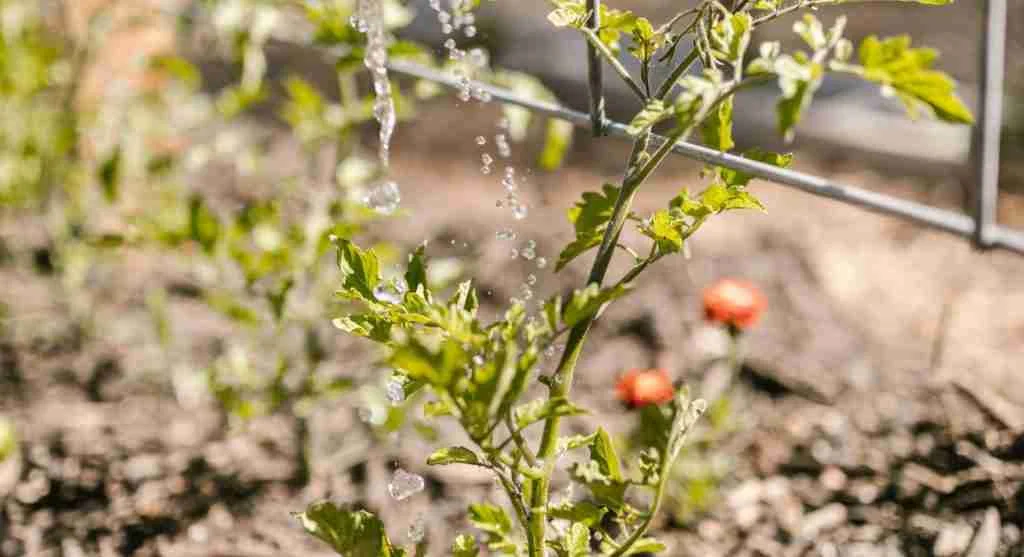
Two gardeners may use the same amount of water and get very different results. The difference often comes from placement. One method may place water close to the root zone, while another wets paths, empty corners, bed edges, and upper leaves more than the crop base. The total amount may be identical, but the usefulness is not.
That is why one of the smartest water saving tips is asking where the water really goes. If a method consistently sends a large share of moisture to spaces that are not actively helping the crop, it may feel generous while quietly being wasteful.
Fast Delivery Often Creates Hidden Waste
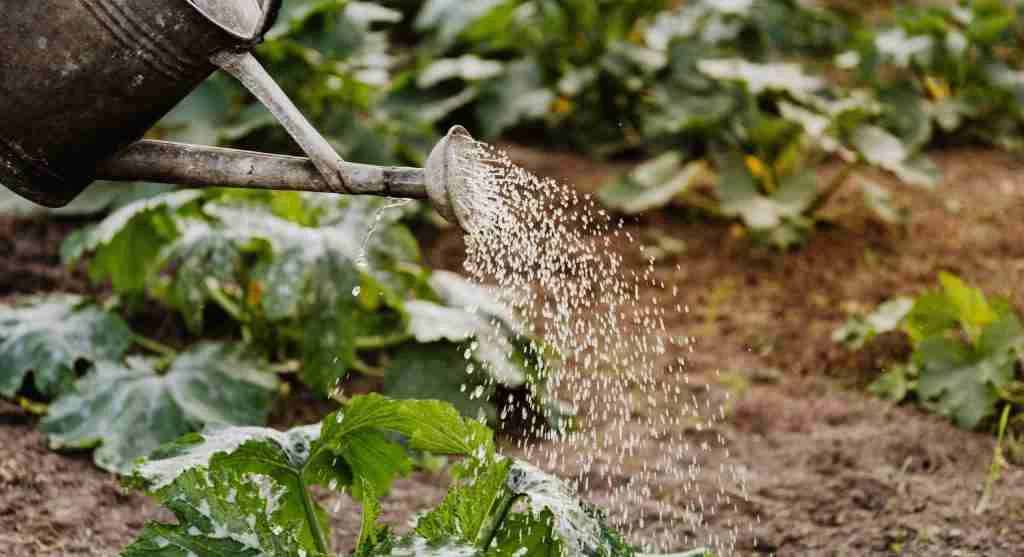
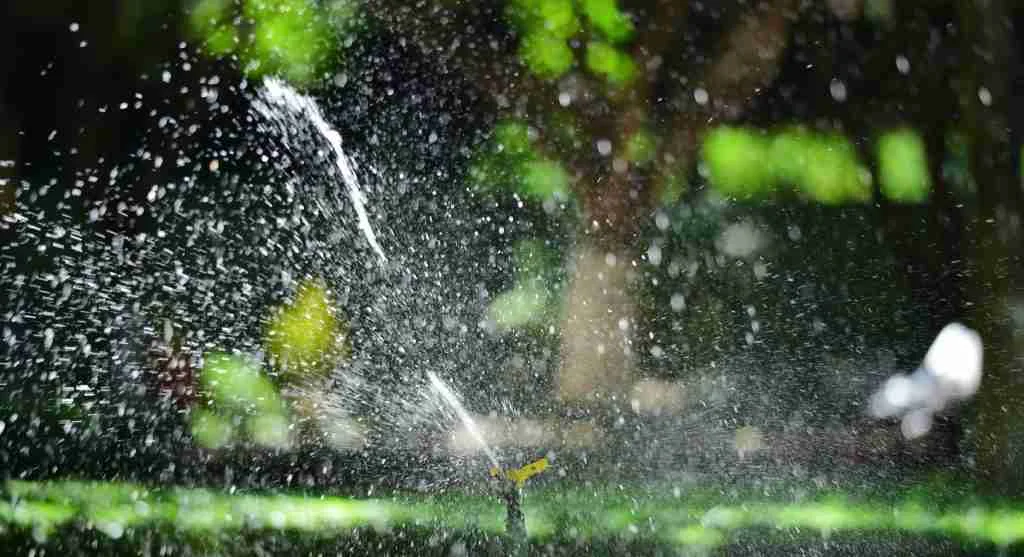
Water that arrives too quickly often moves away before the bed has time to use it well. It may skim across the surface, pool in one section, or push through the top layer unevenly. In those moments, the gardener may feel like the task is being finished quickly, but the crop may be receiving less balanced support than expected.
This does not mean slow watering is always automatically better. It means speed should match the bed. A method that overwhelms the surface usually creates more waste than the grower sees at first, especially in beds with uneven texture or exposed sections.
Broad Coverage Is Not Always the Same Thing As Good Coverage
Many gardeners feel more confident when the whole bed looks evenly wet. That look can be satisfying, but some crops do better with more deliberate watering around the areas that matter most. Broad coverage sometimes waters the bed for appearance more than for actual plant need. The surface looks equal, but the root response may still end up uneven.
Efficient backyard irrigation often improves when the gardener stops aiming for maximum visible coverage and starts aiming for maximum crop benefit. Those are not always the same thing.
Watering Methods Should Fit the Bed, Not the Habit
One method does not suit every planting. A quick sweep that works well in one bed may create waste in another. A narrow densely planted row behaves differently from a bed with wide spacing. A mulched fruiting crop may need something different from shallow young greens. The more the bed changes, the more the method may need to change too.
This is one reason experienced gardeners often adjust delivery style rather than repeating one motion everywhere. Good water saving tips respect the fact that watering methods should match bed structure, crop type, and current season stage.
The Best Method Usually Leaves the Bed Easier to Read
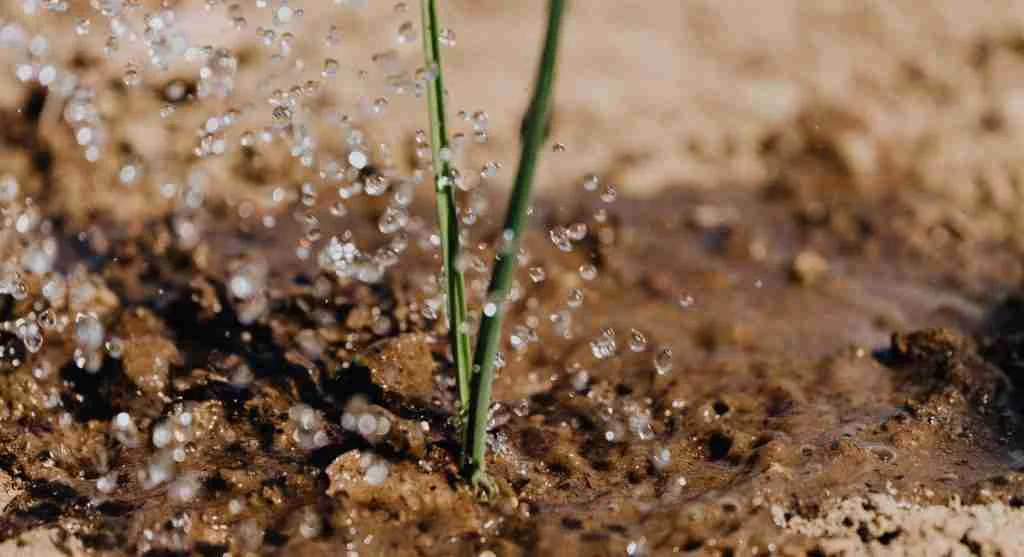
A good watering method does more than deliver moisture. It leaves the bed in a state the gardener can understand. If one style always creates muddy confusion, unexpected runoff, or patchy wetting that is hard to interpret later, it may be making the whole bed harder to manage. A better method usually creates clearer follow-up decisions.
This matters because efficient watering should support future care, not complicate it. The method that helps the grower read the bed more honestly often saves more water over time than a method that only feels fast in the moment.
Small Tests Often Reveal More Than Assumptions
One of the most practical water saving tips is to test methods in a small deliberate way. Water one section slowly and another more broadly. Compare a directed root-zone approach with a looser surface pass. Then watch how the bed responds later that day and the next morning. Small experiments often reveal waste more clearly than habit ever will.
These tests are especially useful because many watering patterns feel normal simply because they are familiar. Once the grower compares them directly, the differences in runoff, surface wetness, and plant response often become much easier to notice.
Keep Notes on Which Watering Style Leaves the Crop Most Stable
The best long-term improvements often come from writing down which methods actually helped the bed most. Did the slower approach hold moisture longer? Did the targeted method reduce empty-soil wetting? Did one delivery style make post-watering stress less noticeable during hot afternoons? These small observations turn watering from habit into skill.
Over time, the gardener learns not only which method feels easiest, but which method truly gives the crop the most dependable support with the least waste. That is where the strongest water saving tips usually lead.
Frequently Asked Questions
Q: What are the best water saving tips for comparing garden watering methods?
A: The best water saving tips include watching where the water lands, noticing whether the method creates runoff or shallow wetting, matching delivery speed to the bed, and testing different styles in small sections to compare results honestly.
Q: Why can a watering method waste water even if the bed looks wet?
A: A method can waste water when too much moisture lands on empty soil, paths, or leaves, or when water moves too quickly through or across the surface instead of supporting the root zone effectively.
Q: Is broad watering always less efficient than targeted watering?
A: Not always, but broad watering often creates more waste if the bed has wide spacing, mixed crop sizes, or areas that do not need equal moisture. Targeted watering is often more efficient when it fits the crop layout better.
Q: How can gardeners choose a better watering method?
A: Gardeners can choose better by matching the method to bed layout, crop type, and current growth stage, and by observing which delivery style keeps the crop most stable with the least unnecessary wetting.
Key Takeaway
These water saving tips show that a watering method should be judged by usefulness, not just by how wet the bed looks afterward. The best method is usually the one that places moisture where roots can use it, avoids unnecessary spread, and leaves the bed easier to read later. Backyard gardeners who compare methods carefully often save water not by doing less, but by delivering it better.