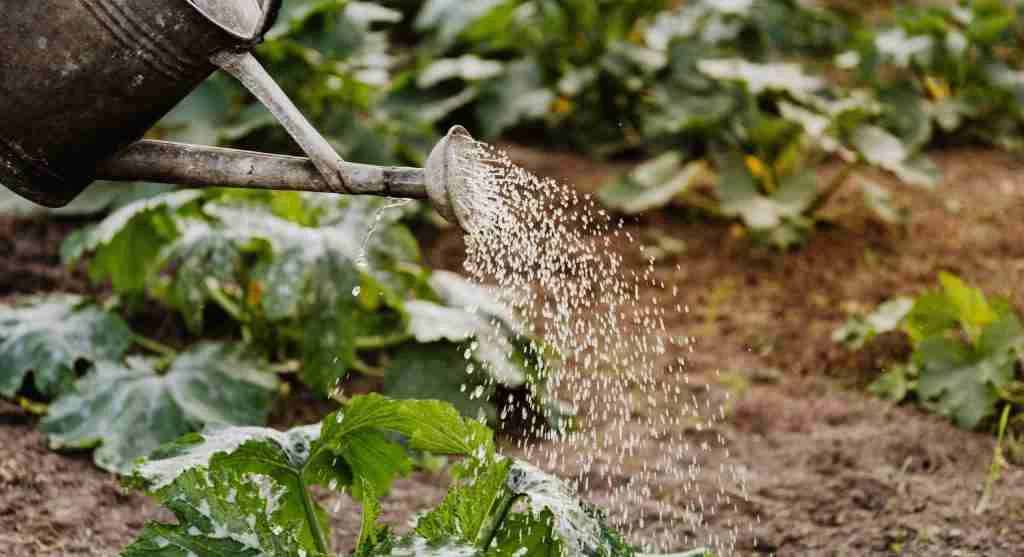
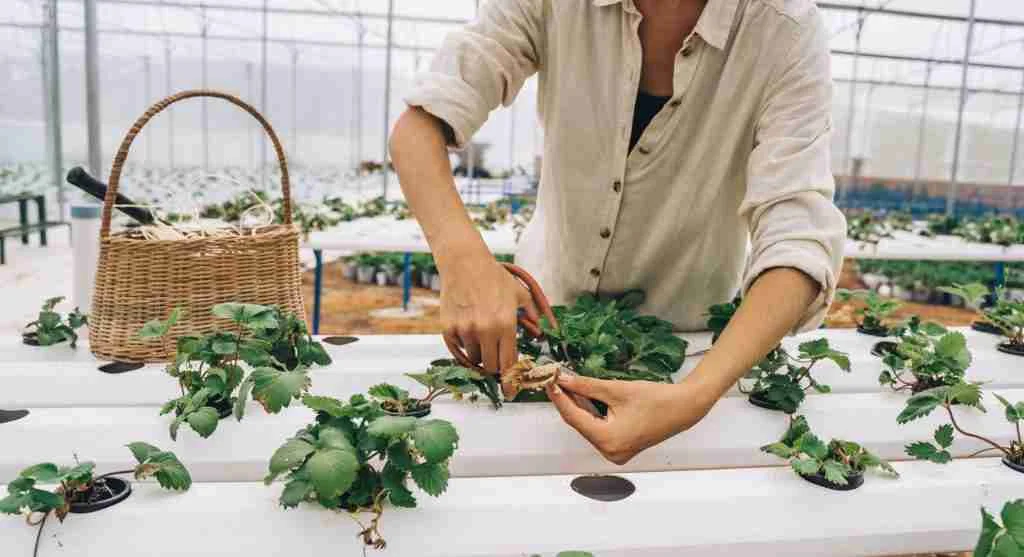

Useful water saving tips can help backyard gardeners notice something easy to miss after a productive picking day: the bed that was shaded, full, and moisture-holding yesterday may behave very differently once a large amount of growth has been removed. A major harvest changes more than what goes into the basket. It can change sun exposure, airflow, surface temperature, and how quickly the soil starts losing moisture.
That matters because many gardeners keep watering the bed as though nothing changed. They follow the same rhythm they used before the harvest, even though the bed now has more exposed soil, less leaf cover, and a different drying speed. In other cases, growers assume a freshly harvested bed always needs more water, even when the root zone still holds plenty from the previous day. These water saving tips focus on how to read that post-harvest shift clearly, adjust garden watering without guesswork, and keep moisture more balanced after large harvests change how the bed behaves.
A Big Harvest Can Change the Bed Faster Than the Weather Does
Most gardeners expect watering needs to change when the weather changes. Fewer people notice that a heavy harvest can create the same effect inside the bed itself. When thick greens, larger outer leaves, extra fruit, or dense upper growth are removed, the soil surface may suddenly receive more light and more moving air than it did only hours earlier.
This does not mean every harvested bed becomes thirsty at once. It means the growing conditions have shifted, and the old routine may no longer fit as neatly. Good water saving tips often begin with recognizing that plant removal is also a microclimate change.
Leaf Canopy Loss Often Speeds Up Surface Drying
One of the clearest post-harvest changes is the loss of natural shade. Before harvest, a bed may have had wide leaves covering the soil, slowing evaporation and helping the surface stay cooler. After harvest, the same bed may be much more open. That exposed surface can begin drying faster even when the root zone below has not changed nearly as much.
This is why watering after harvest should not be based only on what the top of the bed looks like. The exposed surface may look thirsty very quickly, but that does not always mean the deeper soil needs a full new watering session right away.
The Root Zone May Stay Stable Longer Than the Surface Suggests
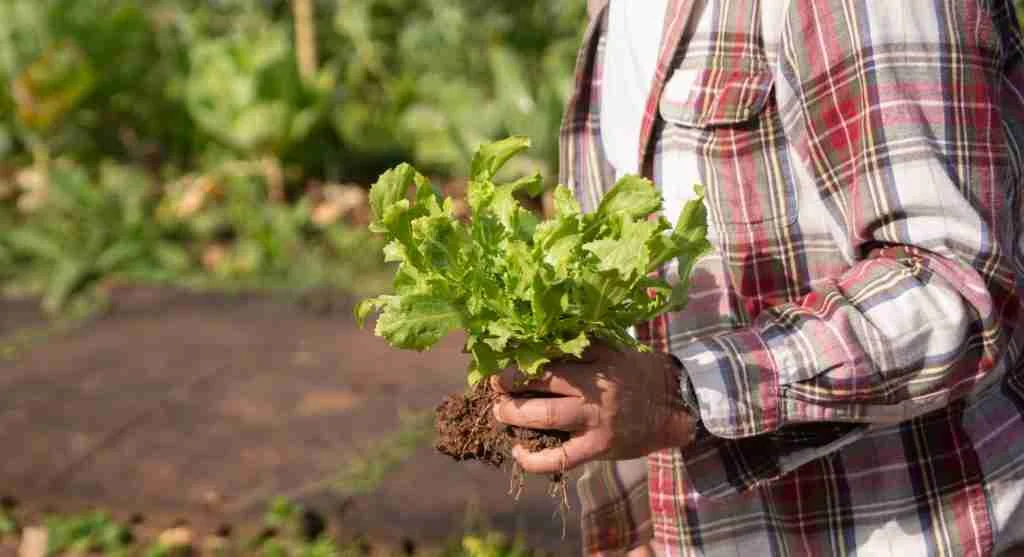
One of the most helpful things a gardener can remember is that exposed topsoil and root-zone moisture are not the same thing. A bed may appear noticeably drier after harvest because the top layer is no longer hidden. But the soil deeper down may still be holding enough moisture for the crop to remain comfortable.
This is where many watering mistakes begin. The eye sees the surface changing quickly and assumes the whole bed needs immediate replacement water. Smarter watering after harvest comes from checking below that visual change instead of reacting to it automatically.
Harvesting Greens and Outer Leaves Can Shift Watering More Than Picking Fruit
Not every harvest changes the bed equally. Removing a few tomatoes or peppers may not alter the bed’s moisture behavior much at all. But taking a large amount of leafy growth, thinning a dense patch, or harvesting outer leaves from many plants across one section can change shade and airflow in a meaningful way.
This is why water saving tips work best when they respond to the kind of harvest, not just the fact that harvesting happened. A fruit harvest and a canopy-removing harvest often leave very different watering situations behind.
Freshly Opened Beds Often Need Observation Before Action
One of the smartest habits after a major harvest is to watch the bed for a short time before deciding on the next watering move. The gardener does not always need to water immediately, and does not always need to delay. The point is to observe the new pattern first. How fast is the exposed surface changing? Does the bed still feel cool beneath the top layer? Do the remaining plants still look stable later in the day?
That pause is useful because it separates visual shock from real moisture need. A newly opened bed can look dramatically different without requiring dramatically different watering in the first hour.
Partial Harvests Can Create Mixed Moisture Zones in the Same Bed
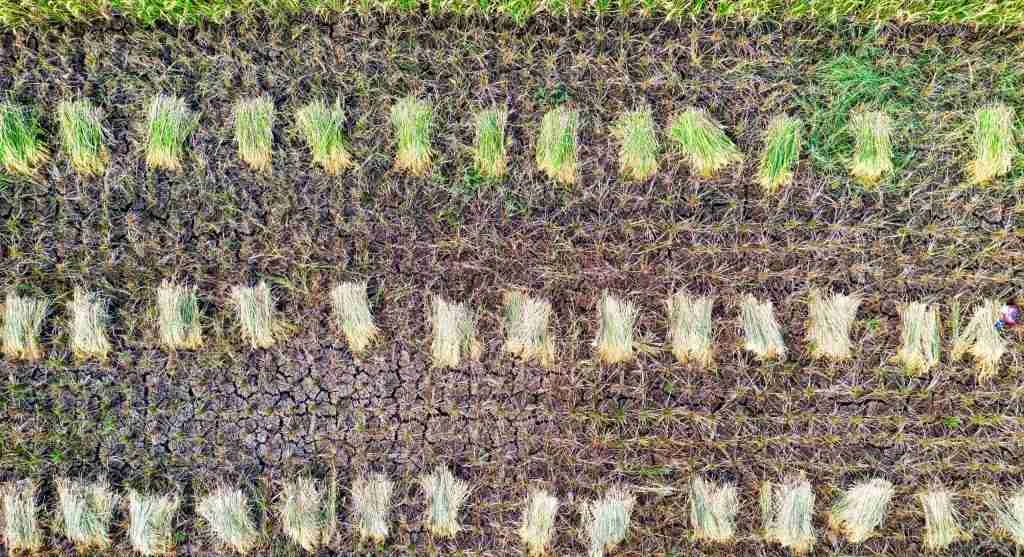
Sometimes only one part of the bed is heavily harvested. One row of lettuce may be cut back while another remains full. One side of a kale bed may be opened up while the rest still shades the soil well. In those situations, the bed no longer acts like one watering zone. It has become a mixed zone with one more exposed section and one more protected section.
This is a good moment to avoid one-size-fits-all watering. A whole-bed soak may waste water on the section that still holds moisture well, while the newly open section may need closer watching or lighter targeted support instead.
Mulch Becomes More Useful After Canopy Removal
When harvest exposes more soil, mulch often becomes more important. A surface that was once naturally shaded by leaves may now depend more heavily on surface cover to slow evaporation. This does not mean mulch replaces observation, but it often helps soften the drying jump that follows major picking.
Gardeners who already mulch lightly may find that post-harvest beds stay more balanced than unprotected ones. The difference becomes especially clear during warm weather or after several heavy harvest passes in the same area.
Keep Notes on Which Beds Change Most After Harvest
Some beds hardly change after picking. Others dry much faster once the canopy is opened. One of the best ways to improve water use over time is to record which crops and layouts shift the most after harvest. Beds full of leafy vegetables, densely planted herbs, and repeated outer-leaf harvest crops often behave differently from fruit-focused beds with little canopy change.
Those notes help the next harvest feel easier to read. Instead of watering from habit, the gardener begins anticipating which beds will need a closer moisture check after a major picking day and which ones will stay stable with the old routine.
Frequently Asked Questions
Q: Why does a garden bed dry faster after a big harvest?
A: A large harvest often removes leaf cover that was shading the soil. This exposes the bed to more sunlight and airflow, which can speed up surface drying even if the deeper root zone still holds moisture.
Q: What are the best water saving tips after harvesting a bed?
A: The best tips include checking below the surface before watering, noticing how much canopy was removed, watching for mixed moisture zones, and using mulch or lighter targeted watering instead of assuming the whole bed needs a full new soak.
Q: Should gardeners always water right after harvest?
A: Not always. Some beds need observation first because the exposed surface may look dry while the root zone is still stable. The best choice depends on how much growth was removed and how the soil feels below the top layer.
Q: Which harvests change watering needs the most?
A: Harvests that remove a lot of leafy growth, outer leaves, or dense canopy usually change watering needs more than simple fruit picking, because they expose more soil and alter the bed’s small climate.
Key Takeaway
These water saving tips show that a productive harvest can also change the bed’s moisture pattern in ways that are easy to miss. Once heavy picking removes shade and opens the surface, the soil may dry differently even though the root zone has not yet changed as much. Gardeners who notice that shift early can water more accurately, waste less, and keep the bed steadier after big harvest days.