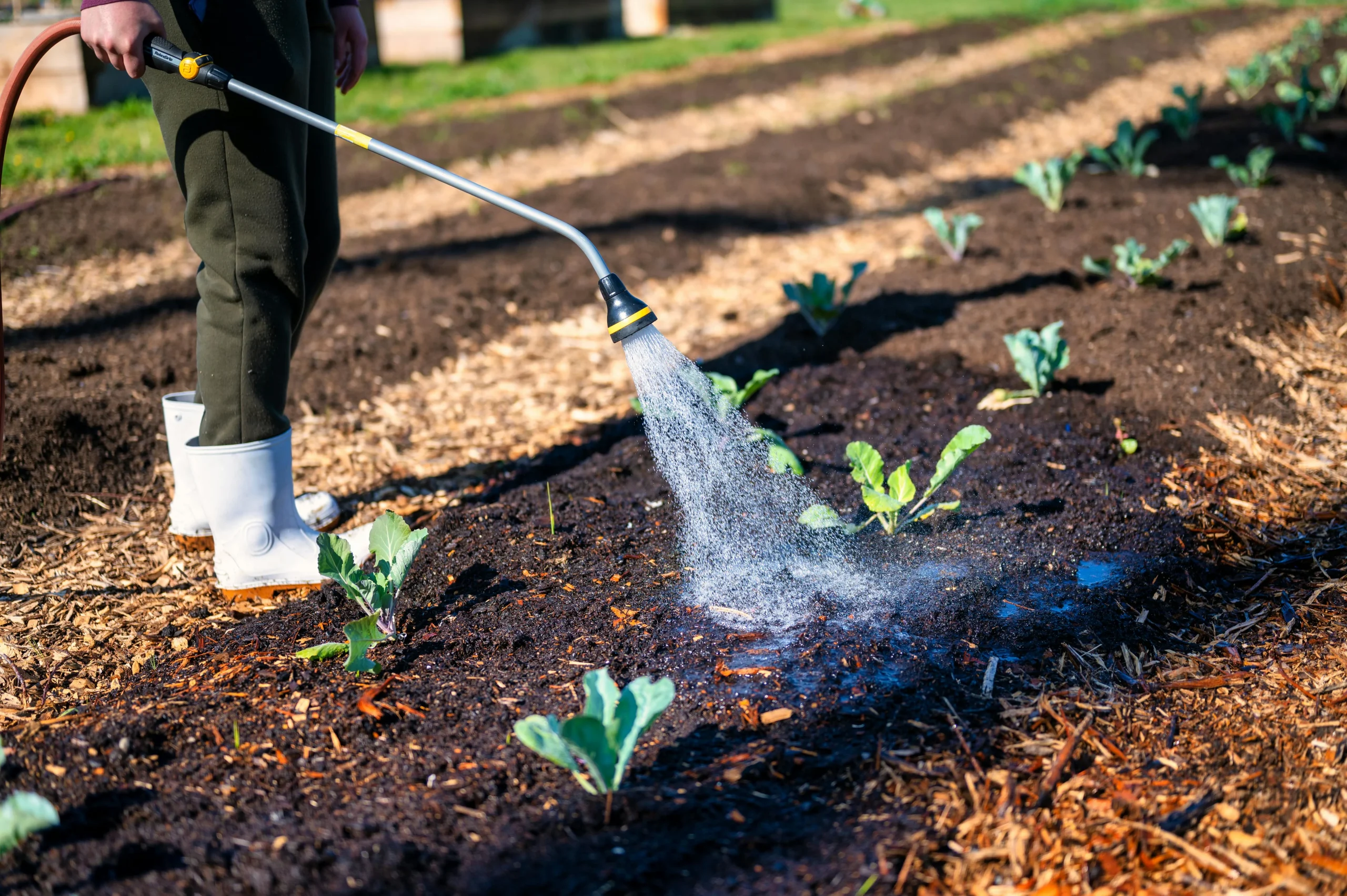
Useful water saving tips can help raised beds stay productive without losing moisture too quickly, especially in warm or windy conditions. Raised beds are often chosen for better drainage and easier access, but those same qualities can also cause soil to dry out faster if watering habits aren’t adjusted. A few simple changes can reduce water waste and keep plants more stable during dry periods.
Water management educators, soil specialists, and experienced growers often explain that effective raised bed watering depends on a combination of timing, soil cover, and how well moisture reaches the root zone. Simply adding more water doesn’t always solve the problem. These water saving tips focus on helping the soil retain moisture longer and making each watering session more efficient.
Why water saving tips matter more in raised beds
Raised beds tend to dry out faster than in-ground gardens because more of the soil is exposed to sun, airflow, and heat along the edges. During hot weather, the surface and outer sections can lose moisture quickly, even when the center still feels adequately moist. This uneven drying can make it harder to judge when watering is actually needed.
Researchers studying small-scale growing systems often note that consistent moisture supports both plant health and soil quality. When water is used efficiently and kept more evenly distributed, roots tend to grow stronger and plants handle heat more reliably. Raised beds respond especially well to this balance because their soil conditions can shift more quickly than traditional ground beds.
Water saving tips are important because they help gardeners work with these conditions instead of constantly reacting to dryness after plants have already been stressed. Better habits early on can prevent extra work later in the season.
Water early in the day for better raised bed watering
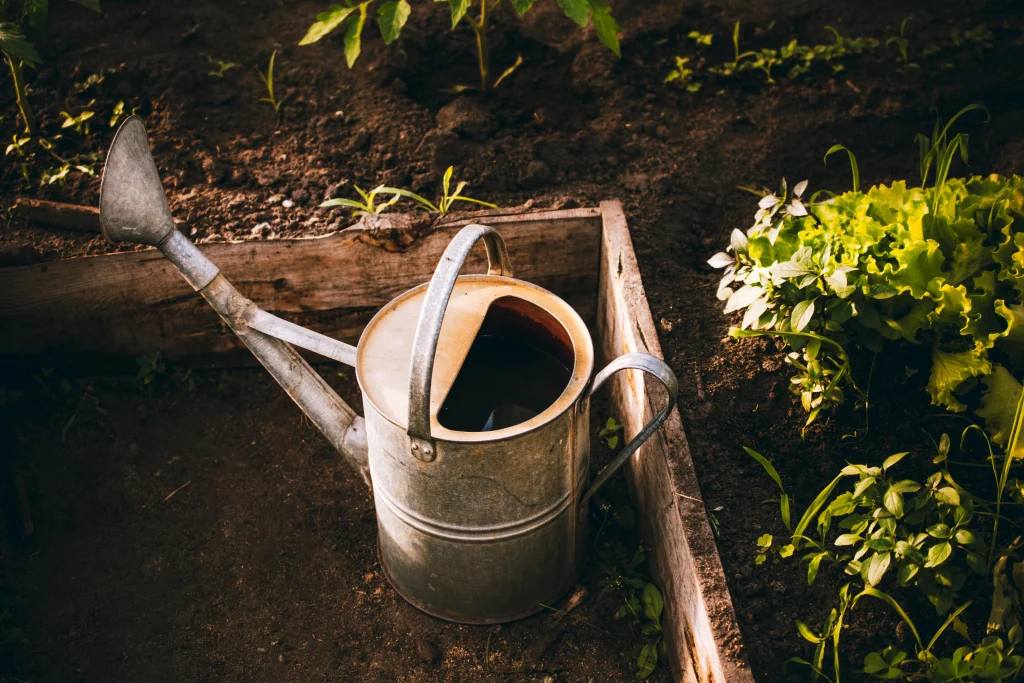
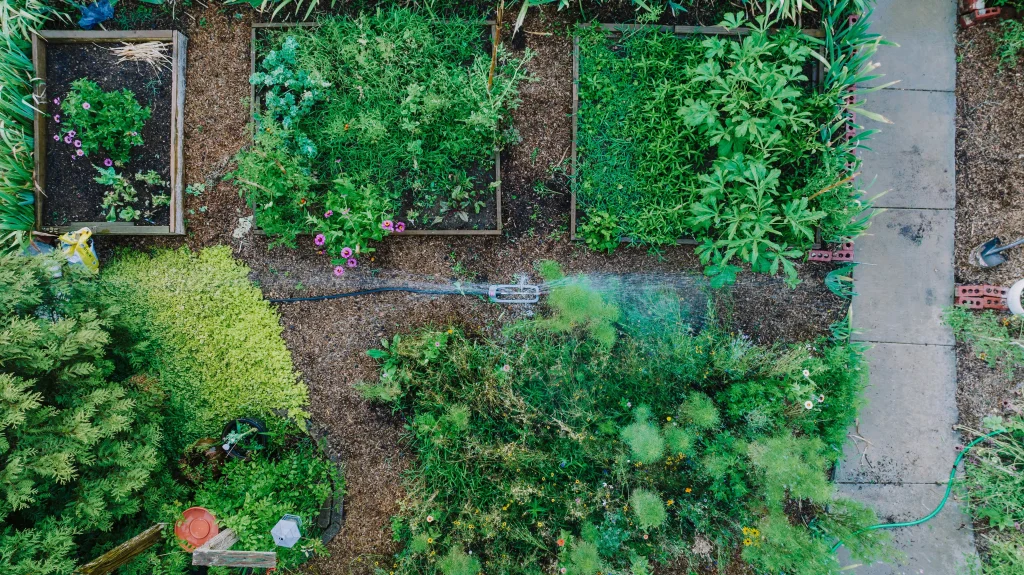
One of the simplest and most effective water saving tips is to water early in the morning. Cooler temperatures, lower sunlight, and calmer air help more of the water reach the roots before it evaporates. This also gives plants time to absorb moisture before the heat of the day increases.
Watering experts often recommend morning watering because it creates more stable conditions across the bed. Watering during the hottest part of the day can lead to quicker evaporation, especially if the soil is uncovered. Morning watering is not only easier on plants but also makes better use of the water applied.
For gardeners trying to conserve water, adjusting timing is one of the easiest changes to make. It doesn’t require new tools, but it can significantly improve how effective each watering session is.
Credit: Artem Lysenko / Pexels
Credit: Kelly / Plexels
Improve Soil Structure So the Bed Holds Water Better
Water saving tips become more effective when the soil itself is able to hold moisture in a balanced way. Raised beds with low organic matter may dry too quickly, while beds with uneven structure may not distribute water well across the root zone. Compost and steady soil care can help improve how the bed manages water.
Soil specialists often explain that better structure supports both drainage and moisture holding. This balance matters because roots need air as well as water. Raised bed watering is easier to manage when the soil does not swing too quickly between dry and soggy conditions.
Reducing water waste is not only about using less water. It is also about making the bed better able to use the water it receives. Stronger soil often leads to more dependable moisture between watering sessions.
Group Plants With Similar Water Needs in the Same Bed Area
Raised beds often hold a mix of crops, but not all plants need the same amount of water. One of the more useful water saving tips is grouping crops with similar moisture needs together. This helps gardeners avoid overwatering one area while trying to support another.
Garden planners often suggest keeping leafy greens, thirsty vegetables, and shallow-rooted crops in similar zones while separating drought-tolerant or lower-demand plants where possible. This layout makes it easier to adjust raised bed watering without guessing. It also helps gardeners notice which sections of the bed dry out faster than others.
To save water in garden beds, layout matters. Better grouping often removes several small watering mistakes that add up across the week.
Protect Beds From Extra Heat and Drying Wind
Some raised beds sit in highly exposed parts of the yard where sun and wind increase water loss rapidly. Practical water saving tips sometimes include reducing that pressure with simple barriers, nearby taller crops, or temporary shade support during extreme conditions. These steps can help the soil hold moisture longer without changing the entire garden setup.
Environmental planners and crop care specialists often note that exposure can change watering needs more than gardeners expect. A raised bed beside a wall, fence, or paved surface may heat up faster and dry more quickly than another bed a short distance away. Paying attention to those conditions helps gardeners water more accurately.
Raised bed watering works best when the environment around the bed is part of the plan. Small protective steps can reduce water waste while helping crops stay healthier in dry weather.
Frequently Asked Questions
Q: What are the best water saving tips for raised beds?
A: Some of the best water saving tips for raised beds include watering early, using mulch, directing water to the root zone, checking moisture below the surface, and improving soil structure. These habits help reduce waste and protect plant roots.
Q: Why does raised bed watering need more attention than ground beds?
A: Raised beds often dry faster because more soil is exposed to sun, air, and edge heating. This means moisture levels can change more quickly, especially during warm weather.
Q: How can gardeners reduce water waste in raised beds?
A: Gardeners can reduce water waste by using mulch, watering at the right time, grouping crops by similar needs, and checking soil before watering again. These steps help match water use to actual bed conditions.
Q: Is mulch important when trying to save water in garden beds?
A: Yes, mulch is often very important because it helps slow evaporation, protect soil from heat, and keep moisture closer to the root zone for longer.
Key Takeaway
These water saving tips show that raised beds stay more productive when moisture is protected instead of constantly replaced. Early watering, mulch, root-zone watering, better soil structure, and careful observation can all reduce water waste while supporting healthier crops. Grouping plants by similar needs and protecting exposed beds also helps save water in garden spaces. For gardeners working with raised bed watering, steady habits often matter more than using more water.
[INTERNAL LINKING SUGGESTIONS]
- Soil Tips That Help Raised Beds Stay Productive for Longer
- Summer Garden Tips That Help Backyard Plants Handle Heat Better
- Growing Hacks That Help Small Backyard Gardens Use Space Better
Leave a Reply