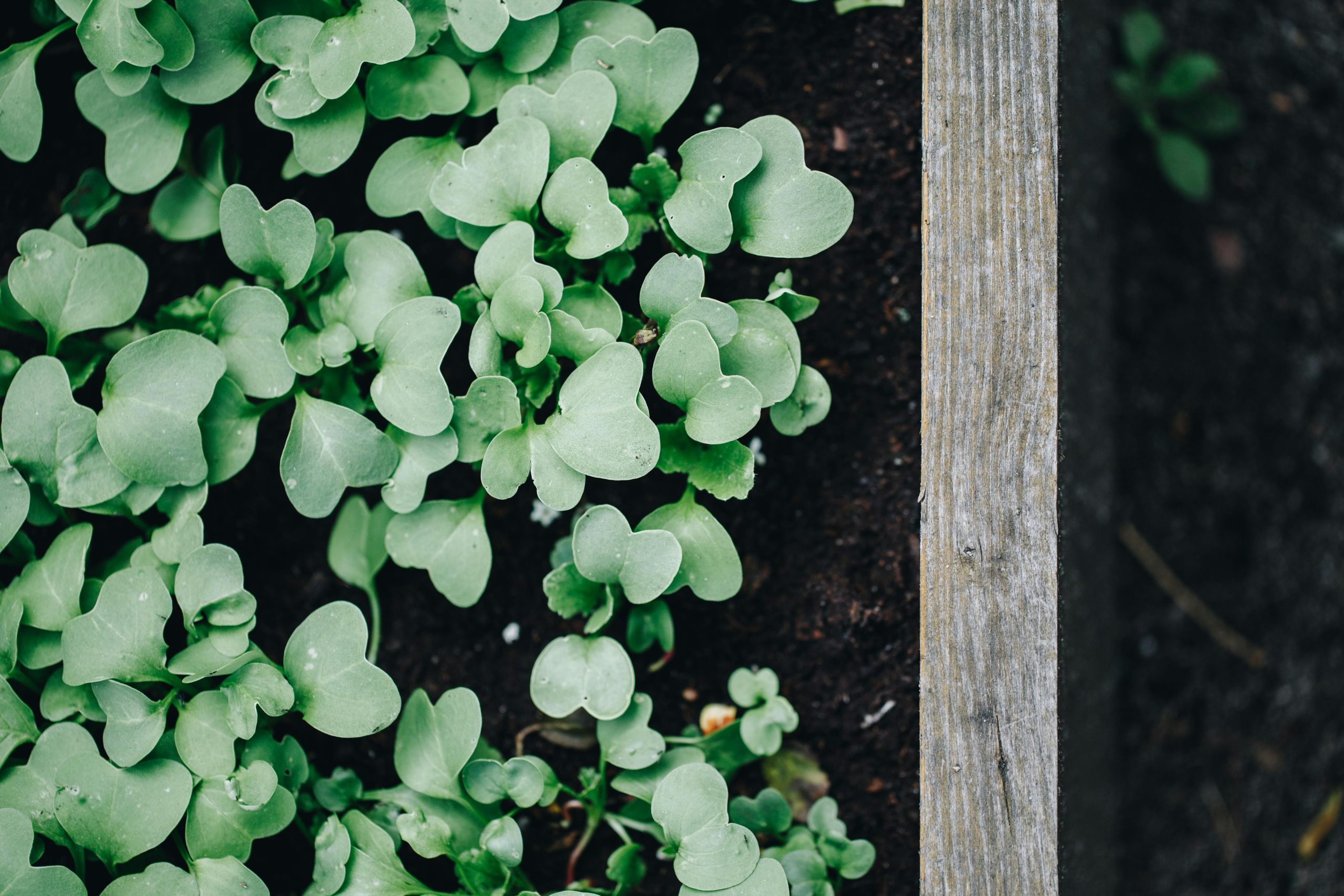
Useful pest control tips can help raised beds stay cleaner, healthier, and easier to manage throughout the growing season. While raised beds bring better structure and organization, they don’t prevent pests on their own. Insects can still move in quickly, especially when plants are tender, crowded, or under stress.
Plant health educators, crop specialists, and experienced growers often explain that effective raised bed pest control starts with observation and prevention. Acting too quickly without checking the problem can waste effort and sometimes stress the plants further. These pest control tips focus on simple habits that help protect vegetable plants, reduce pest pressure, and keep raised beds productive.
Why pest control tips matter in raised beds
Raised beds bring plants closer together in a smaller space. This can make watering, harvesting, and soil care easier, but it also means pest problems can spread more quickly once they begin. A small cluster of insects on one side of the bed can move across nearby plants faster than expected.
Researchers studying home food gardening often note that dense planting, repeated crop cycles, and steady new growth can attract pests when conditions are right. Healthy plants may tolerate minor pressure, but stressed ones can decline quickly. That’s why pest control tips are important—they help gardeners respond early, before small issues become larger problems.
At the same time, raised beds offer a clear advantage: they’re easier to observe. Their compact layout makes it simpler to spot changes and act quickly.
Check leaves often for the first signs of raised bed pests
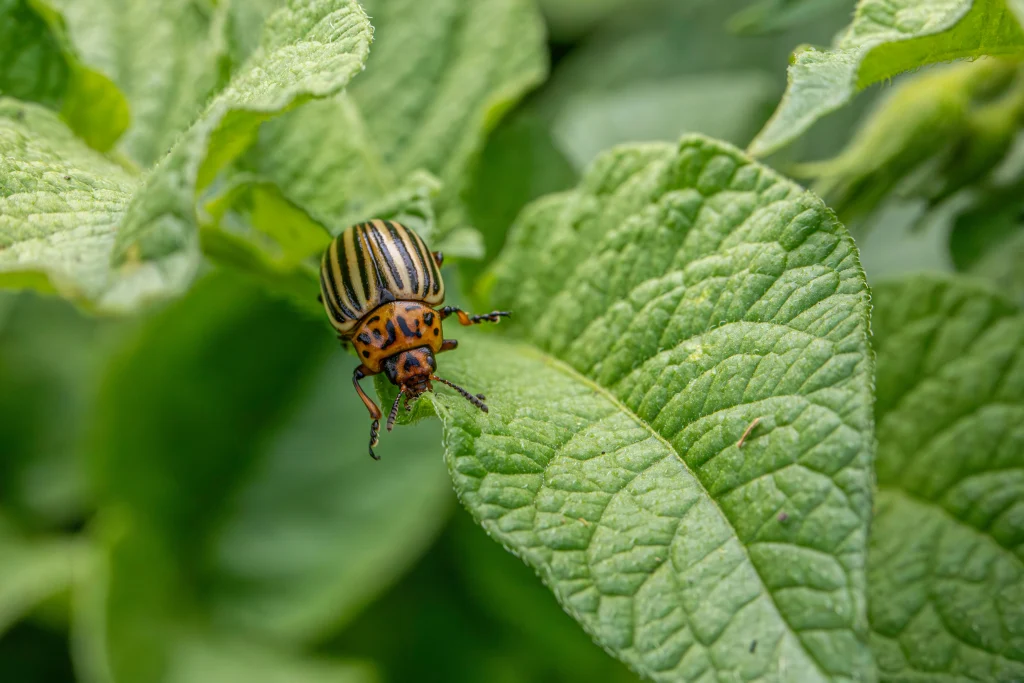
One of the most effective pest control habits is regular inspection. Raised beds are usually accessible from all sides, making it easier to look closely at leaves, stems, and new growth. These are often the first places where insects, eggs, or damage appear.
Crop educators often suggest checking plants during routine tasks like watering, harvesting, or a quick morning walk through the garden. Early signs—such as small holes in leaves, curled edges, sticky residue, or clusters of insects—are much easier to manage when caught early. Waiting until plants look weak usually means the issue has already spread.
Pest control works best when observation becomes part of the regular routine rather than a separate task. In raised beds, that routine is easier to maintain because everything is within reach and easy to see.
Credit: Erik Karits / Pexels
Credit: Aleksander Dumała / Pexels
Support Strong Plants So They Handle Light Pest Pressure Better
No pest control method works well if the plants are already under strain from other problems. Raised beds with uneven moisture, weak soil, or repeated stress often produce crops that are less able to recover from insect feeding. One of the more important pest control tips is supporting the full health of the bed so plants stay resilient.
Soil educators and vegetable specialists often explain that healthy plants tolerate minor damage more effectively than weak ones. Compost, mulch, steady watering, and sensible spacing all contribute to stronger growth. These habits do not remove every pest, but they often reduce the impact pests can have.
To protect vegetable plants well, gardeners need to think beyond the insect alone. Raised bed pest control works best when plant health and pest management are treated as part of the same system.
Start With the Least Harsh Response First
When action becomes necessary, one of the wisest pest control tips is starting with the smallest useful step. Hand removal, trimming damaged leaves, washing certain pests off with water, or using simple physical barriers may be enough in early stages. Jumping immediately to stronger treatment may disturb the bed more than needed.
Crop care educators often suggest matching the response to the level of the problem. A few insects on a small section of one plant may not need the same action as a wide and fast-moving outbreak. Careful response saves time and helps raised bed pest control stay measured instead of reactive.
Gardeners often get better results when they adjust gradually and keep watching the bed. This supports a calmer, more accurate approach across the season.
Keep Notes on Repeated Pest Patterns in the Bed
Some beds attract the same problems year after year, especially if similar crops are planted in the same place and conditions remain unchanged. One of the most useful pest control tips is keeping short notes on where pest damage appeared, when it started, and which crops were affected most. These patterns often reveal what needs to change in the next season.
Garden planners often recommend using simple notes for crop rotation, timing, and repeated weak points in the layout. Even a short record can help gardeners identify when raised bed pests are most likely to appear and whether specific crops need a different position or protection strategy next time.
Raised bed gardening becomes easier when each season teaches the next one. Notes turn repeated frustration into a chance to improve the system over time.
Frequently Asked Questions
Q: What are the best pest control tips for raised beds?
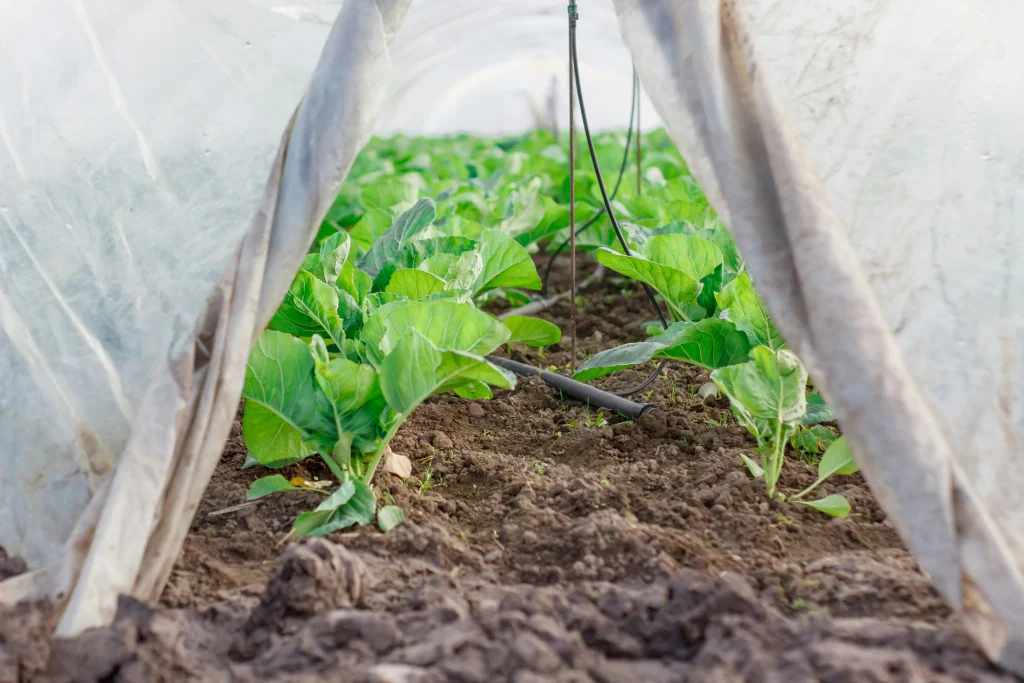
A: Some of the best pest control tips for raised beds include checking leaves often, keeping the bed clean, avoiding overcrowding, using covers for young crops, and starting with gentle responses first. These habits help reduce pest pressure without adding unnecessary stress.
Q: Why do raised bed pests spread quickly sometimes?
A: Raised bed pests may spread quickly because plants are often close together and tender growth is easy to reach. When beds are crowded or not checked often, small problems may become larger ones faster.
Q: How can gardeners protect vegetable plants without harsh action?
A: Gardeners can protect vegetable plants by checking beds regularly, improving spacing, cleaning debris, using row covers, and supporting strong overall plant health. Early action often reduces the need for stronger treatment later.
Q: Is garden pest control easier in raised beds?
A: It can be easier because raised beds are often more accessible and simpler to inspect closely. That makes it easier to notice damage early and respond before pests spread widely.
Key Takeaway
These pest control tips show that raised beds stay healthier when pests are managed with observation, prevention, and steady care. Regular inspections, clean beds, proper spacing, protective covers, and strong plant health all support better raised bed pest control. Starting with gentle action and keeping notes also helps gardeners protect vegetable plants more effectively over time. For most growers, the best pest control tips are the ones that catch problems early and keep the bed balanced through the season.
[INTERNAL LINKING SUGGESTIONS]
- Soil Tips That Help Raised Beds Stay Productive for Longer
- Water Saving Tips That Help Raised Beds Hold Moisture More Effectively
- Growing Hacks That Help Small Backyard Gardens Use Space Better
Leave a Reply