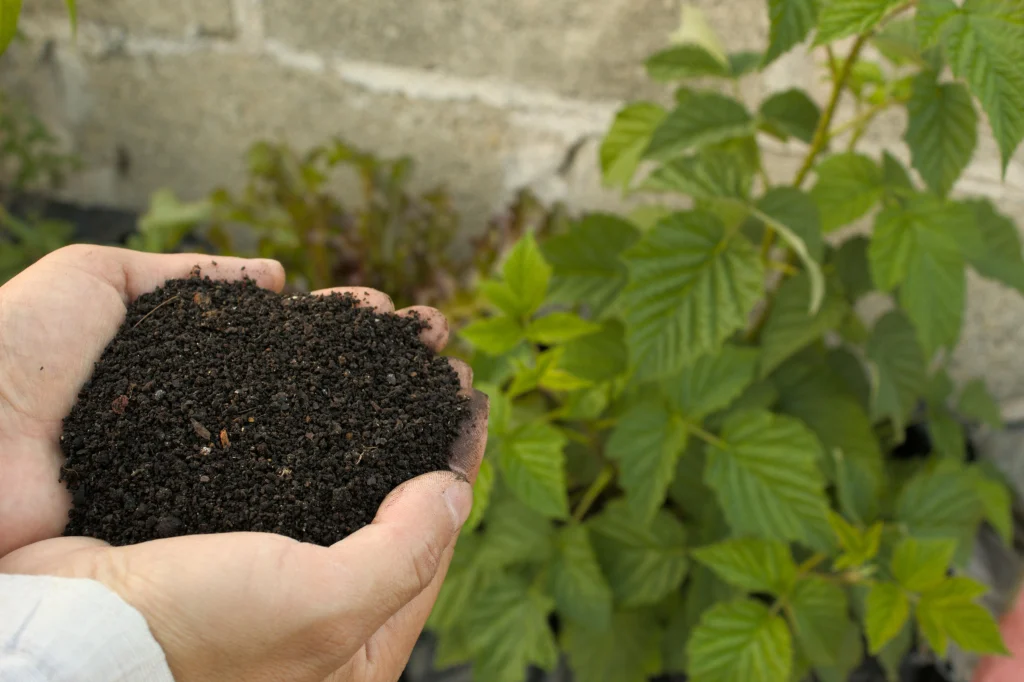

Soil educators, garden specialists, and experienced growers often explain that spring success starts below the surface. Healthy soil supports roots, manages moisture, and creates better conditions for seeds and seedlings. These soil tips focus on simple ways to improve structure, refresh beds after winter, and make spring soil prep more effective without adding unnecessary complexity.
Why soil tips matter after winter weather
Winter changes soil in subtle but important ways. Rain can compress the surface, cold slows soil life, and uncovered beds may lose structure or protective organic layers. Even gardens that finished the previous season in good shape often need some attention in early spring.
Researchers who study soil systems often note that strong structure and organic matter support better root growth and more stable moisture. When soil becomes hard, crusted, or uneven, plants may struggle to establish early. A little care at the start helps restore a more workable and supportive environment.
Spring soil prep is less about making the bed look perfect and more about restoring how it functions. When the soil is in better condition, planting and watering decisions tend to become easier throughout the season.
Check soil condition before starting spring soil prep
One of the most useful steps is to check the soil before digging or planting. If it still feels sticky, heavy, or waterlogged, it may not be ready to work. Handling soil too early can damage its structure and make it harder for plants to grow later on.
Soil educators often suggest a simple hand test. Take a small handful—if it forms a tight, wet clump and stays muddy, it likely needs more time to dry. If it crumbles more easily and feels workable, it’s closer to being ready.
Healthy soil responds better when gardeners wait for the right moment rather than rushing into early work. Getting the timing right at this stage can support better results for the rest of the season.
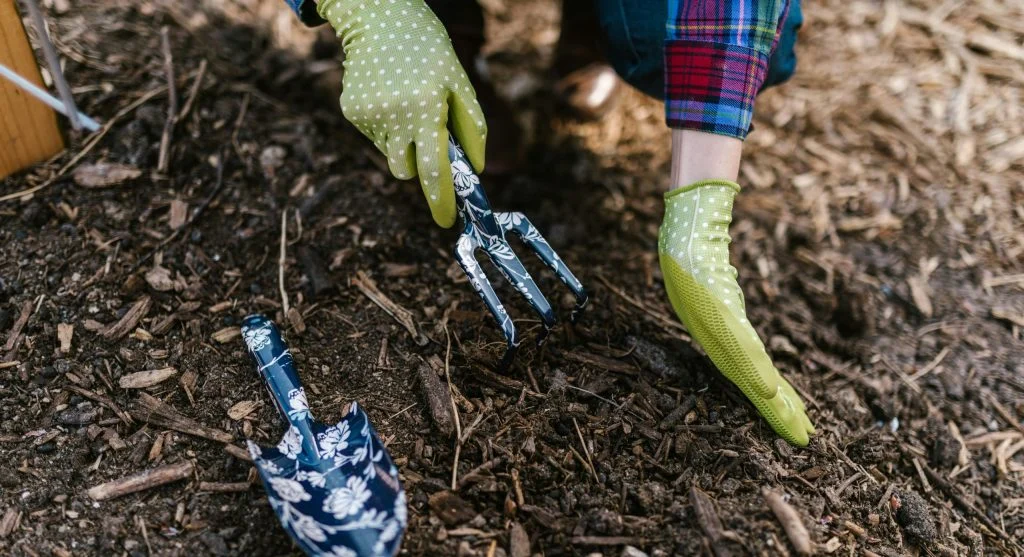
 Credit: Helena Lope / Pexels
Clear Surface Debris Without Stripping the Bed Bare
Another important set of soil tips involves cleanup. Winter often leaves behind broken stems, compacted mulch, dead leaves, and old plant material that no longer supports the bed well. Removing what is damaged or no longer useful can help make the surface easier to read and easier to prepare for planting.
Garden specialists often explain that cleanup should be balanced. The goal is not to scrape the bed empty, but to remove what is interfering with new growth or creating disorder. A light organic layer that still protects the soil may remain helpful, while moldy, matted, or heavy debris may need to be cleared away.
Healthy garden soil usually benefits from thoughtful cleanup rather than harsh removal. This keeps the bed protected while also opening it for fresh compost, mulch, or planting work.
Add Compost to Improve Soil Structure Gradually
One of the strongest soil tips for spring is adding compost to help restore organic matter after winter. Compost can improve soil structure by supporting better moisture balance, loosening heavy areas, and encouraging more active soil life near the root zone. It also helps prepare the bed for new planting without forcing sudden change.
Soil specialists often recommend spreading compost across the top of the bed and mixing it lightly where appropriate. In many home gardens, a moderate amount used consistently works better than large heavy additions all at once. This helps gardeners improve soil structure gradually and keep the bed more balanced over time.
Spring soil prep often becomes more successful when compost is treated as a steady habit instead of a quick fix. A refreshed top layer can make a noticeable difference as the season begins.
Protect Healthy Garden Soil From Early Compaction
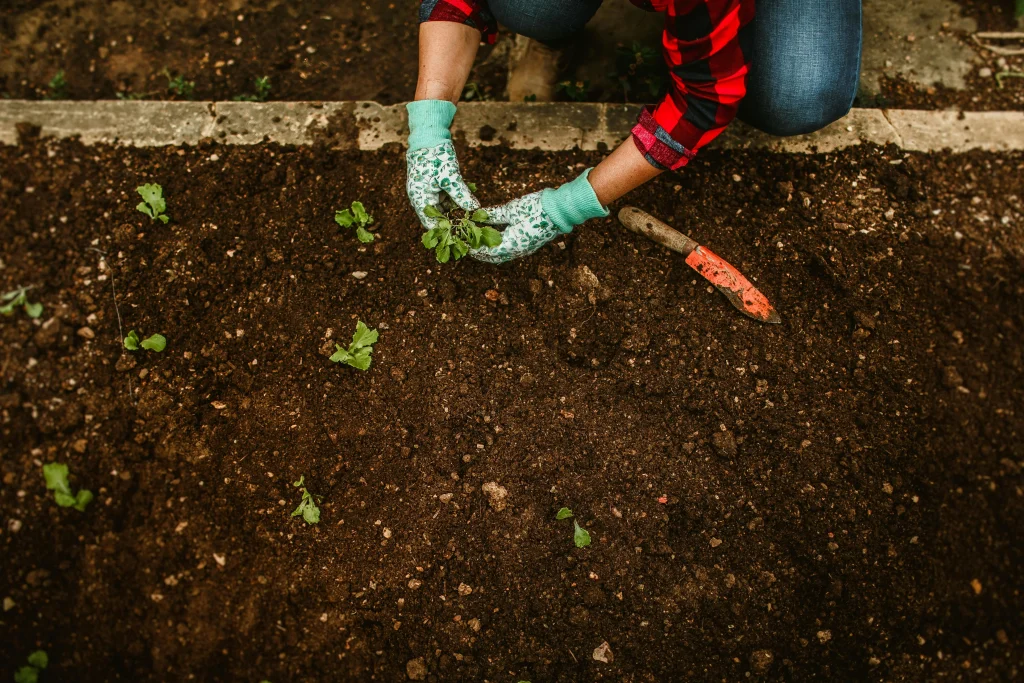
After a wet winter, soil can be especially vulnerable to compaction from walking, digging, or repeated pressure in the wrong places. One of the more practical soil tips is protecting the growing area while the bed is still recovering. Even a few extra steps in the wrong place can tighten the soil and reduce air movement for roots.
Garden educators often recommend working from the sides of the bed where possible and keeping clear paths separate from planting zones. If the bed needs early work, gentle handling usually supports better long-term results than heavy turning or aggressive stepping into the planting area.
To improve soil structure, it helps to protect what is already present. Spring is often the best time to prevent compaction before roots begin to fill the bed again.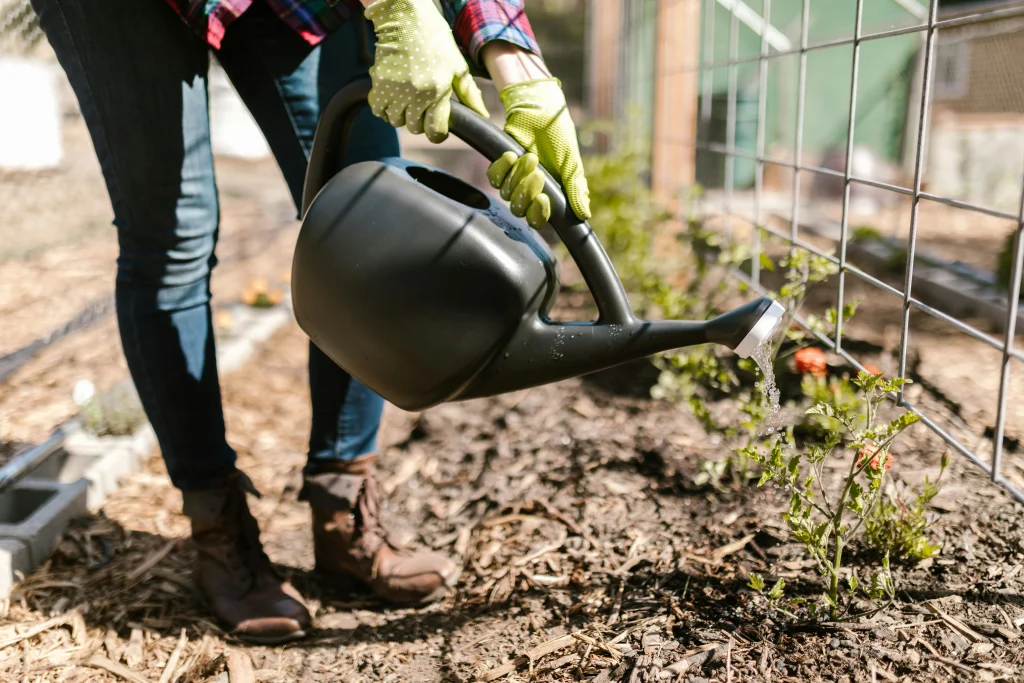
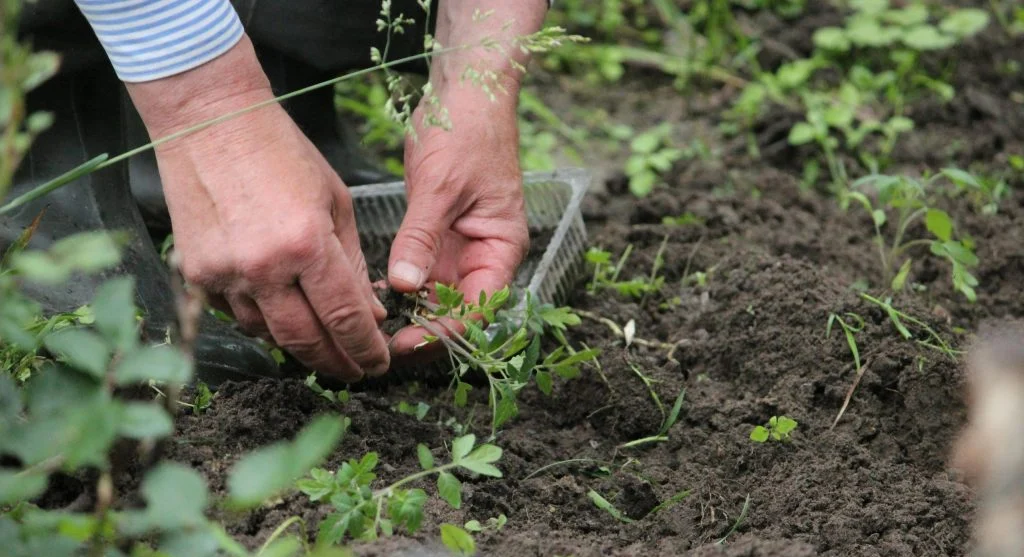
Credit: RDNE Stock / Pexels
Use Mulch Thoughtfully as the Season Begins
Mulch can be helpful after winter, but one of the better soil tips is knowing how much to keep, remove, or refresh as spring begins. A mulch layer that is too thick and wet may slow warming in some beds, while bare soil may dry too quickly once temperatures rise. The right balance depends on local weather and how the bed handled winter conditions.
Soil care specialists often suggest replacing compacted or broken-down mulch with a lighter, cleaner layer once planting time approaches. This can help protect healthy garden soil from drying and reduce surface crusting after spring rain. It also keeps the bed more stable as temperatures begin to change more quickly.
Spring soil prep works best when mulch is used as a support tool rather than an afterthought. It should help the soil recover, not smother it or leave it exposed too early.
Watch Drainage Patterns Before Planting Heavily
One of the more overlooked soil tips is observing how water moves through the garden in early spring. Some spots may drain quickly, while others stay wet for too long after rain. These patterns often become easier to see before crops fully fill the bed, which makes spring a good time to pay attention.
Soil and garden planners often recommend noting where puddles form, where the soil stays cold longer, and where the bed dries first. These clues help gardeners decide where compost may help most, where crops may need different placement, and which areas are ready earlier than others. Observation often improves the whole growing layout.
To improve soil structure and planting success, it helps to understand how the bed behaves in real conditions. Small notes about drainage can guide better choices for the rest of the year.
Feed the Soil Before Expecting Fast Plant Growth
Spring often creates pressure to plant quickly, but one of the smartest soil tips is giving the bed a little support before expecting major growth from it. Healthy garden soil often needs time to wake up, rebalance, and respond to improved conditions after winter. Compost, light cleanup, careful handling, and moisture protection all contribute to that recovery.
Crop specialists often explain that gardeners sometimes focus too quickly on plant feeding while skipping soil support. In many backyard beds, feeding the soil first can create better root conditions and more stable plant growth through the season. This does not need to be a complicated system. It usually comes down to consistency and patience.
Spring soil prep becomes more effective when the bed is treated as a living system that needs recovery time. Stronger soil usually leads to stronger plant performance later.
Keep Notes on What Helped the Bed Recover Best
Every backyard garden responds to winter in its own way. Some beds hold too much moisture, some dry out fast once the weather shifts, and some need more compost than others. One of the most practical soil tips is keeping short notes on which steps actually helped the bed recover well.
Garden educators often recommend noting cleanup timing, compost use, mulch changes, drainage problems, and the first signs that the bed felt ready for planting. These records do not need to be detailed. A few clear observations can improve spring soil prep more than memory alone in the next season.
Healthy garden soil is built over time. Notes help turn one spring of experience into better decisions for the next one and make future soil care more accurate.
Frequently Asked Questions
Q: What are the best soil tips for spring garden recovery?
A: Some of the best soil tips include checking soil condition before working the bed, clearing damaged debris, adding compost, protecting against compaction, and watching drainage patterns. These steps help prepare beds more effectively after winter.
Q: How can gardeners improve soil structure after winter?
A: Gardeners often improve soil structure after winter by adding compost, avoiding work in overly wet beds, using mulch thoughtfully, and reducing pressure on planting areas. Gradual care usually works better than aggressive digging.
Q: Why is healthy garden soil important before spring planting?
A: Healthy garden soil supports root growth, moisture balance, and better germination or transplant success. A stronger soil base usually makes the whole growing season easier to manage.
Q: Should spring soil prep begin as soon as the weather warms up?
A: Not always. Spring soil prep works best when the soil is actually ready to be handled, not just when the air feels warmer. Wet or compacted beds may need more time before they should be worked.
Key Takeaway
These soil tips show that better spring growth often begins with patient bed recovery after winter. Checking soil condition, clearing damaged debris, adding compost, protecting healthy garden soil from compaction, and observing drainage can all improve soil structure before planting begins. Thoughtful mulch use and simple notes also strengthen future spring soil prep. For many gardeners, the best soil tips are the ones that help the bed recover steadily before expecting fast growth from it.
[INTERNAL LINKING SUGGESTIONS]
- Farm Life Tips That Help Backyard Growers Prepare Better for Spring Work
- Planting Tips That Help Backyard Seeds and Seedlings Start More Strongly
- Water Saving Tips That Help Raised Beds Hold Moisture More Effectively