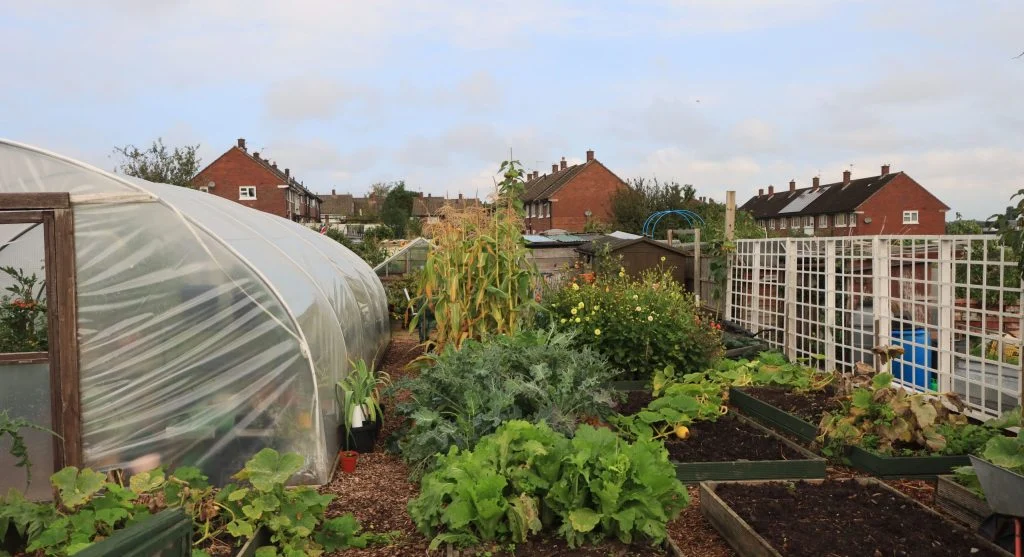

Useful garden tips can help backyard growers make better use of sunny and shady spots instead of treating the whole yard like one single growing condition. Many home gardens have changing light across the day. One corner may get strong morning sun, another may receive hot afternoon light, and another may stay partly shaded for hours because of a fence, wall, tree, or nearby structure. Those differences matter more than many gardeners expect.
Garden educators, crop planners, and experienced home growers often explain that better crop placement can solve problems before they begin. A plant placed in the wrong kind of light may grow slowly, dry out faster, or struggle to produce well even when the gardener is doing everything else right. These garden tips focus on understanding backyard garden sunlight, reading garden shade patterns, and using each part of the yard more wisely through better planning.
Why Garden Tips Matter for Sun and Shade Planning
It is common for gardeners to choose crops first and place them wherever there is open space. That often works for a while, but uneven light usually becomes more important as the season develops. A bed that looked sunny in one part of the day may turn shaded later, while another bed may become much hotter than expected by midafternoon. When crops do not match those conditions, the bed often becomes harder to manage.
Researchers who study home garden performance often note that light patterns affect growth speed, watering needs, plant stress, and harvest quality. This is why garden tips about sunlight and shade matter so much. The same yard can contain several growing environments, and each one may suit different crops better.
Better crop placement often makes the whole garden easier to understand. Once the gardener knows how the light moves, many later decisions become simpler and more accurate.
Watch the Yard at Different Times Instead of Only Once
One of the strongest garden tips is checking the yard more than one time before deciding where crops should go. A space that looks bright at 9 in the morning may be shaded by noon. Another area may feel mild early in the day but become very hot later. If gardeners only observe the light once, they may misread the whole bed.
Garden planners often suggest checking the same space in morning, midday, and late afternoon across several days. This gives a clearer idea of whether the bed receives full sun, partial sun, or shifting light that changes the way crops perform. Even simple notes on paper can make these patterns much easier to remember later.
Backyard garden sunlight is usually more complex than it first appears. Better observation often leads to better planting choices before any seed or transplant goes in.
Place Fruiting Crops in the Strongest Light Areas
Another of the most useful garden tips is saving the brightest spaces for crops that need stronger sun to produce well. Tomatoes, peppers, cucumbers, squash, and similar fruiting crops often perform best when they receive long hours of direct light. If these plants are pushed into a partly shaded area, they may still grow, but they often become less productive or slower than expected.
Crop educators often explain that fruiting plants use a great deal of energy and benefit from stronger light. This does not mean every sunny spot must be used only for them, but it does mean they often deserve priority in the brightest beds. When the strongest light is used wisely, the whole garden usually performs better.
Better crop placement often begins by asking which plants need the best sunlight most. Fruiting crops are often near the top of that list in backyard gardens.
Use Partial Shade for Crops That Prefer Milder Conditions
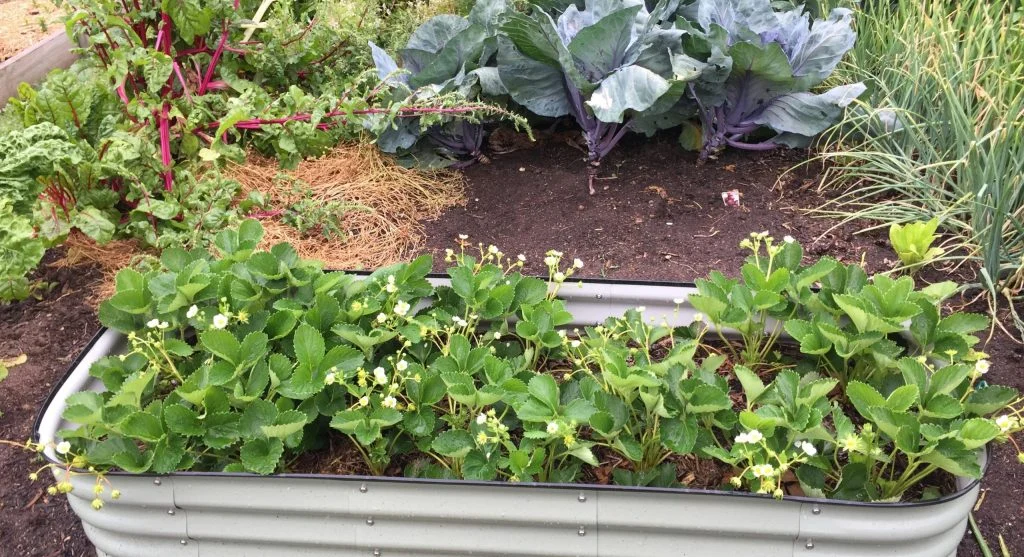
One of the smarter garden tips is seeing partial shade as useful space rather than weak space. Some crops actually benefit from milder light, especially during hotter months. Leafy greens, herbs, and certain cool-sensitive plants may stay more comfortable when they are protected from the hardest afternoon sun.
Garden educators often note that light shade can reduce stress, slow wilting, and help some tender crops stay usable for longer. This is especially helpful in warmer weather when a bed in full afternoon sun may become too harsh for softer leafy plants. Instead of fighting those conditions, the gardener can use them more intelligently.
Garden shade patterns are not always a problem to solve. In many yards, they are a tool that helps certain crops perform better.
Pay Attention to Afternoon Heat, Not Only Total Sun
One of the more overlooked garden tips is noticing the difference between gentle morning sun and strong afternoon exposure. Two beds may get similar total light, but one may stay much easier to manage because its brightest hours happen earlier in the day. The bed with strong late heat may dry faster and place more stress on the crops growing there.
Soil and crop specialists often explain that afternoon sun often affects watering needs, leaf stress, and soil temperature more strongly than many gardeners expect. This matters when deciding where to place tender crops, where mulch needs to be heavier, and which beds may need closer attention during warmer weeks.
Backyard garden sunlight is not only about how much light a bed gets. It is also about when that light arrives and how intense it feels during the hottest part of the day.
Use Taller Crops Carefully So They Do Not Create New Problems
One of the best garden tips for small spaces is remembering that plants can create shade just like fences and walls do. Tall tomatoes, climbing beans, corn, and other vertical crops may cast useful shade in one situation and harmful shade in another. If they are placed carelessly, they may block light from lower crops that need more of it.
Garden planners often recommend thinking about plant height before the bed fills in. Taller crops are often easier to manage at the back or on one side where they will not shade the whole bed too heavily. This makes the layout easier to read and helps each crop get more suitable conditions as it matures.
Better crop placement does not only respond to the yard. It also responds to what the gardener is putting into the yard and how those plants will shape the light later.
Match Watering Habits to the Light Pattern
One of the more practical garden tips is adjusting watering according to sun and shade conditions instead of treating all beds the same. A bed in strong sun usually dries faster than one with partial shade, and crops growing there may need closer soil checks. A shaded bed may hold moisture longer and need a calmer watering routine.
Water educators often explain that light pattern and moisture pattern usually work together. When gardeners understand both, they make fewer guess-based decisions. This often reduces waste and helps the beds stay more stable through changing weather.
Backyard garden sunlight affects much more than growth speed. It also shapes how water moves, how fast soil dries, and how closely the bed needs to be watched.
Keep Notes on Which Crops Performed Best in Each Spot
One of the strongest garden tips for long-term success is keeping simple records about which crops performed best in which light conditions. Some herbs may thrive in light shade, one bed may become the best place for peppers, and another may work better for greens after midsummer heat begins. These patterns become easier to use when they are written down.
Garden educators often suggest noting crop type, season, light conditions, and how the plant responded. These notes do not need to be detailed to help. Even short records can improve future planning and make each season’s layout more accurate.
Garden shade patterns and sunny zones become much more useful once the gardener has learned which crops really fit them. Notes turn one season of guessing into a stronger plan for the next one.
Frequently Asked Questions
Q: What are the best garden tips for sunny and shady backyard spots?
A: Some of the best garden tips include checking the yard at different times of day, placing fruiting crops in the brightest beds, using partial shade for milder crops, watching afternoon heat, and keeping notes on which crops perform best in each area.
Q: Why does backyard garden sunlight matter so much?
A: Backyard garden sunlight matters because it affects plant growth, soil moisture, crop stress, and harvest quality. A plant placed in the wrong kind of light may struggle even if other care is good.
Q: How can gardeners use garden shade patterns more wisely?
A: Gardeners can use garden shade patterns more wisely by matching crops to the kind of shade they receive, especially during warm months when light afternoon protection may help some plants perform better.
Q: What helps with better crop placement in small backyard gardens?
A: Better crop placement usually comes from watching how light moves through the yard, noticing which beds get the strongest or gentlest sun, and planning plant height so one crop does not block another too heavily.
Key Takeaway
These garden tips show that a backyard garden often works better when sunny and shady spots are treated as different growing spaces instead of one single area. Watching backyard garden sunlight, understanding garden shade patterns, planning for afternoon heat, and using better crop placement all help the whole yard become more useful. Taller crops and watering habits also need to match those light conditions. For many gardeners, the best garden tips are the ones that help every part of the yard grow the right crop in the right light.