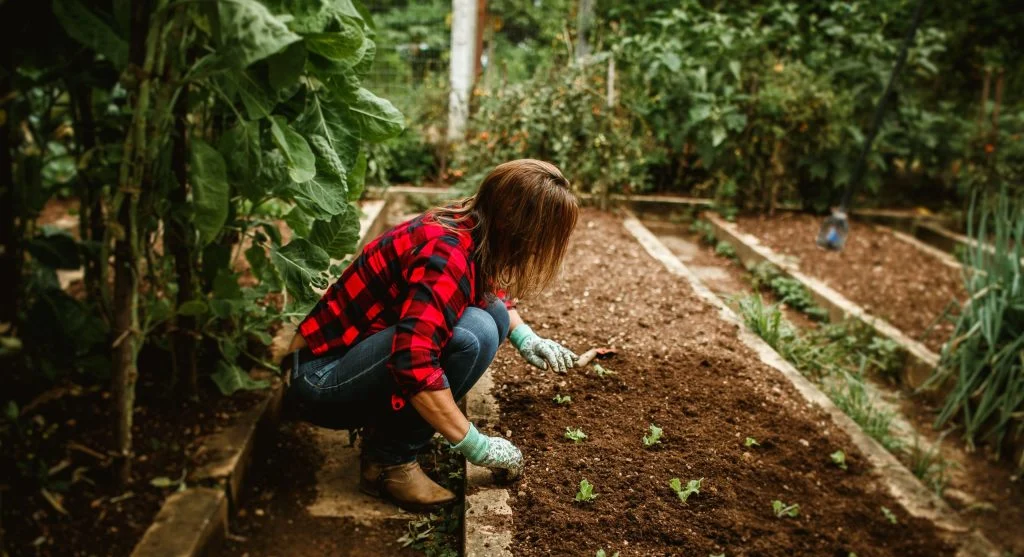

Useful planting tips can help backyard garden transplants settle faster after they are moved outdoors. A seedling may look healthy in a tray or small pot, but that does not always mean it will adjust quickly once it faces open soil, stronger sunlight, changing wind, and wider temperature swings. Many young plants slow down not because they are weak, but because the move outdoors was more stressful than it needed to be.
Garden educators, transplant specialists, and experienced home growers often explain that moving seedlings outdoors is one of the most important transition stages in the garden. When that move is handled carefully, early growth usually becomes steadier and the bed is easier to manage. These planting tips focus on how to reduce transplant shock, support transplant garden care, and help young plants settle into outdoor beds with fewer setbacks.
Why Planting Tips Matter for Outdoor Transplants
Seedlings raised in trays, pots, or protected spaces often grow in a calmer environment than the garden bed. Light may be softer, wind may be lower, and moisture may stay more even. Once those plants are moved outside, their leaves, stems, and roots must adjust all at once. That is why even strong-looking seedlings sometimes pause after planting.
Researchers who study crop establishment often note that the first days after transplanting affect later growth more than many gardeners realize. A plant that settles quickly often roots more deeply and resumes growth sooner. A plant that faces unnecessary stress may sit still for days or even weeks. This is why planting tips matter so much during transplanting. Good movement into the bed often shapes the whole early season.
Transplant garden care works best when the gardener treats planting day as a transition process, not just a simple move from container to soil.
Harden Plants Off Before Moving Seedlings Outdoors
One of the strongest planting tips is making sure seedlings have time to adjust before they are planted into the bed. Plants raised in sheltered conditions often need a short period of outdoor exposure before they can handle full garden conditions well. This process helps leaves and stems become better prepared for brighter light, wind, and wider temperature changes.
Garden educators often recommend increasing outdoor exposure gradually over several days instead of putting tender seedlings into full conditions all at once. Starting with shorter periods in a protected spot and slowly increasing the time often helps reduce transplant shock. It also gives the gardener a chance to notice which plants still seem too soft or stressed for full planting yet.
Moving seedlings outdoors successfully often starts before planting day itself. A slower adjustment period usually creates a steadier first week in the bed.
Prepare the Bed Before the Seedlings Leave Their Containers
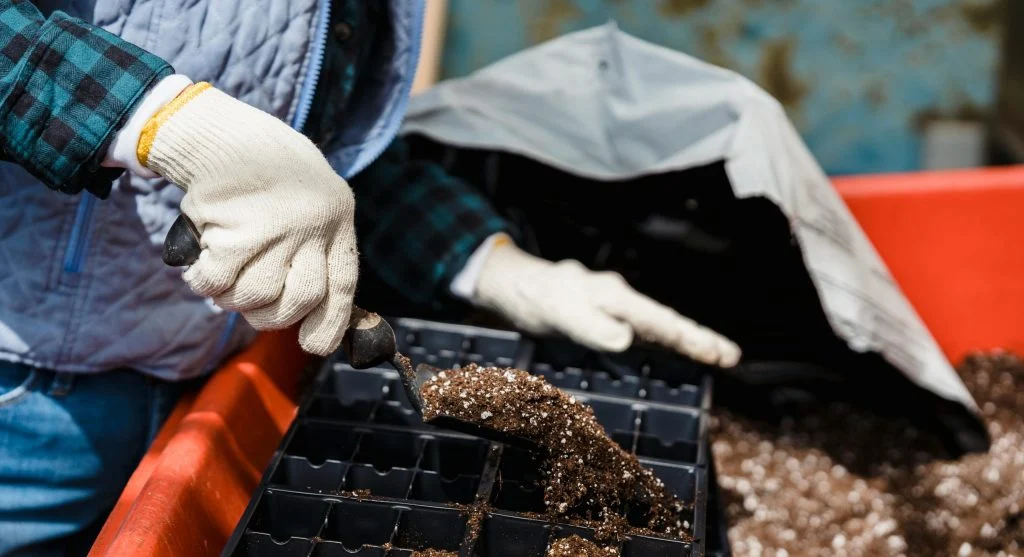
Another of the most useful planting tips is getting the bed ready before removing a single transplant from its pot or tray. Young plants lose moisture quickly once their roots are exposed, so delays during planting often create avoidable stress. A prepared bed helps the whole job move faster and more smoothly.
Soil educators often suggest loosening the surface gently, clearing debris, checking spacing, and making planting holes in advance. If compost or mulch is part of the plan, those materials should be ready nearby before transplanting starts. This keeps the seedlings from sitting exposed while the gardener is still preparing the space.
To reduce transplant shock, it helps to make sure the bed is waiting for the plant rather than the plant waiting for the bed.
Plant During Mild Conditions Instead of Harsh Hours
One of the smartest planting tips is choosing a calmer time of day for transplanting. Midday heat, strong wind, and harsh direct sun often increase transplant stress because the roots have not yet settled into the surrounding soil. Late afternoon, early evening, or a mild cloudy period often gives seedlings a better start.
Plant specialists often explain that young plants usually handle the move better when they are not immediately pushed into the hardest outdoor conditions. Softer light and cooler air give roots more time to reconnect with the bed before the next demanding period begins. This is especially helpful for leafy crops, herbs, and tender vegetables.
Moving seedlings outdoors becomes easier when the weather helps instead of fights the process. Timing is often one of the simplest ways to support better results.
Water the Planting Hole and the Root Zone Carefully
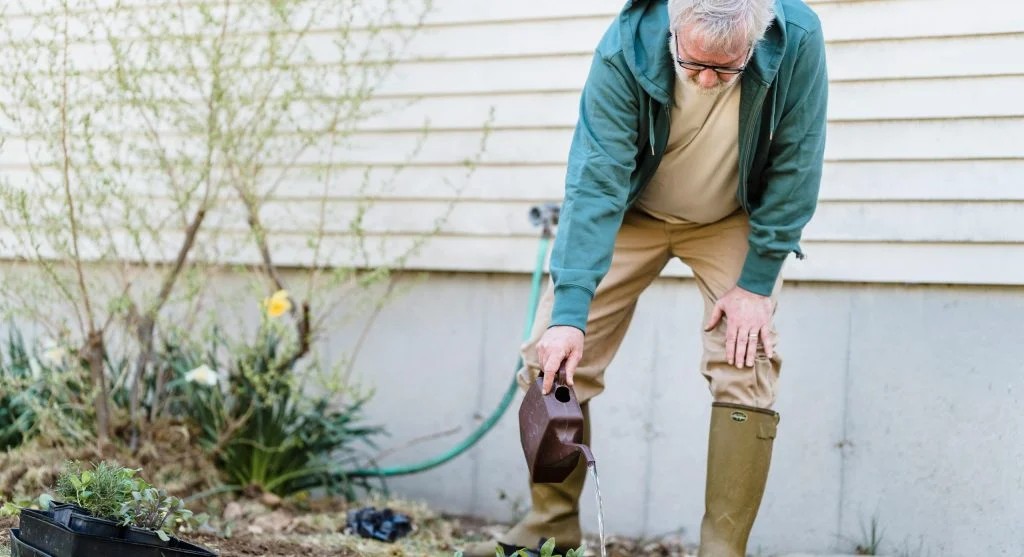
One of the more practical planting tips is thinking about moisture before, during, and right after planting. Dry ground around a transplant may pull moisture away from the root ball too quickly, especially in warm weather. A little preparation with water often makes a big difference.
Water educators often recommend moistening the planting zone before setting in the transplant, then watering again gently once the soil is closed around the roots. The goal is not to flood the bed, but to create steady contact between the root ball and surrounding soil. This helps reduce transplant shock and gives the plant a better chance to settle without an early stall.
Transplant garden care often improves when water is used to support root contact instead of only responding after leaves begin to wilt.
Handle the Seedling by the Root Ball, Not the Stem
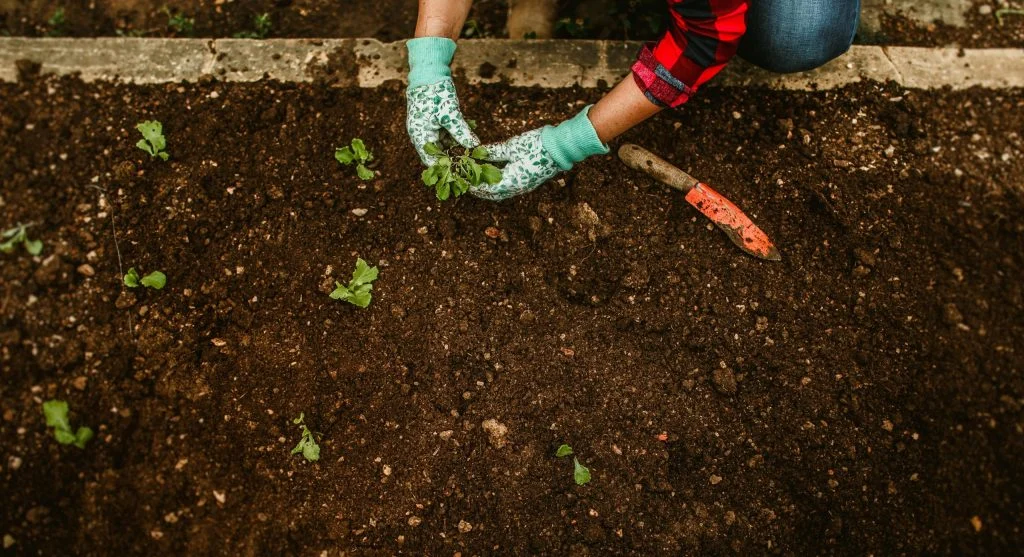
One of the best planting tips for young plants is avoiding rough handling during the move. Tender stems and leaves can bruise or bend easily, and root disturbance may increase the time it takes the transplant to recover. The less unnecessary handling a seedling experiences, the better it often performs after planting.
Garden educators often recommend holding the container or the root mass as gently as possible rather than grabbing the stem directly. A careful move from pot to planting hole often helps protect the parts of the plant that are still adjusting to outdoor conditions. This matters especially with softer seedlings that have not yet thickened up fully.
Moving seedlings outdoors is often more successful when the plant is handled like something still adjusting, not like something already established and sturdy.
Use Mulch or Light Protection to Ease the First Days
One of the more overlooked planting tips is helping the transplant through its first days in the bed, not assuming the job ends once the soil is pressed in place. Mulch can help keep moisture more even around the root zone, and temporary light protection may help some tender plants during the first day or two in harder weather.
Soil and crop educators often explain that the first few days are when most transplant stress becomes visible. Leaves may droop slightly, color may dull, or growth may pause. A protected root zone and calmer surroundings often help the plant recover faster and resume normal growth sooner.
To reduce transplant shock well, gardeners often need to support the space around the plant as much as the plant itself.
Check Recovery, Not Only First-Day Appearance
One of the strongest planting tips after transplanting is watching how the plant recovers over the next few days instead of judging success by the first hour. A seedling may droop lightly on planting day and still recover well by the next morning. Another may look fine at first and then begin struggling later if roots are not settling well.
Garden educators often suggest checking leaf firmness, soil moisture, and new growth over several days. This gives a better picture of whether the plant is actually establishing or only surviving the first day. These checks help the gardener respond earlier if one part of the bed needs more attention than another.
Transplant garden care usually works best when recovery is watched as a short process instead of a one-time event.
Keep Notes on Which Transplants Settled Best
One of the smartest planting tips for future success is recording what worked. Some crops may settle faster with evening planting, some may need extra hardening-off time, and some may respond better to a certain part of the yard. These patterns are easy to miss if they are not written down.
Garden educators often recommend short notes about crop type, planting weather, recovery speed, and any signs of stress. These notes help improve future decisions and make each next round of moving seedlings outdoors more accurate. Over time, the gardener learns what helps reduce transplant shock most effectively in that specific yard.
Good planting often gets better from season to season because the gardener remembers what helped the plants settle fastest. Notes make that learning easier to keep.
Frequently Asked Questions
Q: What are the best planting tips for outdoor transplants?
A: Some of the best planting tips include hardening seedlings off first, preparing the bed early, planting in mild conditions, watering carefully, handling the root ball gently, and checking recovery during the first few days. These habits help transplants settle faster outdoors.
Q: Why is moving seedlings outdoors stressful for plants?
A: Moving seedlings outdoors is stressful because plants must adjust to stronger sun, wind, wider temperature changes, and open soil conditions all at once. That transition often slows growth if it is rushed.
Q: How can gardeners reduce transplant shock in backyard beds?
A: Gardeners can reduce transplant shock by hardening plants off, planting at a calmer time of day, keeping moisture steady around the roots, and protecting the seedlings from extra stress during the first days after planting.
Q: What matters most in transplant garden care after planting day?
A: What matters most is watching recovery, not only first-day appearance. Soil moisture, leaf firmness, and the return of steady growth usually show whether the transplant is settling well.
Key Takeaway
These planting tips show that outdoor transplants usually settle faster when the move is handled as a careful transition instead of a rushed task. Hardening off, bed preparation, mild planting conditions, steady watering, gentle handling, and close follow-up all help reduce transplant shock and support stronger transplant garden care. Simple notes improve future planting decisions too. For many gardeners, the best planting tips are the ones that help young plants feel ready for the garden instead of shocked by it.