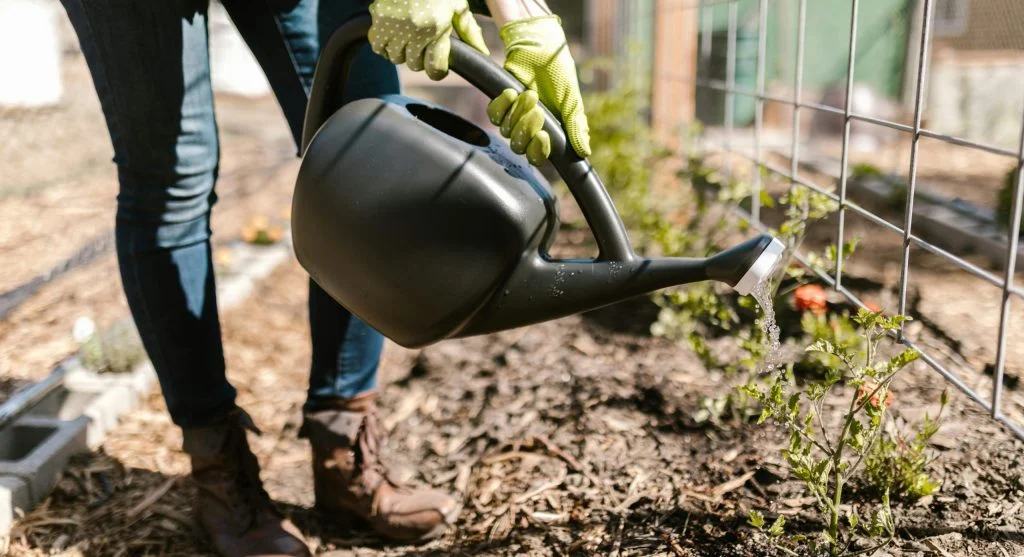

Useful water saving tips can help backyard gardeners water newly mulched beds more accurately instead of assuming the old routine still works. Mulch often helps garden beds hold moisture, reduce evaporation, and stay more balanced during warm weather. But once a fresh mulch layer is added, the bed may look, feel, and respond differently than it did before. If the watering routine does not change with it, gardeners may waste water or miss dryness hidden below the surface.
Water educators, soil specialists, and experienced home growers often explain that watering after mulch should become more thoughtful, not more automatic. A mulched bed usually needs a better checking routine because the soil is no longer fully visible from above. These water saving tips focus on how to read moisture under mulch, avoid guess-based watering, and help mulched garden beds stay balanced without using more water than needed.
Why Water Saving Tips Matter After Mulching
Mulch changes both how the bed looks and how the gardener reads it. Bare soil gives quick visual clues. It darkens when wet, turns pale when dry, and clearly shows the surface after watering. Once mulch covers the bed, those easy signs become less obvious. The surface may look dry while the soil underneath still holds enough moisture, or the top mulch layer may feel cool while the root zone below needs water sooner than expected.
Researchers who study soil moisture often note that surface cover improves water efficiency only when watering decisions are based on root-zone conditions instead of appearance alone. This is why water saving tips matter so much after mulching. Mulch may help the bed perform better, but only if the gardener adjusts the routine to match the new setup.
To reduce water waste in mulched garden beds, it helps to stop treating mulch as the final answer and start treating it as part of a better observation system. A protected bed still needs accurate checking.
Check Below the Mulch Instead of Looking Only at the Top
One of the strongest water saving tips after mulching is to gently lift the mulch and check the soil underneath. The mulch itself may dry on top long before the root zone does, especially in warm weather. If watering decisions are based only on the upper layer of mulch, the bed may get water before it truly needs it.
Water educators often recommend checking the soil a few inches below the mulch by hand or with a simple garden tool. If the soil still feels cool and slightly moist, the bed may be in better shape than the surface suggests. If the mulch is dry and the soil below also feels dusty or warm, watering is probably needed. This small habit often improves accuracy right away.
Watering after mulch becomes much more reliable when the gardener checks the actual soil instead of reading only the material on top. The most useful clue is usually below the cover.
Expect the Bed to Hold Moisture Longer Than Before
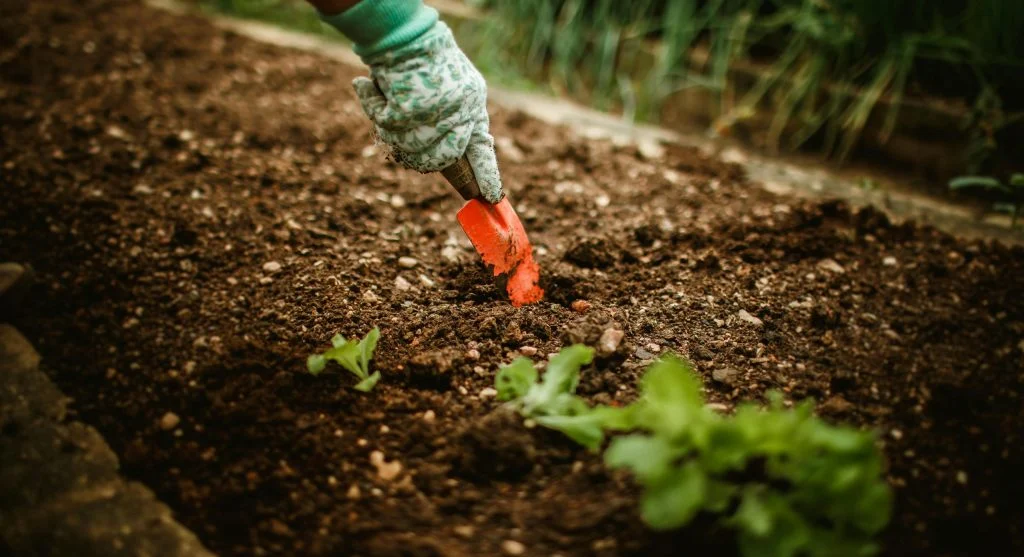
Another useful water saving tip is remembering that fresh mulch often changes the timing between waterings. A bed that needed frequent support when it was bare may now hold moisture longer because the surface is protected from direct sun and wind. If the gardener keeps watering on the same schedule without checking, the bed may receive more water than it needs.
Soil specialists often explain that mulch reduces evaporation and helps keep the upper root zone more stable. This usually means the gap between waterings can become longer, even if only slightly. That shift can save water over time, but only if the gardener lets the new rhythm develop instead of forcing the old routine to continue.
Mulched garden beds often reward patience. A better routine usually comes from noticing that the bed has changed and allowing the schedule to change with it.
Water Slowly Enough for Moisture to Reach the Soil, Not Just the Mulch
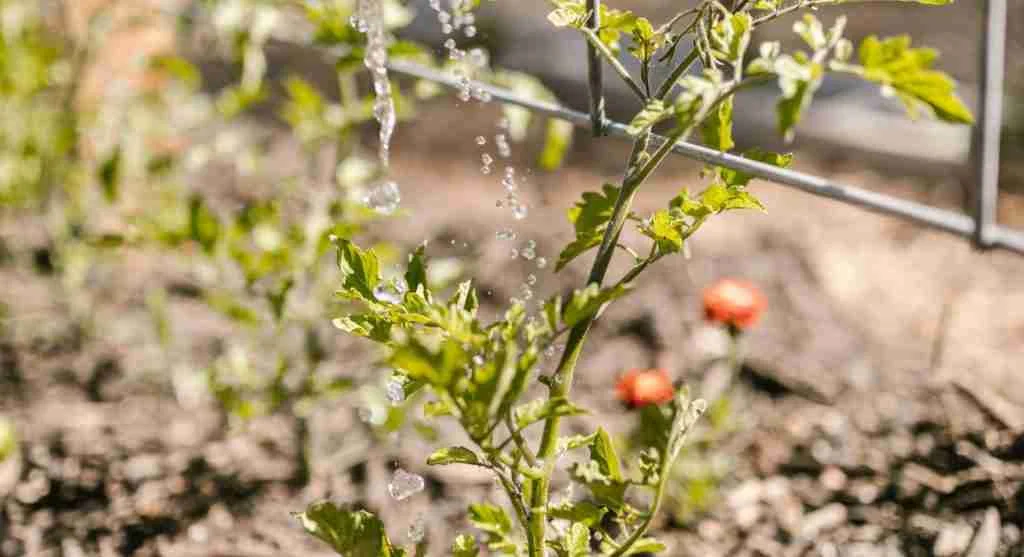
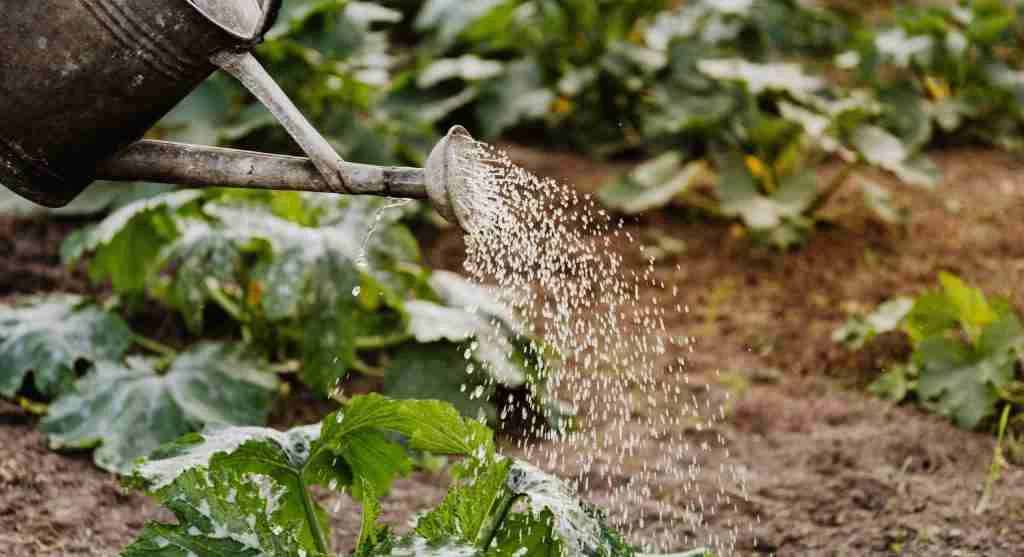
One of the smarter water saving tips is applying water in a way that actually reaches the soil beneath the mulch. A quick light spray may wet the mulch layer and make the bed look refreshed without sending enough moisture down to the roots. This can create a false sense that watering was done well when it only dampened the surface covering.
Water educators often recommend slower watering near the base of the crop so moisture has time to move through the mulch and into the soil below. This matters especially in thicker mulch layers, where quick surface wetting may not show what is really happening. Better watering usually happens when water is allowed to pass through instead of bouncing off or stopping too early.
To reduce water waste, gardeners need to think about where the water is ending up, not only how long they watered. Wet mulch is not always the same as watered soil.
Keep the Mulch Layer Even So Watering Stays Predictable
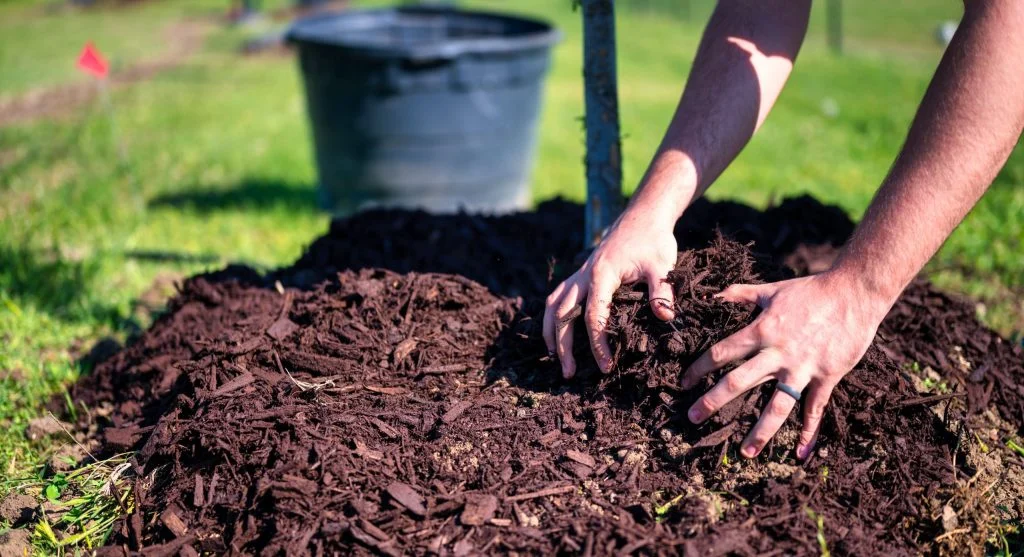
One of the more practical water saving tips is keeping the mulch layer reasonably even across the bed. If one section has a thick, heavy layer and another has almost none, the bed may begin holding moisture unevenly. That makes watering harder to judge and can leave one area too wet while another dries too fast.
Garden educators often explain that mulch works best when it protects the bed with relative consistency. It does not need to be perfect across every inch, but major differences in thickness often create confusion in how the bed behaves. A quick leveling of the mulch after wind, heavy watering, or harvest activity can make the whole area easier to read again.
Mulched garden beds usually become easier to manage when the cover itself stays balanced. Even mulch often supports even moisture better than a patchy layer.
Pay Extra Attention to New Transplants Under Mulch
One of the best water saving tips is not assuming that every crop under mulch needs the same schedule. Fresh transplants may still need closer moisture checks even when the bed is mulched because their roots have not yet spread deeply into the surrounding soil. Larger established plants, meanwhile, may already be benefiting more fully from the moisture-holding effect of the mulch.
Plant care specialists often note that mixed-stage beds require mixed reading. A newly planted section may need more careful local watering even while the rest of the mulched bed is holding moisture well. The gardener often gets the best results by watching plant stage along with mulch effect instead of using one full-bed guess.
Watering after mulch becomes more accurate when the grower remembers that crop age still matters. A mulched bed is more stable, but it is not always equally stable for every plant in it.
Update the Routine Again After the Mulch Settles
One of the more overlooked water saving tips is understanding that fresh mulch changes over time. A newly spread layer may sit loosely at first, then settle, shift, or break down slightly after watering, rain, and foot movement around the bed. That means the routine that worked during the first week after mulching may not be exactly the same one that works later.
Water specialists often explain that good routines are adjusted in stages. The first check period after mulching helps the gardener learn the new pattern, and later checks help refine it once the mulch has settled into place. This kind of flexible thinking often prevents both overwatering and missed dryness in the weeks that follow.
To reduce water waste well, gardeners often need to treat mulch as something that changes, not something fixed forever on the day it was applied. Observation should continue after the first adjustment.
Keep Notes on How Each Mulched Bed Responds
One of the strongest water saving tips for long-term improvement is recording how each mulched bed responds once the cover is added. One bed may hold moisture much longer, another may still need close checks because of strong sun, and another may behave differently because it contains newer crops. These details are easy to forget without notes.
Garden educators often recommend noting crop type, mulch thickness, watering timing, and how quickly the soil beneath the mulch changes. These simple records help the next mulch application and watering schedule become much more accurate. Over time, the gardener builds a better sense of what each bed truly needs under mulch rather than relying on one general rule.
Mulched garden beds usually become more efficient when the grower learns their individual patterns. Notes help turn one season of observation into a better system for the next one.
Frequently Asked Questions
Q: What are the best water saving tips for newly mulched garden beds?
A: Some of the best water saving tips include checking below the mulch, expecting longer moisture retention, watering slowly enough to reach the soil, keeping the mulch layer even, watching new transplants more closely, and updating the routine again after the mulch settles.
Q: Why is watering after mulch different from watering bare soil?
A: Watering after mulch is different because mulch changes how the surface looks and how the bed holds moisture. The soil may stay moist longer even if the top layer looks dry, so the gardener must check below the mulch rather than rely on appearance alone.
Q: How can gardeners reduce water waste in mulched garden beds?
A: Gardeners can reduce water waste by checking actual soil moisture under the mulch, spacing waterings more thoughtfully, applying water slowly at the root zone, and keeping mulch thickness more even across the bed.
Q: Do mulched garden beds always need less water?
A: Mulched garden beds often hold moisture longer, but not every section or crop will respond the same way. New transplants, sunny zones, and uneven mulch areas may still need closer checks before the routine can be safely reduced.