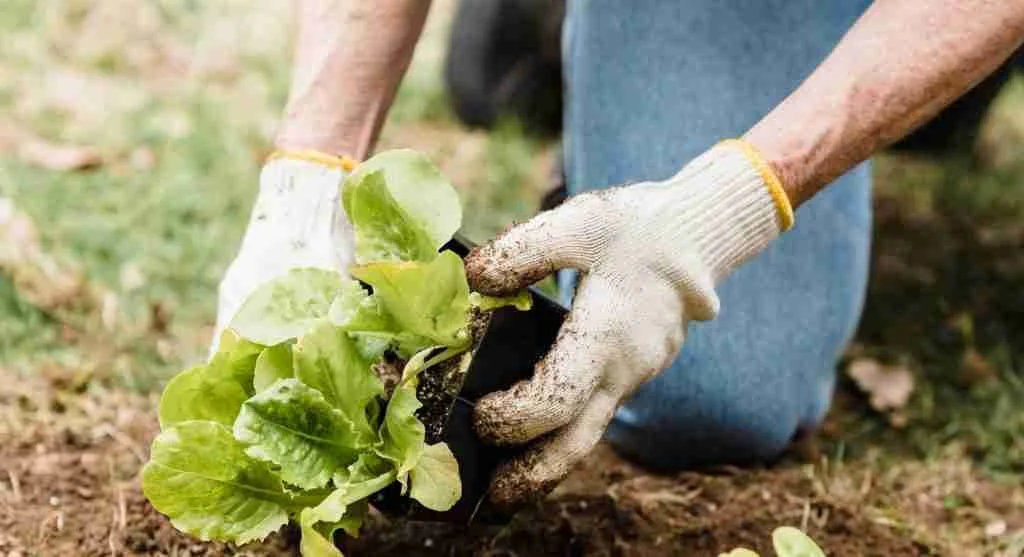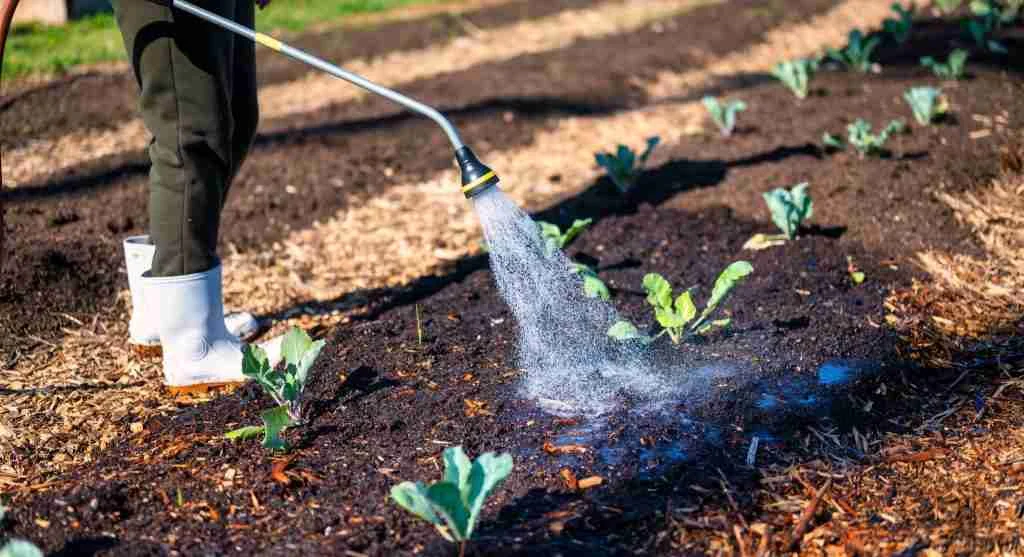
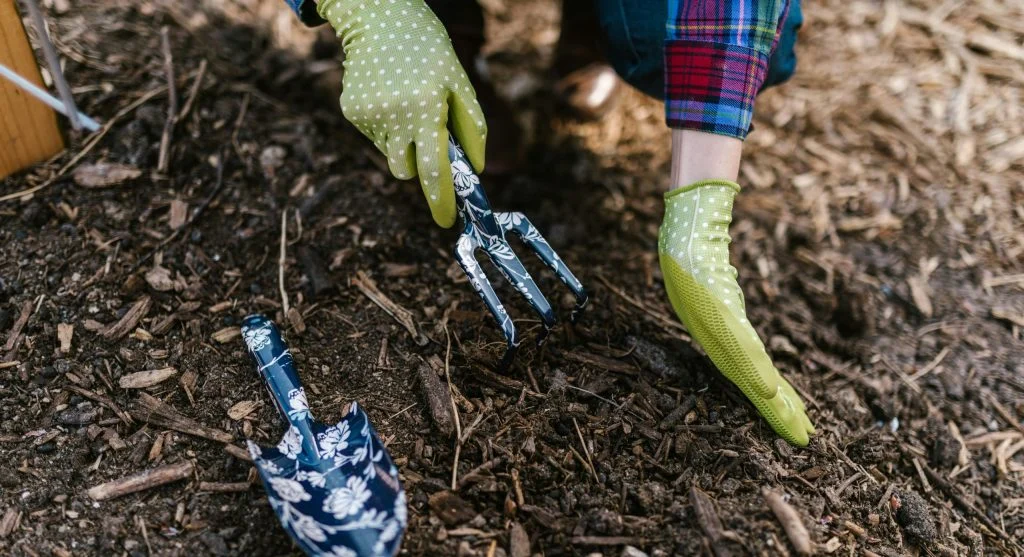

Useful soil tips can help backyard gardeners keep a freshly reworked bed from settling too unevenly after planting. A newly loosened bed often looks perfect at first. The surface may appear soft, level, and ready for seeds or transplants. But after watering, wind, foot movement, and a few days of natural settling, some sections may sink more than others. That can change row depth, affect watering flow, and leave one part of the bed performing differently from the rest.
Soil educators, crop planners, and experienced home growers often explain that reworking a bed is not only about loosening the soil. It is also about helping that loosened soil settle in a balanced way. These soil tips focus on how to manage freshly reworked garden beds, reduce uneven soil settling, and keep balanced planting rows easier to water, inspect, and harvest after the bed has been refreshed.
Why Soil Tips Matter After a Bed Is Reworked
A refreshed bed often feels like a clean start, but freshly loosened soil is usually more changeable than it first appears. Once water moves through it, some sections may compress, some may stay fluffy, and some may drop lower because of hidden differences in texture or depth. If planting has already happened, these changes may make one part of the row wetter, deeper, or less even than expected.
Researchers who study soil structure often note that disturbed soil needs time and good handling to regain stable balance. This is why soil tips matter so much after bed reworking. The goal is not only to create loose soil. The goal is to help the bed settle into a condition that supports even planting and smoother later care.
To keep balanced planting rows, gardeners often need to think one step beyond soil preparation itself. A bed that settles well usually performs more predictably across the season.
Break Up Large Clods Before Leveling the Surface
One of the strongest soil tips for freshly reworked beds is making sure large clods are broken down before final smoothing begins. A bed may look level from above even when bigger pieces underneath are creating uneven structure. Once watering starts, those larger sections may settle differently than the finer surrounding soil and leave the surface less even than it first seemed.
Soil educators often recommend working toward a consistent upper layer instead of leaving mixed zones of very loose soil beside larger compacted chunks. This does not mean turning the bed into dust. It means making the top planting zone uniform enough that seeds and roots enter a more even structure. Consistency in the upper layer often helps the whole bed settle more smoothly.
Freshly reworked garden beds usually become easier to manage when the soil texture is more even before planting begins. A smoother start often prevents later row problems.
Shape the Bed Gently Instead of Leaving Loose Mounds
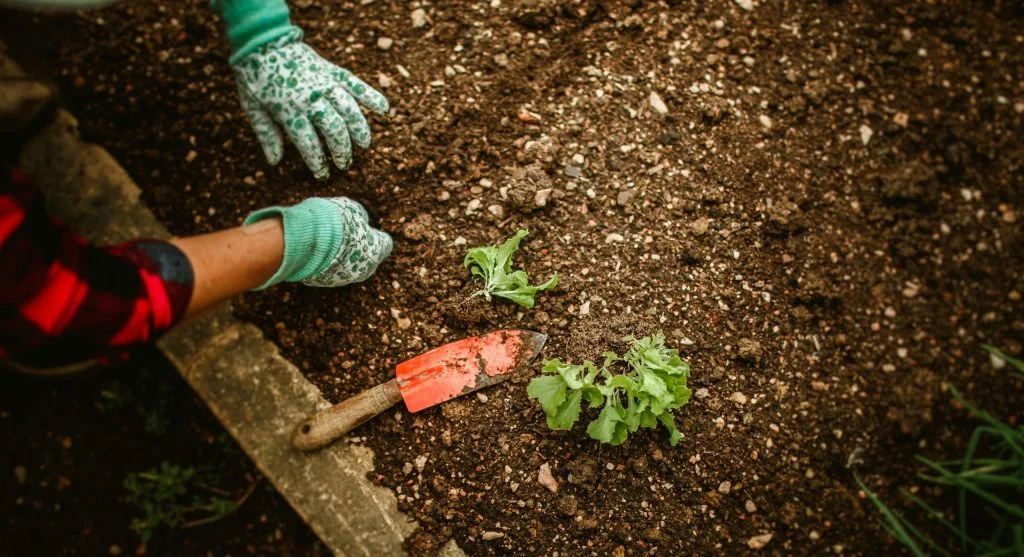
Another of the most useful soil tips is avoiding uneven mounds and dips before the bed is planted. Freshly turned soil can easily sit in soft ridges or pockets that seem harmless at first. Later, these areas may guide water poorly, settle at different speeds, or cause seeds and transplants to sit at inconsistent depths.
Garden planners often suggest giving the bed a gentle final shape with a level surface or a clearly planned pattern that matches the crop being planted. A row bed should look intentional, not loosely finished. This helps water move more predictably and makes later checks easier because the grower can see changes sooner.
Uneven soil settling often begins with uneven shaping. A bed that starts with better form usually keeps that order longer after planting and watering begin.
Water Once Before Final Planting if the Bed Was Reworked Heavily
One of the smarter soil tips is giving heavily reworked soil a settling watering before final planting in some situations. If the bed was deeply loosened, amended, or heavily disturbed, one early soak may reveal where the surface drops, where the texture changes, and where light reshaping is still needed. This often creates a more stable planting surface afterward.
Soil and water educators often explain that this approach is especially useful when the bed has been refreshed more aggressively than usual. A first watering can show whether one section sinks more quickly than the rest. If that happens before planting, the grower still has an easy chance to correct the bed shape without disturbing new seedlings or transplants later.
To reduce uneven soil settling, gardeners often benefit from letting the bed reveal its weak spots early. One settling round can sometimes prevent many later corrections.
Keep Seed Depth and Transplant Height Consistent Across the Bed
One of the more practical soil tips is being especially careful with planting depth in a newly reworked bed. If one section of the bed is slightly softer or lower than another, seeds and transplants may end up placed inconsistently without the gardener fully noticing. That can affect how evenly rows emerge and how smoothly the bed performs later.
Seed-starting and transplant educators often recommend paying close attention to row depth and plant height in the first planting after soil is refreshed. Even if the bed seems level, a little extra care at this stage helps reduce later unevenness caused by settling. The goal is not only correct planting, but correct planting in soil that may still be adjusting slightly under the surface.
Balanced planting rows often begin with consistent placement, especially when the soil underneath is still finding its settled shape.
Watch Where Water Pools After the First Few Waterings
One of the best soil tips is checking how the bed behaves after the first real watering sessions. A newly reworked bed may not show its settling pattern until water has moved through it more than once. Small low spots, mild ridges, or uneven absorption often become easier to see at this stage than they were during dry preparation.
Water educators often explain that pooled water, faster drainage in one strip, or repeated dampness in one end of the bed may all reveal where settling has become uneven. These are useful signs because they show where the surface may need gentle correction before the crop becomes too established. Early observation helps keep the bed balanced with much less effort.
Freshly reworked garden beds often tell the truth after the first few watering cycles. That is often the moment when practical adjustment becomes most useful.
Correct Small Settling Problems Early Instead of Waiting for the Whole Bed to Adjust
One of the more overlooked soil tips is not assuming every uneven spot will fix itself with time. Some light settling is normal, but repeated low areas or inconsistent row levels may continue affecting emergence, moisture balance, and bed appearance if they are left alone. Small early corrections are often much easier than late ones.
Garden educators often recommend making modest surface corrections while the crop is still young and the bed is still readable. A little leveling, a small compost top-up, or a careful reshaping of one section may be enough to restore better order. Waiting too long often makes the correction harder because roots and growth become more established.
To keep balanced planting rows, gardeners usually do best when they respond while the bed is still only slightly uneven, not after the difference has shaped the whole planting.
Keep Notes on Which Beds Settle Most After Reworking
One of the strongest soil tips for future seasons is writing down which beds tend to settle the most after they are refreshed and which preparation styles lead to the smoothest results. Some beds may handle reworking very evenly, while others may always need a pre-settle watering or closer early checks. These patterns become easier to use once they are recorded.
Garden educators often suggest noting how deeply the bed was worked, what amendments were added, how the first watering changed the surface, and whether rows stayed level through early growth. These simple notes help later bed preparation become much more accurate. Over time, the gardener learns which beds need extra attention before planting and which ones hold their shape well from the start.
Uneven soil settling becomes much easier to manage once it stops feeling unpredictable. Notes help turn one refreshed bed into a better plan for the next one.
Frequently Asked Questions
Q: What are the best soil tips for freshly reworked garden beds?
A: Some of the best soil tips include breaking up large clods, shaping the surface evenly, using a settling watering when needed, keeping planting depth consistent, watching for pooling after the first few waterings, and correcting small uneven spots early before they affect the whole row.
Q: Why do freshly reworked garden beds settle unevenly?
A: Freshly reworked garden beds may settle unevenly because disturbed soil often contains mixed textures, hidden clods, soft spots, and depth differences that only become obvious once water and time begin compressing the surface.
Q: How can gardeners keep balanced planting rows after refreshing a bed?
A: Gardeners can keep balanced planting rows by preparing a more even top layer, planting at consistent depth, watching how the bed changes after watering, and making small early corrections where settling creates dips or ridges.
Q: What is the best time to notice uneven soil settling?
A: The best time is often after the first few watering sessions, when the freshly reworked bed begins revealing low spots, pooling areas, and sections that settled faster than the rest.
Key Takeaway
These soil tips show that a freshly reworked bed usually performs better when gardeners prepare for settling instead of being surprised by it later. Even texture, good shaping, careful early watering, consistent planting depth, and quick corrections after the first few soakings all help reduce uneven soil settling and support more balanced planting rows. Short notes make future bed refreshes even smoother. For many gardeners, the best soil tips are the ones that help a newly loosened bed become a stable growing surface instead of a shifting one.