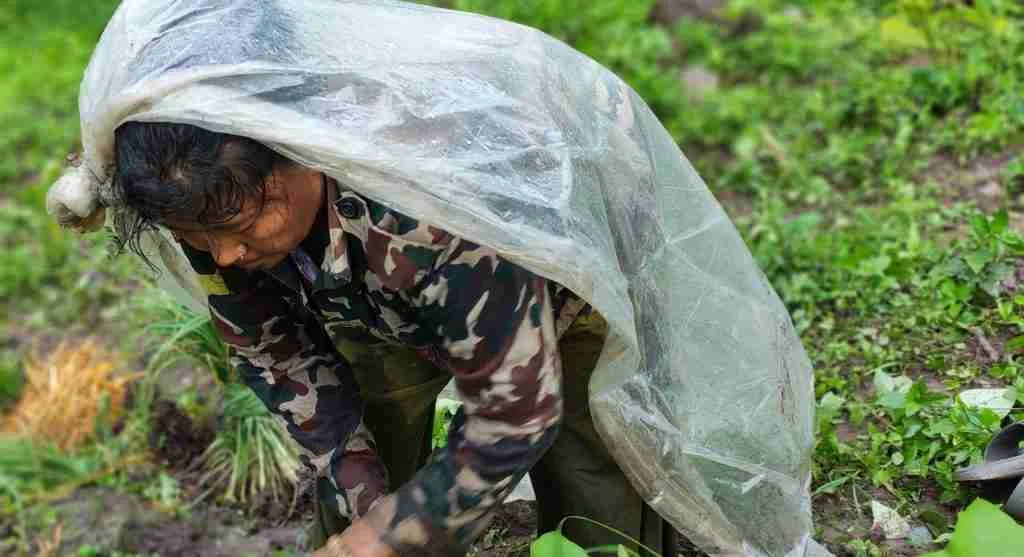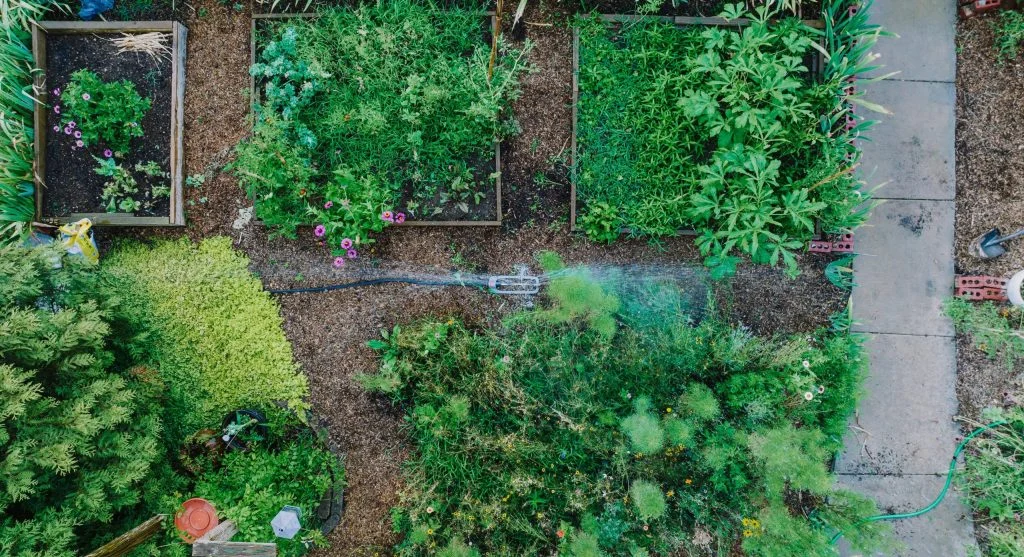

Useful farm life tips can help backyard growers keep weekly chores from piling up until one day feels like an exhausting catch-up session. In many home gardens, the work does not become overwhelming because any single task is too large. It becomes overwhelming because many small jobs are left to stack together. A little harvesting, a little tying, a little watering adjustment, a little cleanup, and a few missed checks can quietly turn into a long tiring day that feels harder than it should.
Homestead educators, outdoor planners, and experienced backyard growers often explain that a more manageable garden usually comes from better rhythm, not from working harder all at once. These farm life tips focus on how to organize weekly garden chores, create a stronger backyard task routine, and keep outdoor work more steady before the garden begins demanding one large stressful recovery day.
Why Farm Life Tips Matter for Weekly Chore Planning
Most backyard garden work is repetitive, but that does not make it simple. Repeated tasks can either stay light and controlled or build into a heavier load when they are delayed too long. A few skipped days may not seem serious at first, especially if the beds still look healthy. But the work often continues growing even when it is not being done.
Researchers who study small-scale work systems often note that repeated small maintenance tasks are easier to complete consistently when they are grouped into realistic routines. This is why farm life tips matter so much for weekly planning. A smoother week often prevents the kind of weekend or catch-up day that feels too big to start well.
Manageable outdoor work usually begins when the grower treats weekly chores like part of the garden system, not like extra work to fit in only after everything else is done.
Separate Daily Checks From Weekly Reset Tasks
One of the strongest farm life tips is understanding that not every job belongs in the same category. Some tasks need short daily attention, such as quick harvest checks, watering observation, or spotting a fallen stem. Other tasks fit better into a weekly rhythm, such as tool resets, fuller cleanup, mulch adjustments, or reordering supply areas.
Outdoor planners often explain that confusion begins when growers expect one day to carry both the daily check work and the deeper weekly reset work all at once. Separating the two usually makes the schedule feel more realistic. A short daily routine supports the beds, while one or two specific weekly task blocks support the wider system around them.
Weekly garden chores often become easier when the grower stops treating every task like an emergency or every task like it can wait. Good routine begins with knowing which jobs belong where.

Identify the Chores That Grow Faster Than Expected
Another of the most useful farm life tips is recognizing which weekly jobs become harder very quickly if they are delayed. Harvesting certain crops, guiding tall growth, clearing access paths, and handling repeated small cleanup tasks often become much heavier if they are left until the end of the week. These are the chores that deserve earlier attention.
Garden educators often recommend looking at which jobs tend to turn from easy to annoying in only a few days. Those tasks usually shape the whole feeling of the garden. If they are done a little sooner, the rest of the week often feels lighter. If they are delayed, even simple outdoor work can start with frustration.
A better backyard task routine usually begins by protecting the chores that grow quickly. These jobs often decide whether the week stays smooth or becomes a recovery project.
Assign Each Day a Light Theme Instead of a Heavy Full List
One of the smarter farm life tips is giving each day a lighter focus instead of trying to handle every type of garden job on one major work day. One day might be for harvesting and quick path checks, another for tying and supports, another for soil and watering observation, and another for reset work. This often makes the week feel more possible.
Outdoor work educators often explain that themed work blocks reduce hesitation because the grower already knows the day’s main purpose. This keeps chores from blending into one long undefined list that feels too large before it even begins. Even in a small garden, clear daily themes often improve follow-through.
Manageable outdoor work often comes from smaller clear work blocks instead of one large mixed list. A lighter theme usually encourages action better than a heavy plan.
Use the Garden’s Fastest Area as the Weekly Priority Zone
One of the more practical farm life tips is identifying which part of the garden changes fastest and letting that zone guide the week. A bed with quick-growing crops, frequent harvest needs, or repeated tying may deserve earlier attention than slower beds that stay stable longer. If the busiest section is cared for first, the whole yard often feels easier.
Garden planners often note that every yard has one area that speaks more urgently than the others. It may not be the biggest bed, but it is often the bed that changes the fastest. Using that section as the first weekly focus often prevents small problems from spreading into a full-yard sense of disorder.
Weekly garden chores usually feel more manageable when the fastest-moving zone is given attention before the quieter zones. The garden’s speed should help shape the plan.
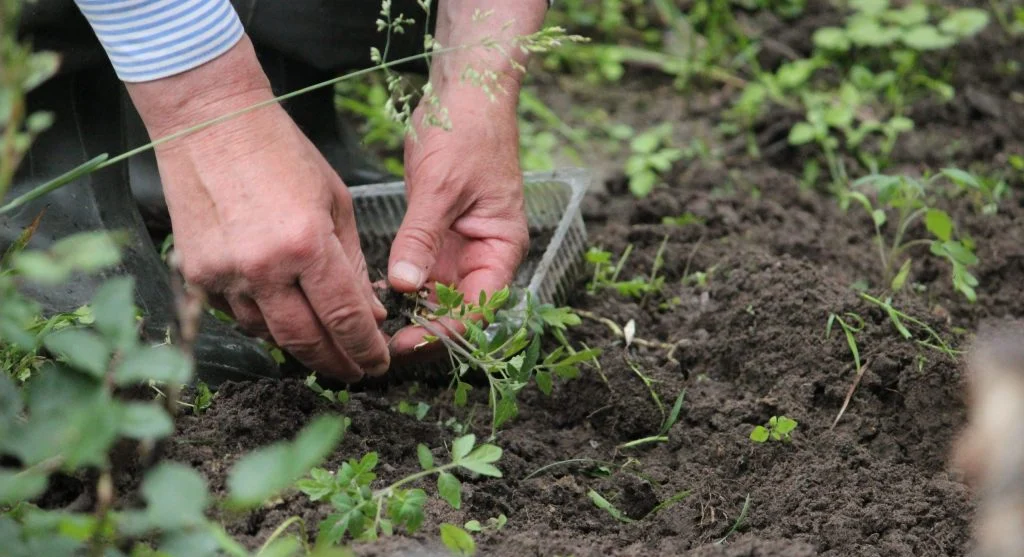
Finish Each Week With a Small Reset Instead of a Large Delay
One of the best farm life tips is ending the week with a short reset, even if it is not a full cleanup day. A few minutes spent returning tools, clearing baskets, reopening paths, or restocking simple supplies often make the next week much easier to begin. Without that reset, unfinished work tends to roll forward and make the next round feel heavier.
Garden educators often explain that the weekly reset does not need to be large to matter. The goal is simply to stop unfinished tasks from stacking endlessly. A little order at the end of the week often prevents the next week from beginning already behind.
A backyard task routine usually stays stronger when one week closes cleanly enough that the next week does not have to begin with repair work first.
Keep the Chore List Short Enough to Repeat Honestly
One of the more overlooked farm life tips is avoiding weekly plans that look impressive but do not fit real life. A list that is too long often encourages delay because the work feels impossible before it begins. A shorter list that truly matches the garden’s needs usually supports more consistent care.
Outdoor planners often recommend keeping the weekly routine close to what can actually be repeated, not what sounds ideal in theory. If the system can be followed most weeks, it will usually help the garden more than a perfect plan that only happens once in a while. Real repetition often matters more than ambition.
Manageable outdoor work depends on honesty as much as effort. The best weekly plan is often the one the grower can actually live with through the whole season.
Keep Notes on Which Chores Always Try to Pile Up
One of the strongest farm life tips for long-term improvement is writing down which chores repeatedly build faster than expected. Some gardens may always need more frequent harvest rounds, while others may need more regular path clearing, tying, or surface checks. These patterns are much easier to improve once they are seen clearly over time.
Garden educators often suggest noting what task felt too big at the end of the week, what should have happened earlier, and which small changes made the week feel easier. These simple records help the next routine become more accurate. Over time, the gardener learns where the workload usually starts slipping and how to correct it sooner.
Weekly garden chores become easier to manage once the grower understands which ones naturally pile up first. Notes help turn repeated stress points into better planning instead of repeated surprise.
Frequently Asked Questions
Q: What are the best farm life tips for weekly garden chores?
A: Some of the best farm life tips include separating daily checks from weekly resets, identifying chores that grow quickly, assigning light daily work themes, prioritizing the fastest-changing bed first, ending the week with a small reset, and keeping the chore list short enough to repeat honestly.
Q: Why do weekly garden chores become overwhelming so easily?
A: Weekly garden chores often become overwhelming because many small unfinished tasks quietly pile up together. Harvest, support work, cleanup, and observation may each seem manageable alone, but together they can become too large when delayed too long.
Q: How can gardeners make a better backyard task routine?
A: Gardeners can make a better backyard task routine by spreading work through the week, giving days light themes, protecting the chores that build quickly, and closing each week with a short reset so the next one starts cleanly.
Q: What helps keep outdoor work manageable in a busy season?
A: Outdoor work usually stays more manageable when the routine is realistic, repeated often enough, and shaped around the fastest-moving parts of the garden instead of trying to handle every task at once in one big catch-up day.
Key Takeaway
These farm life tips show that weekly chores usually stay easier when gardeners spread the work out before it becomes one heavy catch-up project. Clear daily themes, attention to the fastest-growing tasks, short weekly resets, and realistic planning all help keep outdoor work feeling manageable instead of exhausting. Simple notes make that routine even stronger over time. For many growers, the best farm life tips are the ones that keep small jobs from quietly turning into a full day of stress.