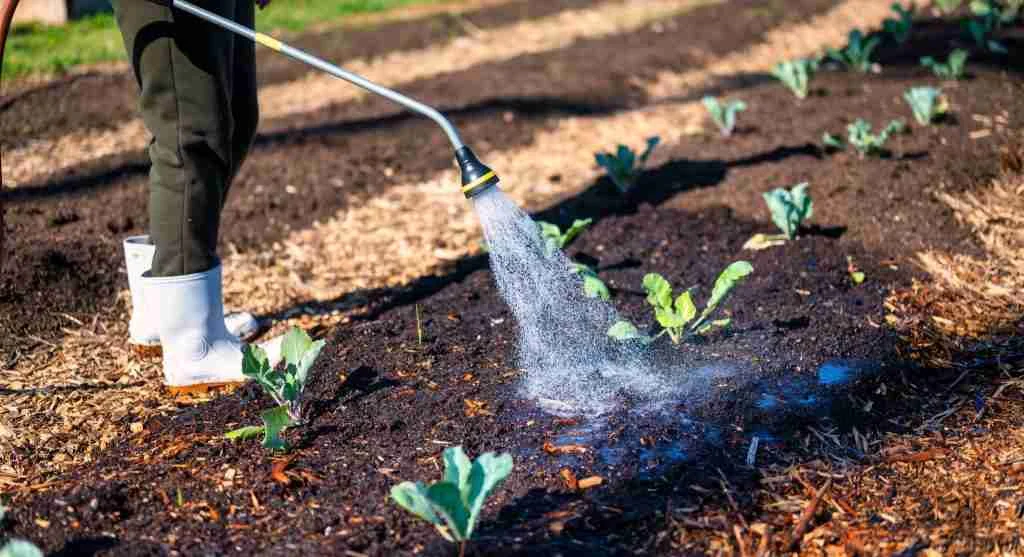

Useful soil tips can help backyard gardeners spot an important pattern that often gets ignored: two beds can receive the same rain and still behave very differently afterward. One bed may stay evenly moist and calm for days. Another may seem to lose the benefit quickly, drying faster than expected and returning to a thirsty feel much sooner. At first, this can look like random garden behavior. Often it is not random at all.
Rain is one of the best natural tests a garden gets. It shows how water moves into a bed, how long it stays useful, and how evenly the soil structure supports the crop after the sky has already done the watering. These soil tips focus on how to compare garden bed drainage after rain, how to understand why one bed dries too fast while another stays balanced longer, and how to build steadier moisture conditions without guessing from one dry day alone.
Rain Reveals Differences That Hose Water Often Hides
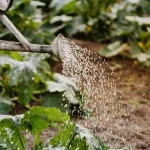
Hand watering is useful, but it can also disguise bed behavior because it follows the gardener’s habits. Rain behaves differently. It falls across everything, settles into the surface without favor, and gives each bed the same chance to show what it does naturally. After a good rain, the garden often becomes easier to read honestly.
This is why some of the best soil tips begin after weather, not before it. A bed that drains too fast after rain is showing the grower something important about structure, surface condition, and how moisture moves through that soil over time.
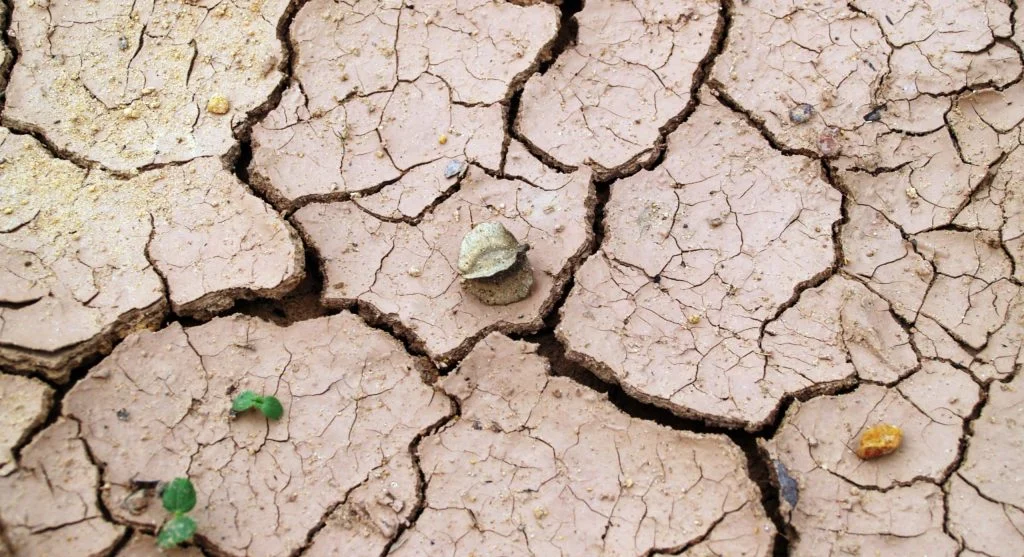
Quick Drying Is Not Always a Sign of Strong Drainage
Many gardeners hear that good drainage is healthy and assume that a quickly drying bed must be performing well. Sometimes that is true. But sometimes the bed is not draining in a balanced helpful way. It may simply be losing moisture too quickly to support the crop steadily. The difference matters.
A healthy bed usually allows extra water to move through without staying soggy, while still keeping enough usable moisture for roots. A bed that seems dry almost immediately after good rain may not be showing ideal drainage. It may be revealing a structure that cannot hold moisture with enough consistency.
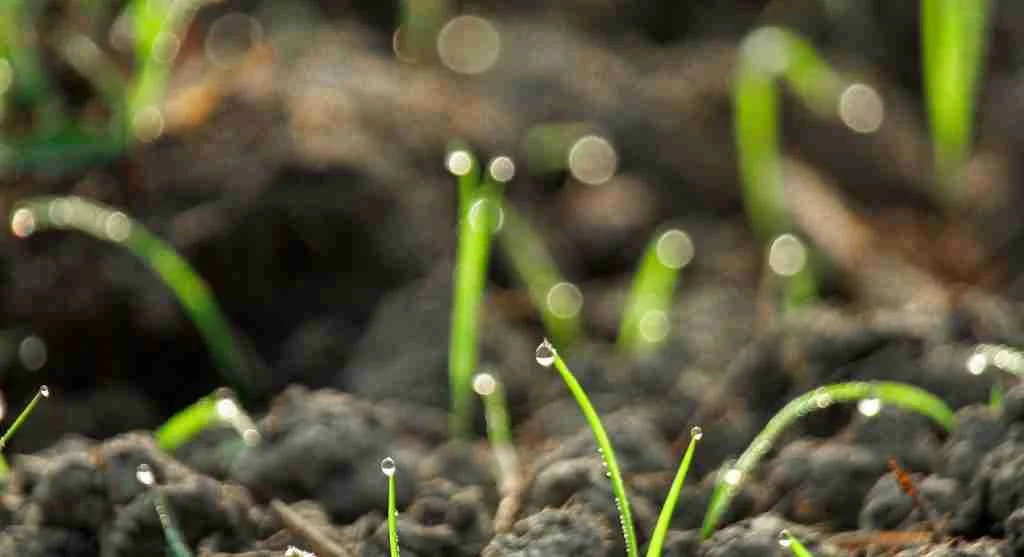
Comparing Beds Side by Side Gives Better Clues Than Reading One Bed Alone
One of the smartest ways to understand post-rain soil behavior is to compare two beds on the same day. If one bed stays cooler, darker, and more balanced while another dries quickly, that contrast often teaches more than any single bed could on its own. It shows the gardener that weather is not the whole explanation.
This comparison is especially useful when the beds are growing similar crops. If one bed consistently loses moisture faster, the issue is more likely tied to soil structure, bed build, organic matter, exposure, or surface care than to chance alone. Good soil tips often become much clearer when the garden is read comparatively instead of one bed at a time.
Bed Height, Soil Mix, and Organic Matter All Change the Pattern
Raised beds are rarely identical, even when they look similar from a distance. One may contain lighter material, one may hold more compost, one may have a looser upper layer, and one may have aged into a more stable structure. These differences affect how long rainfall stays useful after the surface has stopped looking wet.
This is why post-rain behavior can vary so much across the same yard. The bed that dries too fast is often telling the gardener something about its internal balance. The answer is not always more water. Sometimes it is better structure.
Surface Cover Often Decides How Much Rain Stays Useful
One of the most practical soil tips after rain is to look closely at surface cover. Beds with steadier mulch or plant cover often hold the benefit of rain much longer than beds with wide bare patches. The rainfall itself may have been equal, but the exposed bed loses moisture faster once sun and wind return.
This does not mean mulch solves every drainage issue. But it often changes the speed at which a bed gives up the moisture it just received. A bed that dries quickly after rain may need more than better watering habits. It may need better protection between waterings.

Root-Zone Feel Matters More Than Surface Appearance
After rain, the surface can mislead the gardener. One bed may look dry sooner, but the root zone still feels workable and useful below. Another may appear steady on top while the inner moisture pattern is already less balanced. This is why surface color should not be the only test.
A better reading comes from checking a little deeper and comparing how different beds feel below the first layer. The bed that truly dries too fast often reveals itself there. The top may only tell the first half of the story.
Fast-Drying Beds Often Need Support, Not Constant Rescue Watering
It is tempting to respond to a quick-drying bed with more frequent watering. Sometimes that is necessary in the short term, but it does not always solve the underlying issue. If the bed repeatedly loses rain benefit too fast, the smarter response may be improving organic support, surface cover, or overall soil balance rather than relying only on repeated rescue watering.
This is one reason soil tips matter so much. They help gardeners move past surface reaction and toward stronger long-term decisions. The goal is not simply keeping the bed wet. It is helping the bed stay more dependable between wet periods.
Keep Notes After Rain, Not Only During Dry Spells
Many gardeners only pay close attention when the beds are obviously thirsty. But some of the clearest lessons come right after rain. A quick note about which beds stayed balanced longest, which ones lightened fastest, and which crops remained calm can reveal more about the garden than a dry-week impression ever will.
Those notes make later care smarter. Over time, they show which beds need better moisture support, which ones already hold balance well, and where the gardener should focus effort first when building stronger soil conditions.
Frequently Asked Questions
Q: Why does one garden bed dry faster than another after the same rain?
A: Beds can dry at different speeds because of differences in soil mix, organic matter, structure, mulch cover, exposure, and how well each bed holds usable moisture in the root zone.
Q: What are the best soil tips for comparing bed drainage after rain?
A: The best soil tips include checking beds side by side, looking below the surface instead of judging by appearance alone, noticing surface cover differences, and recording which beds stay balanced longest after rainfall.
Q: Is a bed that dries quickly after rain always healthier?
A: No. Quick drying can sometimes mean good drainage, but it can also mean the bed is not holding moisture steadily enough to support crops well between waterings.
Q: How can gardeners improve a bed that dries too fast?
A: Gardeners can improve it by strengthening soil balance with organic support, maintaining better mulch or surface cover, avoiding unnecessary disturbance, and using post-rain observations to guide long-term care.
Key Takeaway
These soil tips show that rain is one of the clearest ways to understand how different beds really behave. When one bed dries too fast while another stays balanced, the difference often points to structure, cover, and moisture-holding ability rather than simple chance. Backyard gardeners who compare beds after rainfall usually make better long-term soil decisions than those who only react once the garden is already dry.