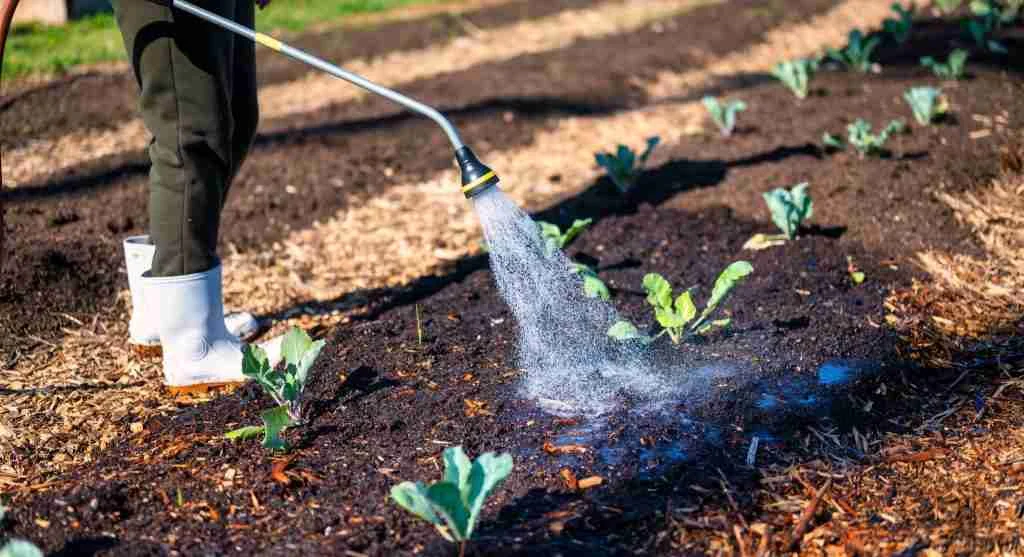

Useful soil tips can help backyard gardeners catch a problem that is easy to miss because it often lasts only a short moment. Water lands on the bed, and instead of sinking in smoothly, it seems to hesitate. It gathers, lingers, or glides across the top before finally disappearing. The surface may look fine again a minute later, so the gardener moves on. But that short delay can say a great deal about how the bed is functioning below.
This matters because good watering does not begin with the amount of water used. It begins with how well the soil accepts it. A bed that makes water wait at the surface is often revealing a change in structure, surface condition, or root-zone balance that can affect everything from plant steadiness to daily watering efficiency. These soil tips focus on how to notice when water is lingering too long on top, why that early signal matters, and how to improve bed conditions before crops begin responding with uneven energy.
When Water Hesitates, the Soil Is Already Telling a Story
Many gardeners only pay attention if water fully runs off or stands for a long time. But smaller signs matter too. Even a brief delay can be useful information. Healthy beds often accept water with a quiet steady movement downward. Beds that begin making water pause are often shifting away from that smooth behavior, even if the surface still looks reasonably neat and workable.
This is why some of the most practical soil tips start with watching the first few seconds after watering begins. That moment often reveals how ready the bed is to receive moisture, not just how much moisture the gardener plans to give it.
A Short-Lived Surface Pool Can Still Point to a Real Issue
Because the puddle disappears, many growers assume no real problem exists. But the question is not only whether the water eventually went down. The better question is why it did not go down smoothly right away. If the bed once absorbed water easily and now pauses, something has changed in the working relationship between the surface and the root zone beneath it.
That change may be small at first. The bed may still grow crops fairly well. Yet the longer this pattern continues, the more likely it becomes that watering efficiency, root steadiness, and overall bed reliability will begin drifting. The earliest clue is often not plant collapse. It is hesitation.
The Problem Is Often at the Surface but Affects the Whole Bed
Water sitting on top too long is often a surface-level signal, but it does not remain only a surface concern. If the top layer resists water, the deeper root zone may receive moisture less evenly. One area may take water late, another may stay drier than it appears, and the gardener may start compensating with extra watering that still does not produce the same calm response from the crop.
This is why improve garden root zone decisions often begin with surface observation. The upper layer acts like the gatekeeper. When that gate stops working smoothly, the whole bed can become less predictable.
Repeated Light Surface Crusting Can Be Easy to Overlook
Some beds do not become obviously hard. Instead, they develop just enough surface tightness to change how water enters. The top may still break apart in the hand, but once water hits it, the behavior feels different. Instead of welcoming water in, it resists for a moment. That subtle change often happens before the gardener is ready to call the bed a problem bed.
One of the strongest soil tips is learning to notice this early stage. Beds do not always shift from healthy to unhealthy in dramatic steps. They often drift. Light crusting and slower intake are part of that drift.
Watering Style Can Reveal the Issue More Clearly
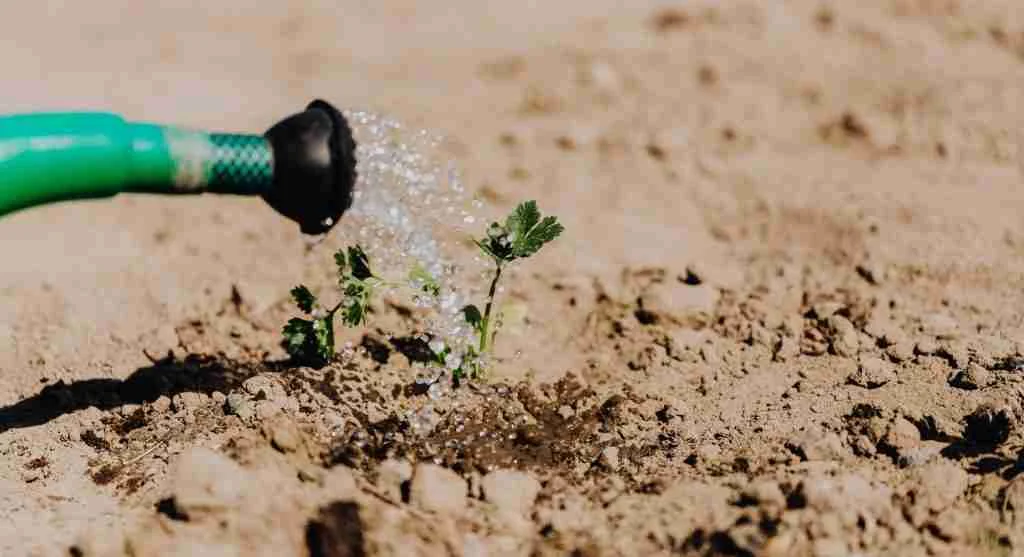
Sometimes the bed only shows this problem under certain watering methods. A slower pass may expose hesitation more clearly than a heavier soak. A direct root-zone pour may reveal where the surface has tightened, while a broad quick spray may hide it by spreading the water thinly across the top. This is why gardeners sometimes miss the issue for weeks even though it is already there.
Good soil tips do not blame the watering method alone. They use the watering method as a diagnostic tool. The way the bed responds helps the gardener understand whether the problem is one of delivery, one of soil condition, or a mix of both.
Surface Hesitation Often Leads to Uneven Bed Behavior Later
A bed that hesitates at the surface often becomes harder to water evenly over time. One section may finally take in water well, while another keeps delaying. The gardener responds with extra passes, but the result is not always better balance. Some roots receive a smoother supply, while others wait behind a surface that is becoming less cooperative.
This is one reason water sitting on soil matters even when the crop still looks fairly good. It often predicts future unevenness. By the time the plants begin showing stronger mixed responses, the surface had already been warning the gardener for some time.
Better Structure Usually Helps More Than Simply Adding More Water
When water sits on top, the first instinct is often to pour more slowly or water longer. Sometimes that helps in the short term, but it does not always solve the underlying issue. A bed that is resisting entry may need steadier structural support, calmer handling, more consistent surface protection, or a break from repeated disturbance that keeps the top layer from settling into a better working condition.
That is why the best soil tips rarely chase one dramatic fix. They focus on helping the bed receive water more naturally again. The goal is not to force water through. It is to make the bed ready for water.
Rain Can Confirm the Pattern Too
Gardeners often notice this issue during hand watering, but natural rain can confirm it. After a good rain, one bed may appear to have accepted the moisture calmly while another shows small signs that water had to linger first. Watching how different beds behave after rainfall can strengthen the gardener’s understanding of which spaces are starting to resist smooth intake and which still handle water gracefully.
This comparison is especially useful because rain removes personal watering habits from the picture. It lets the bed show its own behavior more honestly. Some of the clearest soil lessons appear after the weather has already done the watering.
Keep Notes on Which Beds Make Water Wait
One of the most useful long-term habits is writing down which beds regularly show this short surface pause and under what conditions it happens most. Maybe it appears after hot dry stretches. Maybe it happens most in one particular raised bed. Maybe it becomes more obvious after repeated cultivation or after mulch thins out. Those details turn a vague concern into something the gardener can work with.
Over time, those notes help improve bed-specific care. The grower stops thinking, “That bed is strange,” and starts seeing a clearer pattern of what the bed is asking for.
Frequently Asked Questions
Q: What are the best soil tips for noticing when water sits on top too long?
A: The best soil tips include watching the first few seconds of watering, noting any repeated surface hesitation, comparing beds after rain, and treating short-lived pooling as useful information instead of ignoring it just because it disappears quickly.
Q: Why does water sometimes sit on the surface before soaking in?
A: It often happens because the upper layer of the bed is no longer accepting water smoothly. Light crusting, uneven surface condition, or changes in soil structure can make moisture pause before moving down toward the roots.
Q: Does a small surface puddle always mean the bed is in serious trouble?
A: Not always. But repeated small puddling or hesitation often means the bed is drifting away from smooth water intake, and that early sign deserves attention before it leads to less even moisture support below.
Q: How can gardeners improve a bed that resists water at the surface?
A: Gardeners can usually help by improving surface protection, supporting better soil structure, avoiding unnecessary disturbance, and observing how the bed responds instead of simply adding more water and hoping the problem disappears.
Key Takeaway
Key Takeaway: These soil tips show that a bed often reveals trouble not when water refuses to enter completely, but when it begins making water wait. Backyard gardeners who notice those first seconds of hesitation usually catch structural drift early enough to respond calmly. In many gardens, the simplest clue is also one of the most useful: water should enter with confidence, not uncertainty.