
Useful water saving tips can help backyard gardeners solve a problem that often leads to unnecessary overwatering: one part of a bed keeps drying out faster than the rest, so the entire bed gets extra water even when only a small section actually needed more support. This is easy to fall into because a bed often looks like one watering zone from a distance. The soil is connected, the crops share the same frame, and the gardener naturally wants one clear routine.
But many beds do not use moisture evenly from end to end. One corner may dry sooner. One side may warm faster. One strip may hold less shade after harvest. If the gardener responds by watering the whole bed more heavily every time, the result is often wasted water in the steady areas and only partial improvement in the faster-drying one. These water saving tips focus on how to identify uneven moisture use within a single bed, how to understand why one section keeps asking first, and how to water more precisely without turning the whole bed into an overcorrected space.
One Bed Can Behave Like Several Smaller Moisture Zones
Many gardeners assume that if a bed was built the same way across its full width, it should behave the same way everywhere. In practice, that is rarely true for long. Crops grow unevenly, shade changes, paths affect airflow, and the bed begins interacting with the rest of the garden in local ways. The result is that one section can start using water differently from the section beside it.
This is why strong water saving tips often begin by breaking the idea of the bed into smaller pieces. The frame may be one bed, but the moisture story inside it may no longer be uniform. Once the gardener notices that, watering usually becomes much more accurate.
Fast-Drying Areas Often Reveal Themselves Through Repetition
A single dry patch on one hot day does not always mean much. But if the same section keeps asking sooner than the rest, that pattern deserves attention. Maybe one end of the bed keeps looking lighter first. Maybe one side needs spot watering more often. Maybe one planting strip looks ready for support while the opposite side still feels balanced. Repetition is usually the clue that turns a vague suspicion into something useful.
One of the best water saving tips is to notice not just dryness, but recurring dryness in the same place. A pattern that repeats is much easier to work with than a dry patch that seems random every time.
Sun and Exposure Often Matter More Than Gardeners First Think
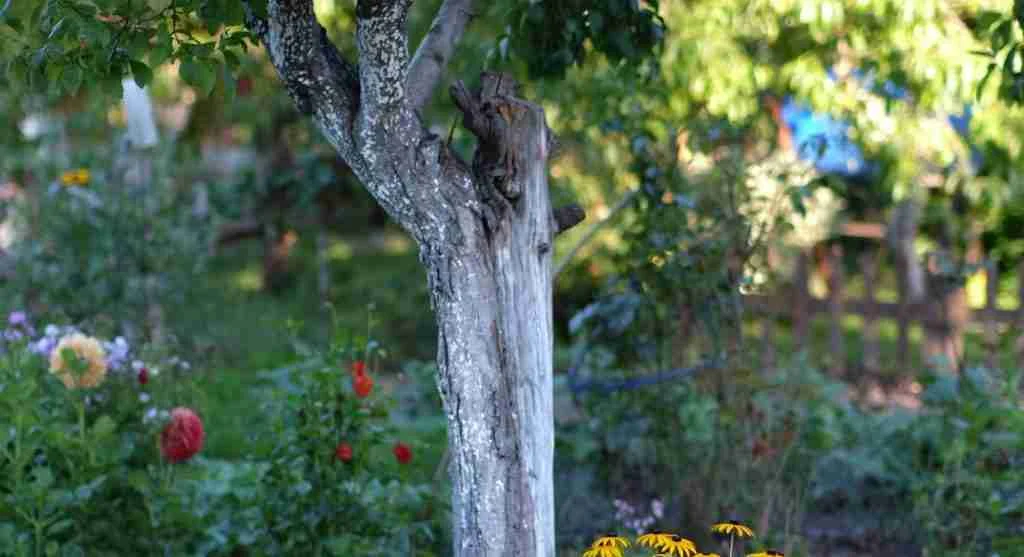
One bed section may simply receive a different daily experience than another. It may catch stronger afternoon sun, more reflected heat from a path, or more wind exposure from one side of the yard. That local pressure often changes how fast moisture leaves the soil, even when the bed looked even at planting time.
This is why precise garden watering depends on reading the bed’s real conditions now, not only how it was designed earlier in the season. As crops grow and surroundings change, the bed’s moisture map can change too. What stayed balanced in early spring may no longer stay balanced in midsummer.
Different Crop Sizes Can Pull Water Unevenly From Shared Soil
Even when the soil is similar, the plants may not be using it in similar ways. A bigger crop with fuller leaves, stronger roots, or faster growth can pull more water from one area than its smaller neighbor does from another. This often makes one strip of the bed feel thirstier, even though the real cause is demand rather than poor watering alone.
That is why some of the most practical water saving tips focus on the crop, not just the soil. The question is not only where the bed dries. It is also where the bed is being asked to work harder. A section with stronger demand often needs smarter attention, not just more blanket watering.
Harvest Changes Can Create New Fast-Drying Patches
A bed that felt even last week may become uneven after a big harvest. Remove enough outer leaves, fruiting canopy, or dense growth, and one section may suddenly sit more exposed than before. It can begin drying faster simply because the natural shade pattern changed. This is especially common in beds where repeated picking opens one section more quickly than another.
Good water saving tips include noticing when the faster-drying patch is not permanent, but recently created. That helps the gardener avoid treating the whole bed as though it changed equally just because one harvested area did.
Whole-Bed Overwatering Is a Common Response to a Local Problem
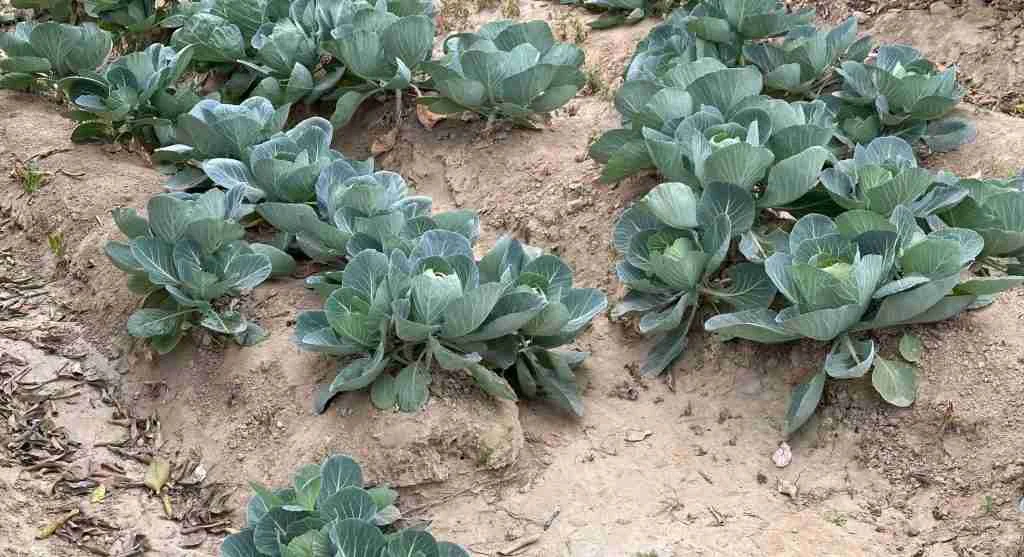
When one strip of a bed looks dry first, the easiest response is often to water everything more. That feels simpler and safer. But it can create a new imbalance. The steady sections receive water they did not need, while the thirsty section may still remain difficult because the real issue was local demand, exposure, or structure. The gardener ends up using more water without solving the pattern clearly.
This is one reason uneven moisture in a garden bed can quietly increase waste. It tempts the grower to solve a small-zone problem with a full-zone response. Smarter watering starts by narrowing the problem down before widening the solution.
Targeted Support Usually Works Better Than Broad Correction
Once a fast-drying section has been identified, a lighter local response is often more useful than a heavier whole-bed one. That may mean more careful root-zone watering for one strip, better surface cover in one section, or closer observation of the crop that keeps pulling first. The point is not to create complexity for its own sake. It is to direct effort where it belongs.
That is where water saving tips become truly practical. They help gardeners spend water where it changes outcomes instead of where it merely increases wetness.
Keep Notes on Which Parts of Each Bed Ask First
One of the smartest habits a gardener can build is noting which sections of each bed consistently ask for water first. Maybe the south side dries sooner. Maybe the harvested end changes first. Maybe one crop strip always uses more than its neighbor. These notes make the bed easier to understand over time and keep the gardener from treating every new dry patch as a surprise.
Over time, that record becomes a map. It helps the grower see where the bed stays dependable and where extra attention should stay focused. That is often the difference between watering more and watering better.
Frequently Asked Questions
Q: What are the best water saving tips for a bed that dries unevenly?
A: The best water saving tips include identifying which section repeatedly dries first, checking whether exposure or crop demand changed, avoiding whole-bed overwatering, and using more targeted support where the moisture is actually leaving fastest.
Q: Why would one section of a garden bed use water faster than the rest?
A: One section may use water faster because of stronger sun, wind exposure, larger crop demand, less canopy cover, or a recent harvest that exposed more soil in that part of the bed.
Q: Should gardeners water the whole bed more if one patch dries first?
A: Not automatically. If the problem is local, watering the entire bed more heavily can waste moisture in the steadier areas. It is usually better to understand why that section dries first and respond more precisely.
Q: How can gardeners improve precise watering in one raised bed?
A: Gardeners can improve precision by treating the bed as several smaller moisture zones, checking which areas repeatedly ask sooner, and adjusting water, cover, or attention in those spots without assuming the whole bed changed equally.
Key Takeaway
Key Takeaway: These water saving tips show that a single bed often contains more than one moisture pattern. Backyard gardeners who notice which section keeps asking first usually stop wasting water on the parts that were already stable. In many gardens, smarter watering begins the moment the grower realizes the bed is one frame but not always one moisture behavior.