
Practical growing hacks can make a small backyard garden feel more spacious, easier to manage, and surprisingly productive throughout the season. While limited space might seem like a constraint, factors like layout, timing, and simple support systems often matter far more than size. With a few thoughtful adjustments, gardeners can make better use of every part of their space without overcomplicating the setup.
Garden planners, crop educators, and experienced home growers often point out that small spaces work best when each area has a clear purpose. Instead of trying to fit as many crops as possible into every corner, successful small garden ideas focus on organization, accessibility, and smart plant placement. These growing hacks are designed to improve flow, reduce crowding, and help smaller gardens perform at their best.
Why Growing Hacks Matter More in Small Gardens
In a larger garden, minor layout mistakes may go unnoticed. In a small garden, however, a single crowded bed, blocked path, or poorly placed crop can affect the entire space. Plants may compete for light, airflow may be reduced, and routine tasks like watering or harvesting can become more difficult than necessary.
Researchers studying urban and home food production often find that small gardens benefit most from efficient design. When crops are easy to reach and observe, gardeners are more likely to stay consistent with care. This leads to better watering habits, timely pruning, and more regular harvesting—factors that improve the overall health of the garden.
In compact spaces, every decision matters more. Thoughtful choices around placement, support, and timing can make a small garden feel much more productive and manageable.
1. Grow Upward Instead of Outward
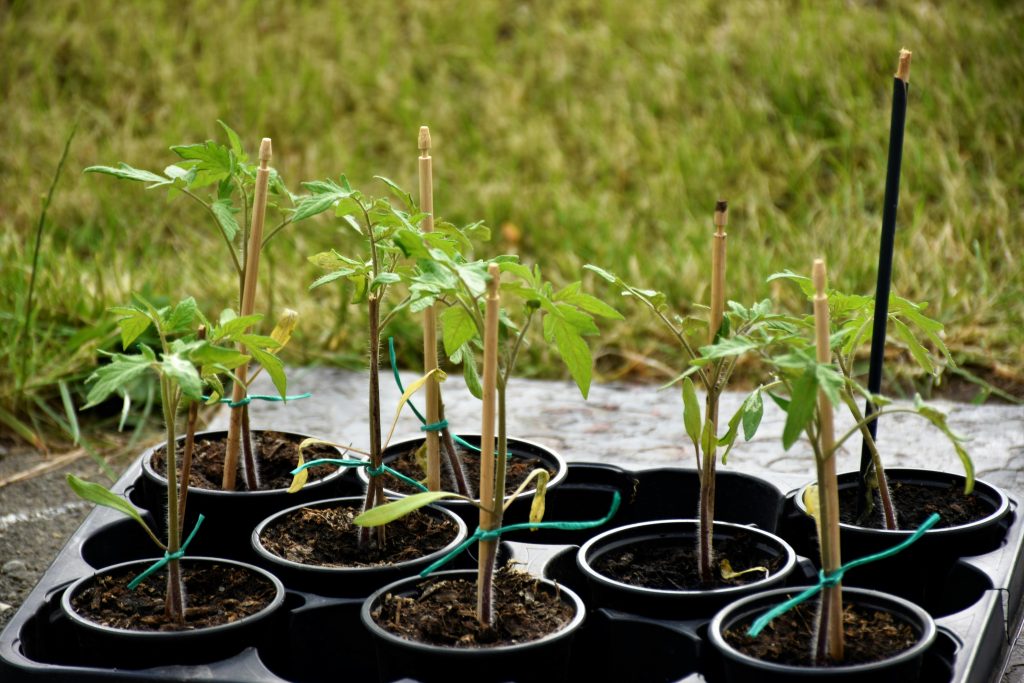
One of the most effective growing hacks for small gardens is to take advantage of vertical space. Crops like beans, cucumbers, peas, certain squash, and some tomato varieties can be trained to grow upward using stakes, cages, trellises, or strings. This frees up ground space for other plants and reduces crowding.
Plant support specialists often note that vertical growing improves airflow and makes harvesting easier. Keeping leaves and fruit off the ground can also help reduce issues like rot and keep crops cleaner.
These space-saving methods also create more open pathways and working areas. When plants grow upward, gardeners spend less time pushing through dense foliage and more time efficiently caring for and harvesting their crops.
 Credit: Timon Reinhard / pexels
2. Group Crops by Height and Light Needs
Another useful growing hack is arranging plants so taller crops don’t block sunlight from smaller ones. In a compact backyard garden, light patterns matter more than many people expect. A row of tall tomatoes or climbing beans can easily shade out greens, herbs, or root crops if the layout isn’t planned carefully.
Garden layout educators often suggest placing taller plants along the back or edges of a bed, where their height works as an advantage rather than a problem. Lower-growing crops can then make full use of available light. This kind of simple arrangement supports more balanced growth across the entire space.
Backyard growing tips tend to work best when they solve multiple issues at once. Organizing plants by height not only improves light access but also makes the garden feel more structured and easier to manage.
3. Use Containers to Fill Unused Corners
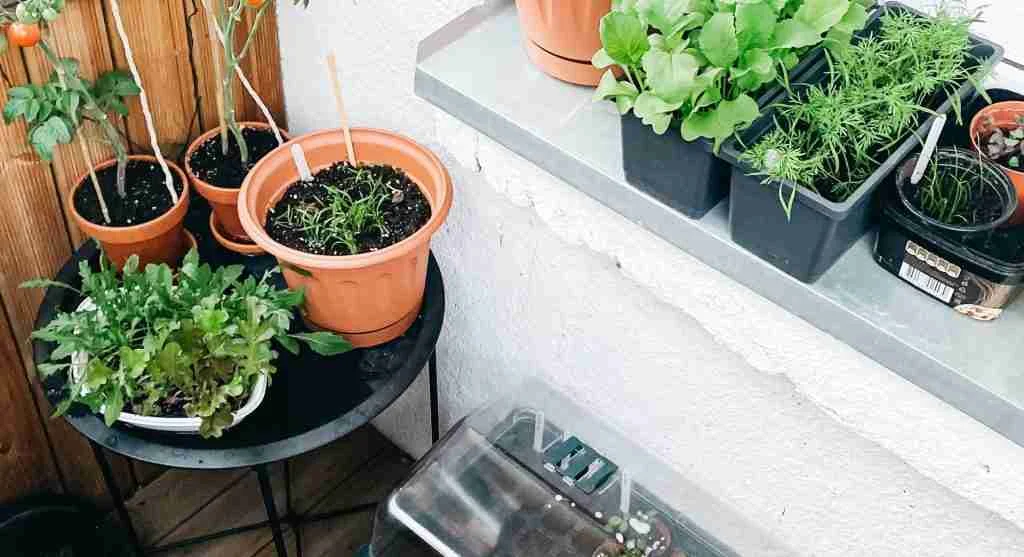
Small gardens often have overlooked spots that don’t fit traditional beds corners near walls, patio edges, or spaces beside pathways. One of the more flexible growing hacks is to treat these areas as active growing zones by using containers.
Container gardening educators often point out that herbs, leafy greens, peppers, and compact vegetable varieties can grow well in pots when soil quality and watering are managed carefully. Containers also allow plants to be moved as sunlight shifts during the season.
Small garden ideas that include containers can increase overall growing space without adding permanent structures. This keeps the layout flexible while preventing the main beds from becoming overcrowded.
4. Leave Clear Paths Instead of Planting Every Gap
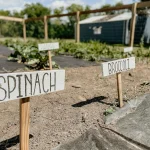
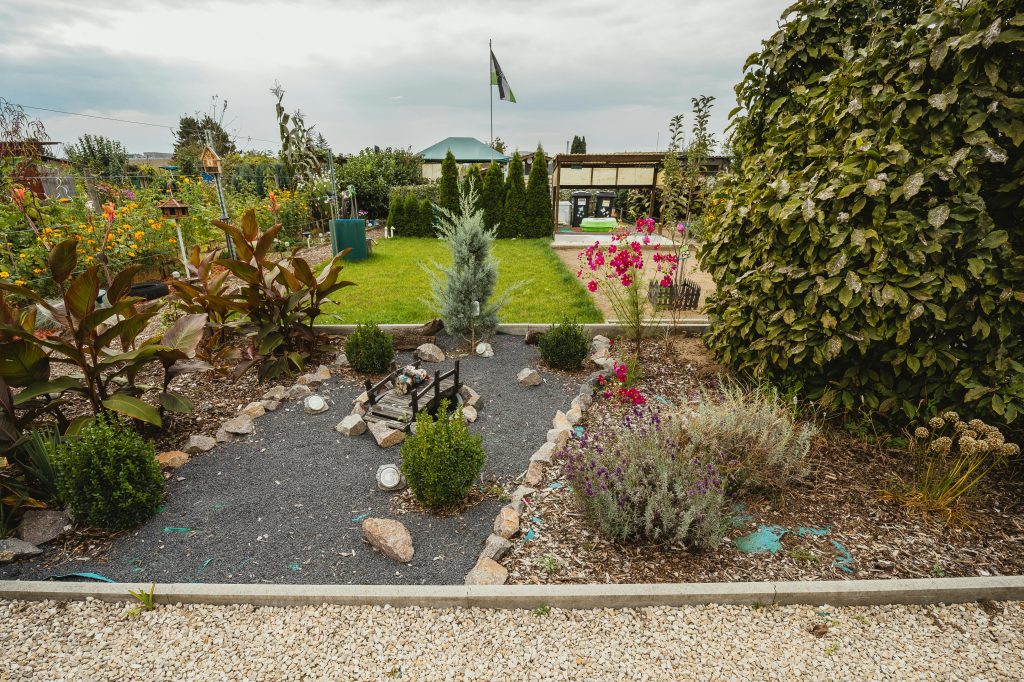
It’s tempting to plant every open space in a small garden, but one of the most important growing hacks is leaving enough room to move comfortably. Clear paths protect plants, reduce accidental damage, and make daily care much easier.
Garden planners often note that accessibility plays a bigger role in productivity than many expect. If it’s hard to reach certain areas, tasks like watering, harvesting, or checking for pests may be delayed or skipped. Well-defined paths support consistent care throughout the season.
Space-saving garden methods should still leave room for maintenance. A slightly less crowded garden often performs better than one that’s packed too tightly to manage.
5. Use Succession Planting to Keep Space Working
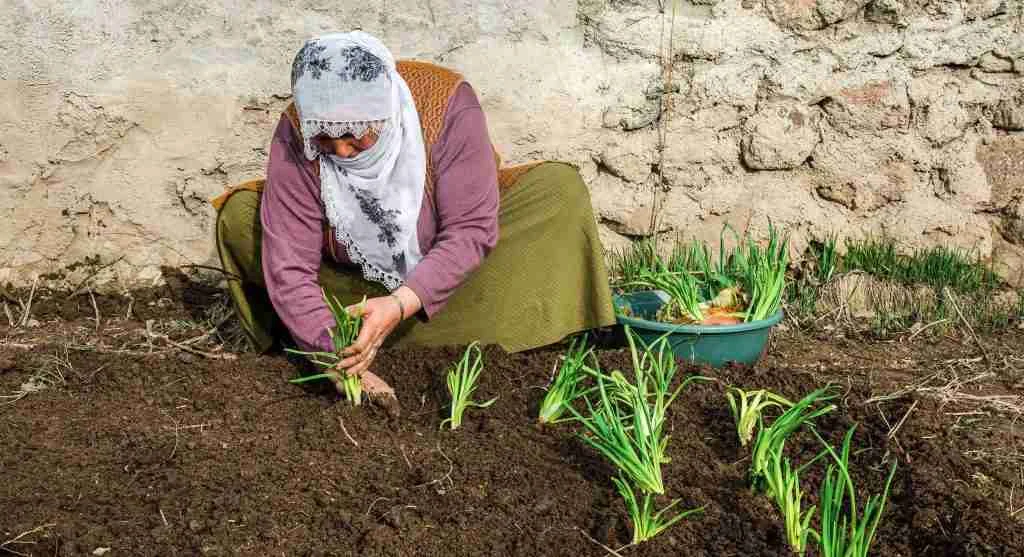
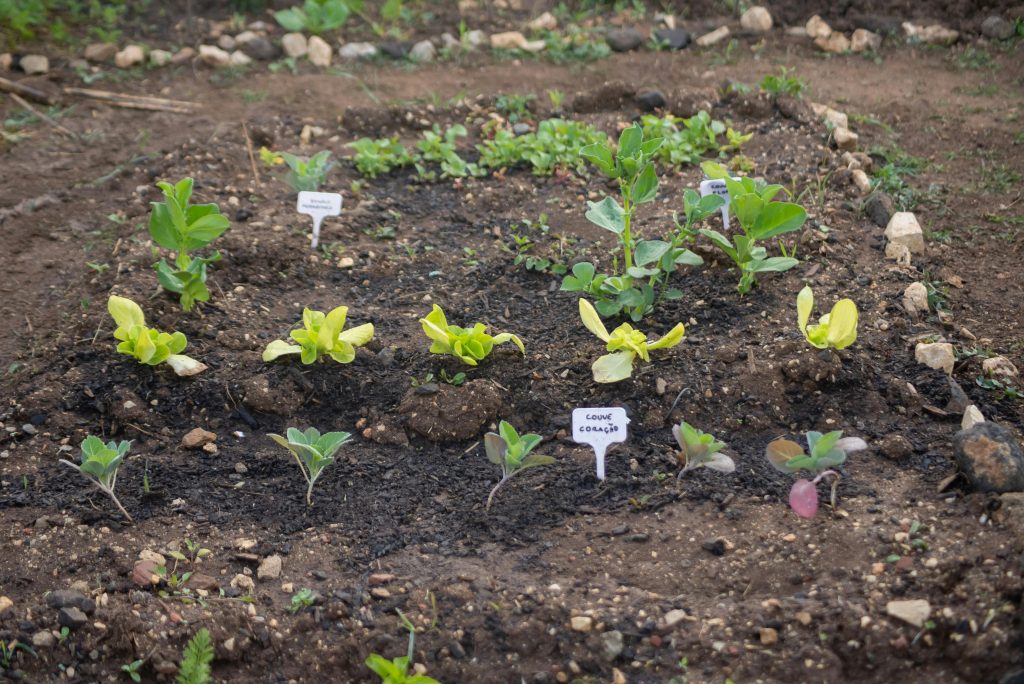
Some of the most effective growing hacks focus on timing rather than layout. Succession planting allows one crop to follow another in the same space as the season progresses. Fast-growing crops like greens, radishes, and herbs can be planted after earlier harvests instead of leaving beds empty.
Crop educators often explain that this approach keeps small gardens productive for longer periods. A bed used for spring greens might later support beans or herbs, and then return to cool-season crops in fall. The same space continues producing across multiple stages of the year.
Backyard growing tips that focus on timing are especially valuable in limited spaces. They increase overall output without requiring additional beds or containers.
 Credit: Kampus Production / pexels
6. Keep the Most Used Crops Closest to Reach
In a busy home garden, some crops are picked regularly while others need only occasional attention. One of the simplest growing hacks is to place frequently used plants like herbs, salad greens, or quick-harvest crops in the most accessible spots. This makes it easier to harvest them at the right time and keeps daily garden tasks more convenient.
Garden designers often refer to this as practical placement. Crops that need frequent care benefit from being close to paths, doors, or watering points, while less demanding plants can be placed farther away. In a small garden, this kind of planning can make a noticeable difference in how smoothly everything runs.
Small garden ideas often work best when they reduce small barriers. When the most-used plants are easy to reach, the entire routine becomes more consistent and enjoyable.
7. Choose Compact Varieties When Space Is Tight
Some plants naturally spread or grow larger than a small garden can comfortably support. One of the most effective growing hacks is choosing varieties bred for compact growth, upright habits, or container-friendly performance. This helps keep the garden balanced and reduces the need for constant trimming or repositioning.
Plant breeders and crop educators often emphasize that variety selection can shape the entire gardening experience. A compact plant that fits the space well will usually perform better than a larger one that struggles to adapt. These smaller varieties are often easier to manage, support, and harvest.
Space-saving garden methods work best when the plant itself suits the available space. Making thoughtful choices early can prevent many layout problems later in the season.
8. Observe What Layout Choices Work Best in Your Yard
Every small garden has its own patterns. Some areas stay shaded longer, some containers dry out faster, and certain beds may consistently produce better results. One of the most valuable growing hacks is to observe these patterns and keep simple notes on what works.
Garden educators often encourage tracking which plants thrived in specific spots, which supports were most helpful, and which layouts made daily care easier. These observations turn one season’s experience into a stronger plan for the next.
Backyard growing tips become more effective when they’re shaped by real conditions. Over time, this kind of observation helps create a garden that feels more organized, productive, and easier to manage year after year.
Frequently Asked Questions
Q: What are the best growing hacks for small gardens?
A: Some of the best growing hacks for small gardens include vertical growing, grouping plants by height, using containers in unused corners, leaving clear paths, and succession planting. These methods help make compact spaces more productive.
Q: How can gardeners use small garden ideas without overcrowding plants?
A: Gardeners can use small garden ideas more effectively by planning for light, airflow, and access instead of filling every gap. A clear layout often works better than a crowded one.
Q: Do space-saving garden methods reduce harvests?
A: Not necessarily. Many space-saving garden methods actually improve harvests by making plants easier to care for and by using vertical space or seasonal timing more efficiently.
Q: Why is succession planting useful in a small backyard garden?
A: Succession planting helps the same space produce more than one crop during the season. This makes a small garden work harder without needing extra land.
Key Takeaway
[INTERNAL LINKING SUGGESTIONS]
- Growing Hacks That Help Backyard Gardens Produce More With Less Work
- Fall Planting Tips That Help Backyard Gardens Stay Productive Longer
- Soil Tips That Help Backyard Gardens Grow Stronger Through the Season