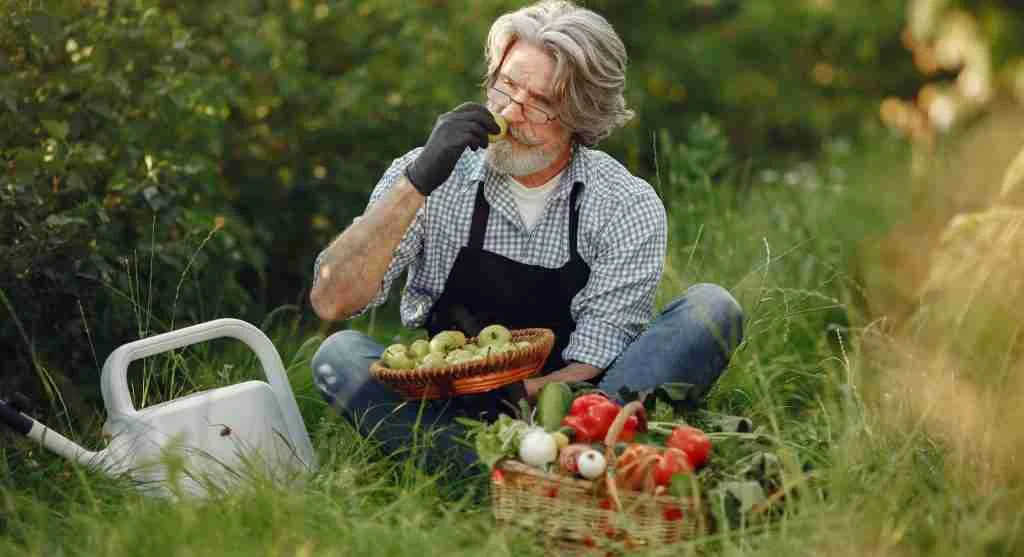
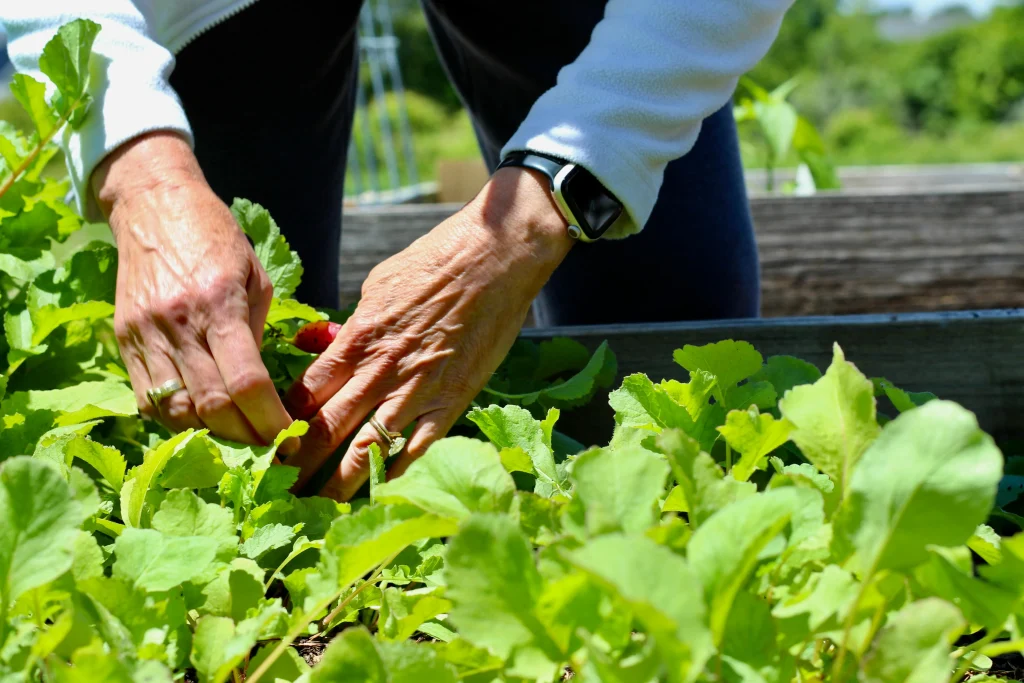

Practical harvest tips can help raised bed vegetables stay fresher, cleaner, and easier to use after picking. Raised beds make crops easy to access, but freshness still depends on timing, handling, and what happens right after harvest. A vegetable picked too late or left sitting in the sun can lose quality faster than many gardeners expect.
Harvest educators, food storage specialists, and experienced growers often explain that success doesn’t end with healthy plants. It also depends on knowing when to harvest, how to handle produce, and how to protect it once it leaves the bed. These harvest tips focus on picking vegetables at the right time and keeping fresh garden produce in better condition from garden to kitchen.
Why harvest tips matter so much in raised beds
Raised beds make harvesting more convenient because crops are easier to reach and usually cleaner. That convenience can speed things up, but it can also lead to rushed picking without checking whether crops are at their best stage or handling them carefully afterward. As a result, vegetables may be picked too late, bruised in containers, or left in the heat longer than they should be.
Researchers who study fresh produce quality often point out that harvest timing and handling affect storage life almost as much as growing conditions. Crops picked at the right moment tend to keep their texture and flavor longer, while those handled roughly can soften or spoil more quickly. In a home garden, these differences often show up within a day or two.
Good harvest habits help protect the effort already put into growing. Raised bed vegetables may look perfect at harvest, but keeping them that way depends on a few careful steps.
Harvest during cooler hours for better freshness
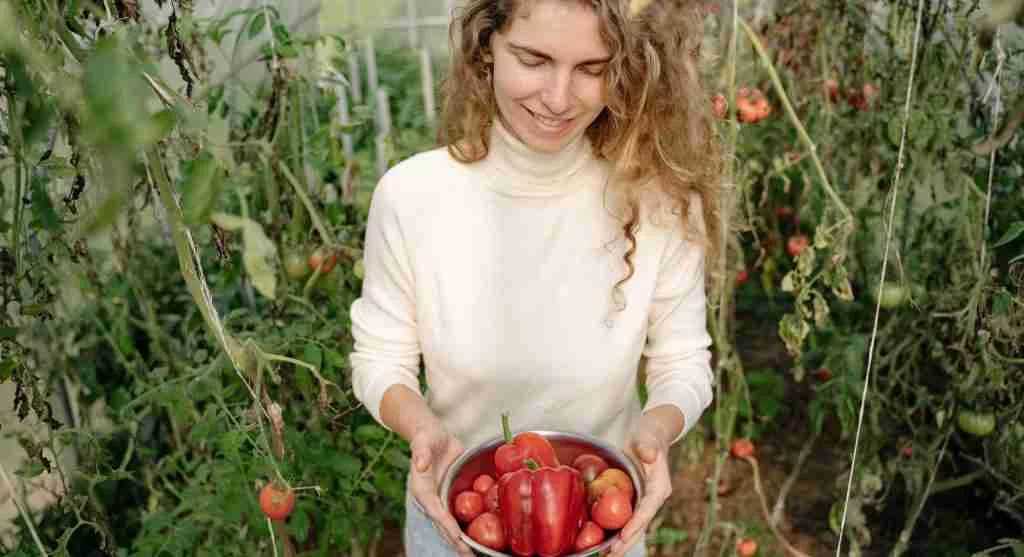
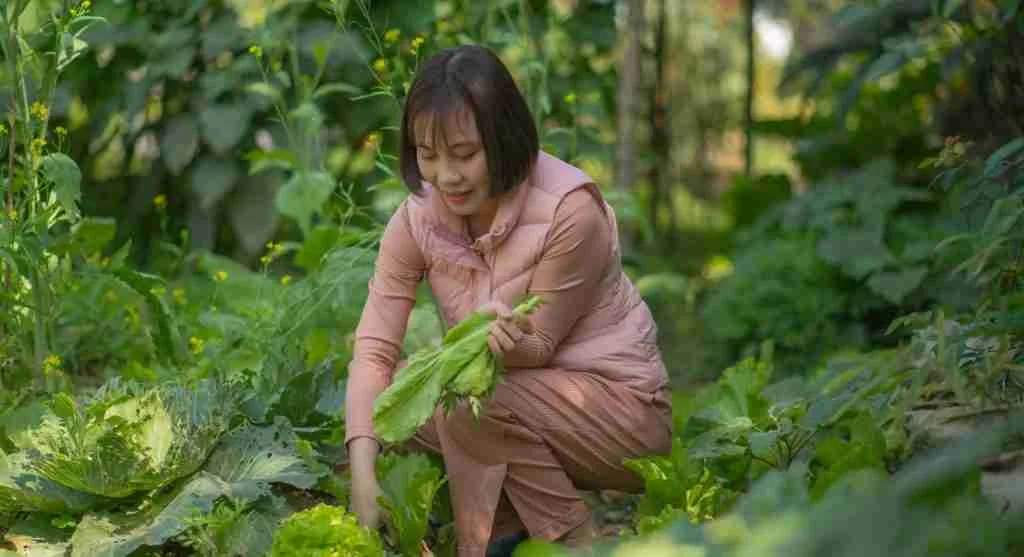
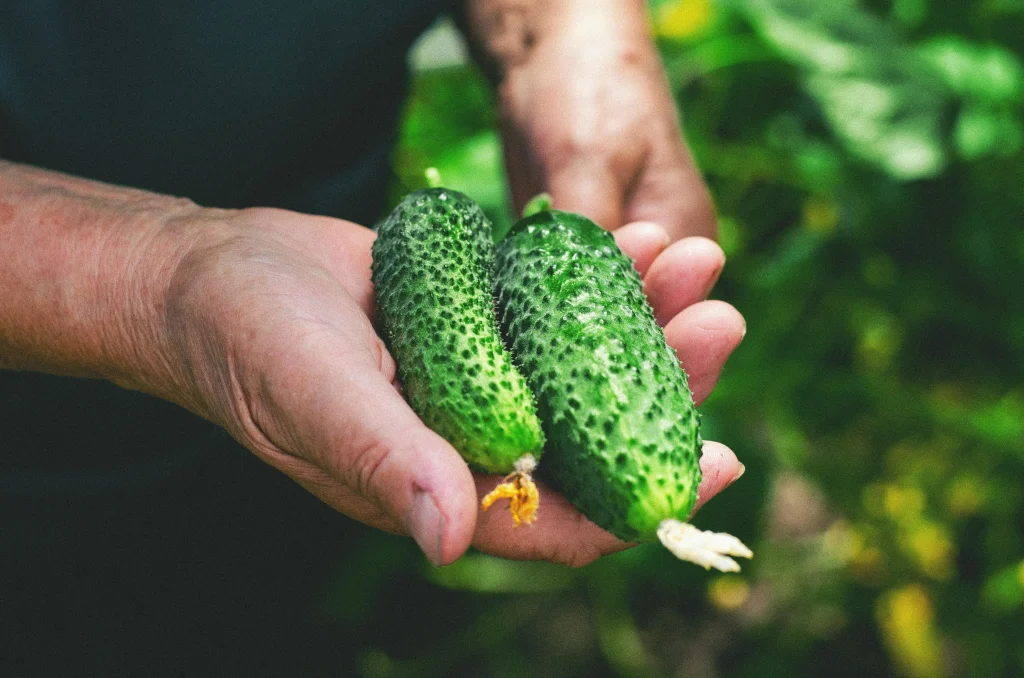
One of the simplest and most effective harvest tips is choosing the right time of day. Early morning is often best for many vegetables and herbs, since plants tend to hold more moisture and firmness before the day heats up. Leafy greens, herbs, cucumbers, beans, and other tender crops usually keep their quality better when picked in cooler conditions.
Produce handling specialists often explain that temperature affects freshness right away. A vegetable harvested in cool air has a clear advantage over one picked in the heat of the afternoon. This becomes even more important if the produce won’t be washed or stored immediately.
Raised beds are easy to access, which makes early harvesting easier to fit into a routine. For gardeners looking to keep produce at its best, this small shift in timing can make a noticeable difference.
Credit: Tamara Elnova / Pexels
Credit: Helena Lopes / Pexels
Harvest Regularly to Keep Raised Bed Crops Productive
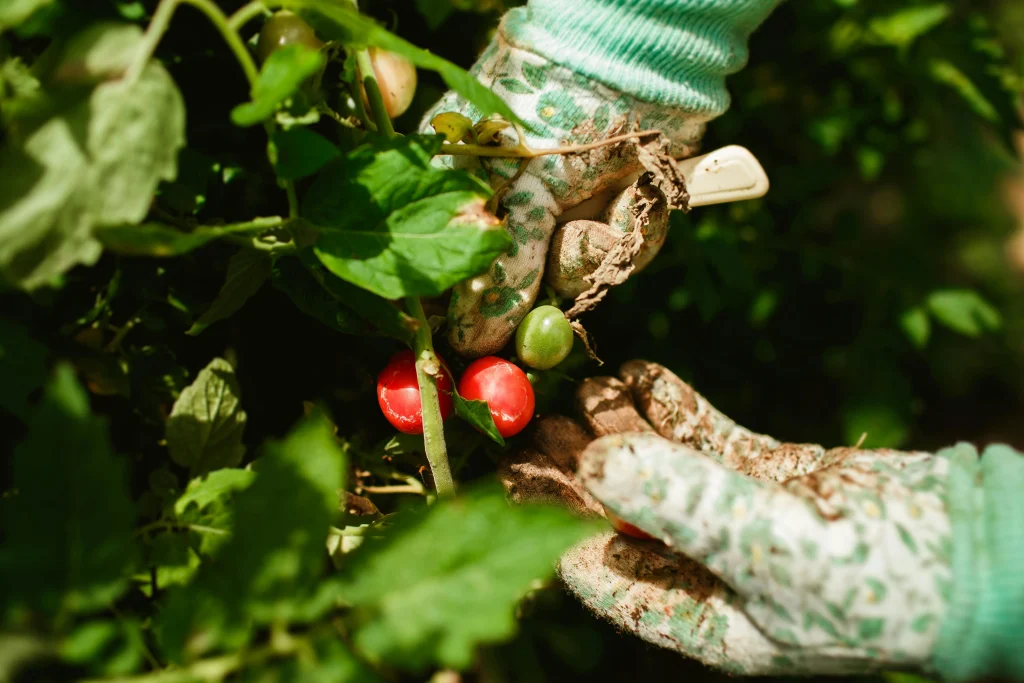
Some crops perform better when they are picked often rather than all at once. Beans, cucumbers, herbs, peppers, and leafy greens may continue producing more steadily when gardeners harvest mature growth on time. This makes regular picking one of the most practical harvest tips for raised bed systems.
Crop specialists often note that regular harvest helps growers notice shifting crop quality before vegetables pass their best stage. It also creates more frequent chances to inspect the bed for pests, moisture issues, and new ripening growth. In a compact raised bed, this routine is often easy to maintain.
Raised bed harvest becomes more efficient when it is treated as part of normal care instead of a separate major event. Frequent, smaller harvests often improve both quality and yield over time.
Separate Crops by Their Storage Needs Right Away
Not every vegetable should be handled the same way after harvest. One of the more useful harvest tips is separating tender crops from sturdier ones as soon as they are picked. Leafy greens, herbs, and peas often need quicker cooling and gentler handling, while onions, garlic, and some squash may tolerate different post-harvest treatment.
Food storage specialists often explain that mixing all crops together can increase bruising and reduce storage quality. A basket of mixed harvest may look convenient, but it does not always protect the most delicate produce. Even simple sorting during harvest can make later storage easier and more effective.
Gardeners do not need a complicated system to do this well. A couple of baskets or crates can be enough to separate tender fresh garden produce from sturdier crops during a raised bed harvest.
Keep Notes on Best Harvest Timing for Each Bed
Every raised bed has its own rhythm based on crop type, sunlight, and seasonal weather. One of the smartest harvest tips is keeping simple notes on when crops tasted best, how long they stored, and which harvest stages worked most successfully. These details often become easier to use in future seasons than general advice alone.
Garden educators often suggest noting the size at harvest, the date, and whether the produce stayed crisp or softened quickly. Over time, these notes help gardeners pick vegetables at the right time more consistently. They also reveal which raised beds warm faster or mature crops earlier than others.
Fresh garden produce is easier to manage when harvesting becomes a learned pattern. Notes help turn each season into better timing and better decisions for the next one.
Frequently Asked Questions
Q: What are the best harvest tips for raised bed vegetables?
A: Some of the best harvest tips include harvesting during cooler hours, picking vegetables at the right time, using clean tools, keeping produce out of direct sun, and sorting crops by storage needs. These habits help keep produce fresher after picking.
Q: Why should gardeners pick vegetables at the right time instead of waiting longer?
A: Picking vegetables at the right time helps preserve texture, flavor, and storage life. Many crops become tougher, coarser, or less balanced in flavor if they stay on the plant too long.
Q: How can gardeners keep fresh garden produce from wilting after harvest?
A: Gardeners can reduce wilting by harvesting in cooler hours, using shade right away, and handling crops gently. Tender produce usually keeps quality better when it is protected from heat as soon as it is picked.
Q: Does regular raised bed harvest help plants keep producing?
A: Yes, many crops continue producing better when mature vegetables or herbs are harvested on time. Regular picking often supports both crop quality and ongoing production.
Key Takeaway
These harvest tips show that freshness depends on more than healthy growth in the bed. Raised bed harvests stay in better condition when gardeners pick vegetables at the right time, use gentle handling, avoid direct heat, and match storage methods to each crop. Regular picking and simple notes also improve future harvest decisions. For most gardeners, the best harvest tips are the ones that protect fresh garden produce from the moment it is picked.
[INTERNAL LINKING SUGGESTIONS]
- Water Saving Tips That Help Raised Beds Hold Moisture More Effectively
- Pest Control Tips That Help Raised Beds Stay Cleaner and More Productive
- Soil Tips That Help Raised Beds Stay Productive for Longer