Useful garden tips can make a backyard growing space much easier to manage from week to week. Many gardens start the season with a clean layout and good intentions, but over time beds can become harder to work with as weeds spread, tools get left out, and plants grow into access areas. A few simple habits can help keep things organized without turning daily care into a burden.
Garden planners, crop educators, and experienced home growers often point out that tidy beds aren’t just about appearance. A well-kept space makes watering, checking plants, harvesting, and solving problems much more manageable. These garden tips focus on practical ways to support backyard garden care, maintain tidy beds, and build a routine that stays workable throughout the season.
Why garden tips matter for daily backyard garden care
Backyard gardens tend to do best when small tasks are handled early, before they turn into bigger ones. A space that’s easy to walk through, simple to check, and quick to water is far more likely to be maintained regularly than one that feels crowded or difficult to navigate.
Researchers studying home food production often find that steady attention matters more than occasional bursts of heavy effort. When a gardener can move comfortably through the space and quickly understand what each area needs, it becomes easier to stay consistent. That consistency supports healthier plants and fewer ongoing problems.
A tidy setup also makes it easier to spot changes. Wilting leaves, pest damage, uneven growth, or dry areas are much more noticeable when the garden isn’t cluttered. Good backyard garden care often starts with clear visibility and easy access.
Keep pathways clear so the garden stays easy to use
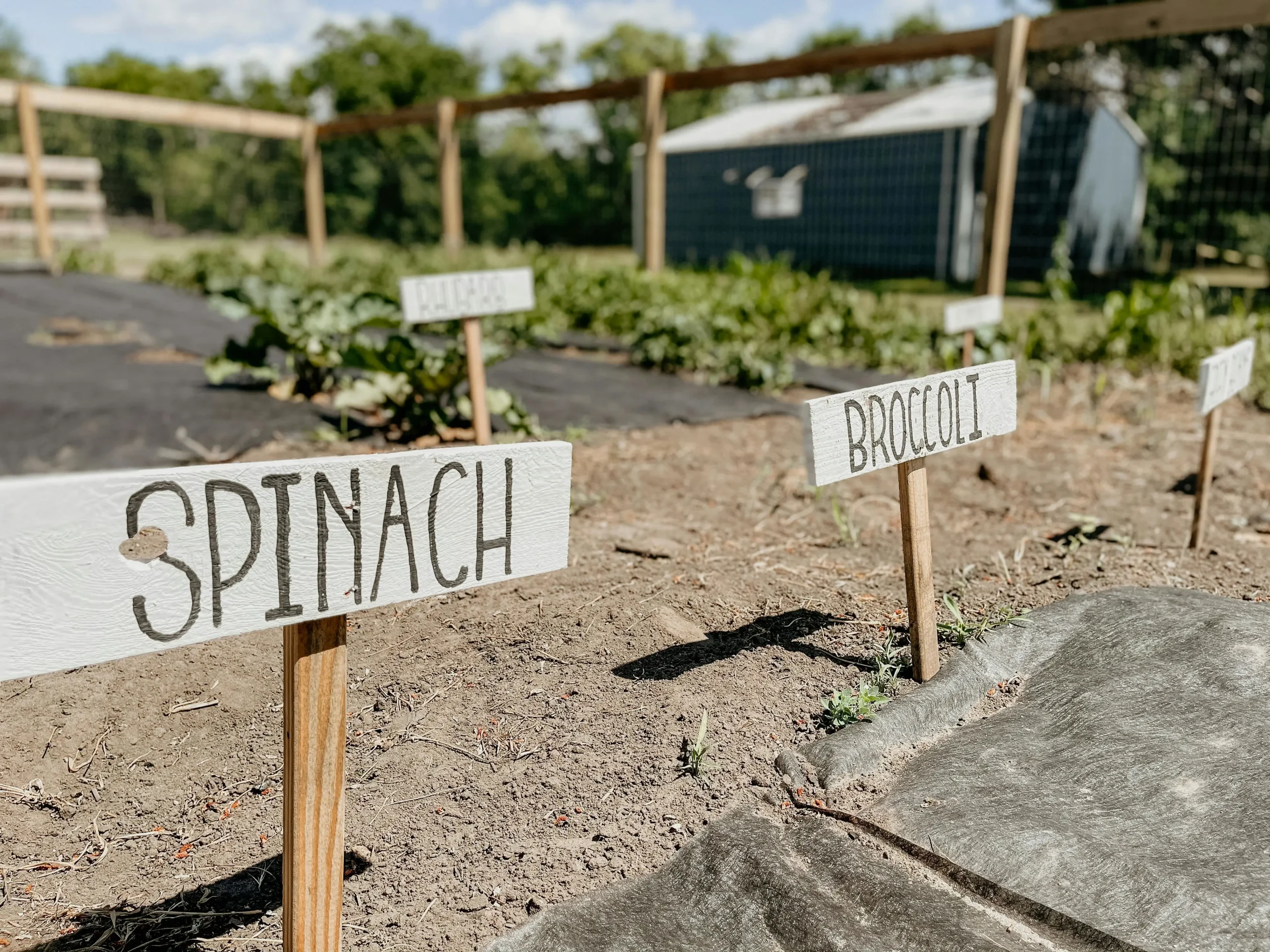
One of the most practical garden tips is to keep pathways open between beds and growing areas. When paths become blocked by tools, weeds, or spreading plants, even simple tasks start to feel more difficult. Over time, this can lead to skipped checks or delayed maintenance.
Garden layout experts often suggest treating pathways as an essential part of the garden rather than unused space. Clear paths help prevent accidental damage to plants, make watering and harvesting easier, and keep the entire area more organized.
Tidy garden beds often depend on clear access. When pathways stay open, every other task in the garden becomes quicker and easier to manage throughout the week.
Credit: Helena Lopes / Pexels
Use mulch to support tidy garden beds
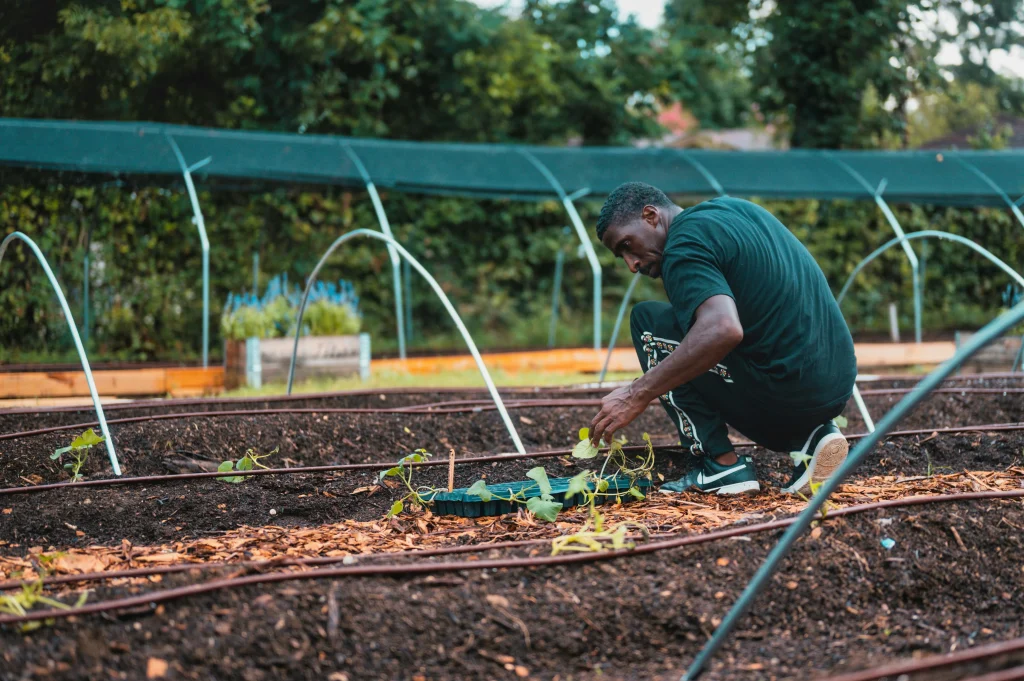
Mulch does more than help soil retain moisture—it also keeps garden beds looking cleaner and easier to manage. One of the most practical garden tips is to use mulch in areas where it can reduce weeds, protect the soil surface, and clearly define the layout.
Soil and garden educators often describe mulch as a tool that improves both function and appearance. It can help prevent muddy patches after rain, reduce soil splashing onto leaves, and make the edges of beds and pathways easier to see. In a backyard setting, this can make the entire space feel more organized and settled.
Backyard garden care becomes simpler when weeds are easier to control and moisture levels stay more consistent. Mulch supports both, while also helping beds maintain a clean, structured look throughout the growing season.
Group similar crops together for an easier garden routine
Another useful approach is grouping crops with similar needs in the same area. Plants that require the same watering schedule, harvest timing, or support structures are much easier to manage when they’re kept together instead of spread across the yard.
Crop planners often point out that this reduces decision-making. Instead of adjusting care for individual plants in different spots, you can focus on one section at a time. Greens can be checked together, climbing plants supported together, and water needs handled more efficiently when similar crops are nearby.
An easier garden routine often comes from reducing extra movement and repeated small choices. Grouping plants thoughtfully helps the space feel more organized and easier to manage at a glance.
Remove small problems before they spread across the bed
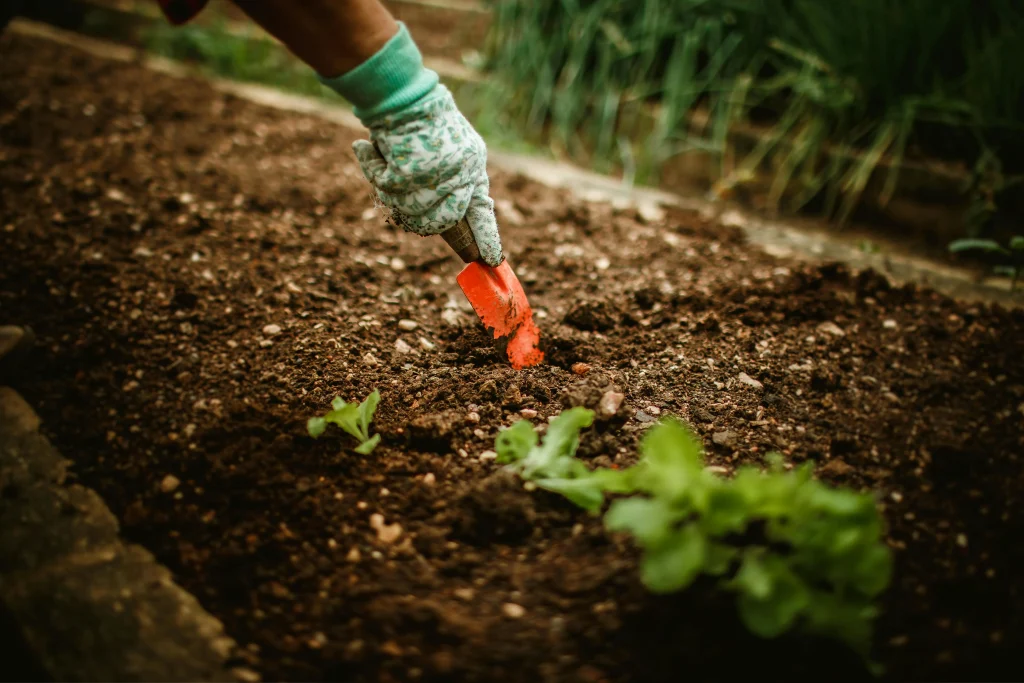
Some of the most effective garden tips come down to timing. A few weeds, a loose support, or slightly damaged leaves might not seem urgent, but they’re much easier to fix early. Left too long, small issues can spread and turn a tidy bed into something harder to restore.
Garden educators often recommend short, regular walks through the garden instead of waiting for a full maintenance session. These quick checks make it easier to spot where weeds are starting, where plants need support, or where certain areas are drying out faster than others.
Backyard garden care tends to work best when it follows a steady rhythm. A few minutes of attention at the right time can prevent a much larger cleanup later on.
Credit: Alfo Medeiros / Pexels
Keep Tools Close to the Jobs They Support
A garden often feels harder to manage when common tools are never where they are needed. One of the simplest garden tips is keeping frequently used items such as gloves, pruners, hand tools, and harvest baskets near the areas where they are used most. This saves time and makes it easier to act on small tasks right away.
Outdoor work planners often recommend small storage points rather than one crowded shed corner for everything. A weather-safe bin, a simple hook area, or a basket near the garden entrance can help reduce backtracking and clutter. This kind of arrangement supports a smoother easy garden routine.
Tidy garden beds are easier to keep that way when tools are easy to return to the right place. Small systems often support long-term order better than large cleanup efforts.
Harvest Often So Beds Stay Productive and Orderly
Regular harvesting is one of the more overlooked garden tips for keeping beds neat. Crops left too long on the plant may become oversized, block access, or slow new production. Frequent picking often keeps plants producing better while also keeping the bed visually and practically easier to manage.
Harvest educators often note that regular picking creates a natural inspection routine. While gathering produce, gardeners also notice weeds, wilt, insect damage, and broken stems. This turns harvesting into both a productive and maintenance-focused task.
Backyard garden care becomes more efficient when harvest is treated as part of routine upkeep. This helps the space stay useful, active, and easier to maintain from week to week.
Use Short Weekly Resets to Keep the Garden Under Control
Even well-kept gardens benefit from a weekly reset. One of the best garden tips for long-term order is setting aside a short period each week to tidy paths, collect tools, remove damaged plant material, empty harvest containers, and prepare for the next few days of work. This helps prevent clutter from slowly taking over the space.
Garden planners often explain that a short reset is easier to maintain than a major monthly cleanup. It keeps the garden in working condition and reduces the feeling that everything needs attention at once. This matters especially during busy growing and harvest periods.
An easy garden routine often becomes possible only when a reset habit is in place. A short effort at the right time keeps tidy garden beds from slipping into disorder later.
Keep Notes on What Helps the Garden Stay Manageable
Every backyard space has its own patterns. Some beds stay tidy easily, while others gather weeds faster or become harder to water evenly. One of the smartest garden tips is recording which layouts, materials, and routines actually help the garden stay manageable in that specific yard.
Garden educators often encourage simple notes about mulch performance, path design, crop grouping, and maintenance timing. These notes do not need to be complex. Even a short reminder about which bed stayed easiest to manage can improve planning in the next season.
Good backyard garden care becomes stronger when it is based on observation rather than memory alone. Notes help turn general garden tips into a better system for the actual space.
Frequently Asked Questions
Q: What are the best garden tips for keeping backyard beds neat?
A: Some of the best garden tips include keeping paths clear, using mulch, grouping similar crops together, fixing small problems early, and doing short weekly resets. These habits help beds stay more organized and easier to manage.
Q: Why are tidy garden beds easier to care for?
A: Tidy garden beds are easier to care for because plants, tools, and paths are easier to reach and inspect. This makes watering, harvesting, and problem-solving more efficient.
Q: How can gardeners create an easy garden routine?
A: Gardeners can create an easy garden routine by grouping similar tasks, storing tools close by, checking beds regularly, and setting aside short reset time each week. Simple systems are often easier to maintain than complicated plans.
Q: Does mulch really help backyard garden care?
A: Yes, mulch often helps backyard garden care by reducing weeds, protecting moisture, and keeping soil and pathways cleaner. It supports both easier maintenance and a more organized appearance.
Key Takeaway
These garden tips show that neat beds often come from simple routines rather than extra effort. Clear paths, mulch, grouped crops, early maintenance, nearby tools, regular harvest, and short weekly resets all help support tidy garden beds and stronger backyard garden care. Notes also make it easier to improve the system over time. For many growers, the best garden tips are the ones that keep the space easier to understand and easier to manage every week.
[INTERNAL LINKING SUGGESTIONS]
- Growing Hacks That Help Small Backyard Gardens Use Space Better
- Harvest Tips That Help Raised Bed Vegetables Stay Fresh After Picking
- Soil Tips That Help Raised Beds Stay Productive for Longer
Leave a Reply