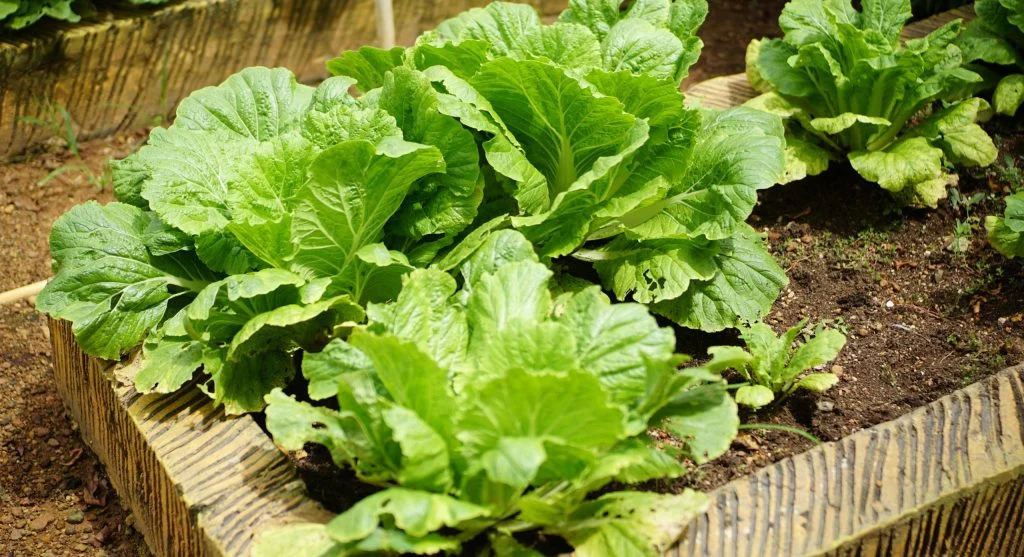

Useful garden tips can help backyard growers notice spacing problems before a productive bed turns into a crowded and harder-to-manage growing space. Many gardens do not look too tight at the start of the season. The trouble often appears later, when leaves widen, stems lean, and neighboring plants begin competing for the same light, air, and room. By then, simple daily work may already be becoming more difficult.
Garden educators, crop planners, and experienced home growers often explain that spacing is not only a planting-day decision. It is also something that needs to be watched as the bed develops. These garden tips focus on how to read plant spacing problems early, reduce pressure in crowded garden beds, and build a better backyard bed layout before growth becomes harder to correct.
Why Garden Tips Matter for Spacing Problems
A bed can look healthy and still be slowly moving toward crowding trouble. Leaves may begin overlapping too heavily, lower stems may disappear from view, and harvest paths may become harder to use even though the plants still look green and productive. If the gardener waits until the bed feels completely tangled, the easiest correction stage may already be gone.
Researchers who study home garden productivity often note that spacing affects airflow, light use, watering accuracy, and harvest access. This is why garden tips about spacing matter so much. A bed that grows too close too soon often becomes more stressful to care for and more likely to develop small problems that spread quietly.
Better backyard bed layout often starts with learning how to read the warning signs of crowding before the bed reaches its busiest stage. Those signs usually appear earlier than many gardeners expect.
Watch Where Leaves Start Touching First
One of the strongest garden tips for spotting spacing trouble is watching the first places where leaves begin pressing together. This usually happens before the whole bed looks crowded from a distance. A small patch of leaf contact can show where airflow is starting to tighten and where one crop may soon begin shading another too much.
Garden educators often recommend checking the middle and lower sections of the bed, not only the outer edges. The first overlap often begins where growth is hardest to see from above. If two crops are already sharing the same air space there, the bed may soon feel much tighter overall.
Plant spacing problems often begin quietly in these first leaf-to-leaf contact points. Catching them early makes later decisions much easier.
Notice When the Bed Becomes Harder to Look Into
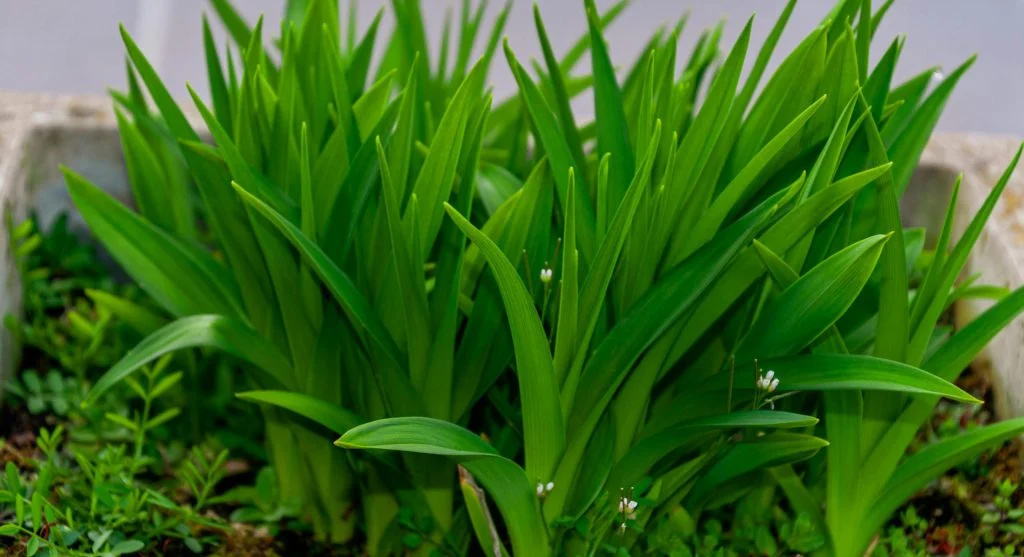
Another of the most useful garden tips is paying attention to visibility. A bed that is spaced well usually allows the gardener to see into it with reasonable ease. Once stems, leaf undersides, lower growth, and soil surface become difficult to inspect, spacing may already be starting to work against good care.
Plant health specialists often explain that crowding is not only about how the bed looks from above. It is also about how easy it is to inspect for water needs, early pest signs, broken stems, and harvest-ready produce. When the bed becomes too visually closed, these jobs often get delayed or become less accurate.
Crowded garden beds usually announce themselves by becoming harder to read. Reduced visibility is often one of the clearest early warnings the gardener will get.
Check Whether Watering Has Become Less Accurate
One of the more overlooked garden tips is noticing whether watering has become harder to do well. If leaves block the root zone, if water begins landing mostly on foliage, or if one crop is shielding another too heavily, the bed may be entering a tighter stage than the original plan expected.
Water educators often note that good spacing supports accurate watering because the grower can still reach the base of the plants and read how moisture is moving through the soil. When spacing becomes too tight, even a careful watering routine may lose accuracy. That often leads to uneven growth and added stress later.
Plant spacing problems often reveal themselves through watering difficulty before they show up as obvious damage. That makes watering one of the best daily clues to watch.
Notice When Harvest Starts Taking Longer Than It Should
One of the smartest garden tips for spotting crowding is paying attention to harvest time. If simple picking suddenly requires moving several leaves, leaning into the bed, or searching much longer for ripe produce, the spacing may no longer be working as intended. A bed that is easy to harvest usually remains easy to manage in other ways too.
Harvest educators often explain that crowded growth hides produce, slows picking, and increases the chance of missed harvests. That matters because missed produce may create extra weight, shading, or decline in the same already-crowded bed. Slower harvest often becomes part of a wider spacing problem.
Better backyard bed layout is often reflected in how easy it feels to gather food. A harvest that becomes awkward too early may be revealing a spacing issue that needs attention.
Read the Difference Between Healthy Fullness and Problem Crowding
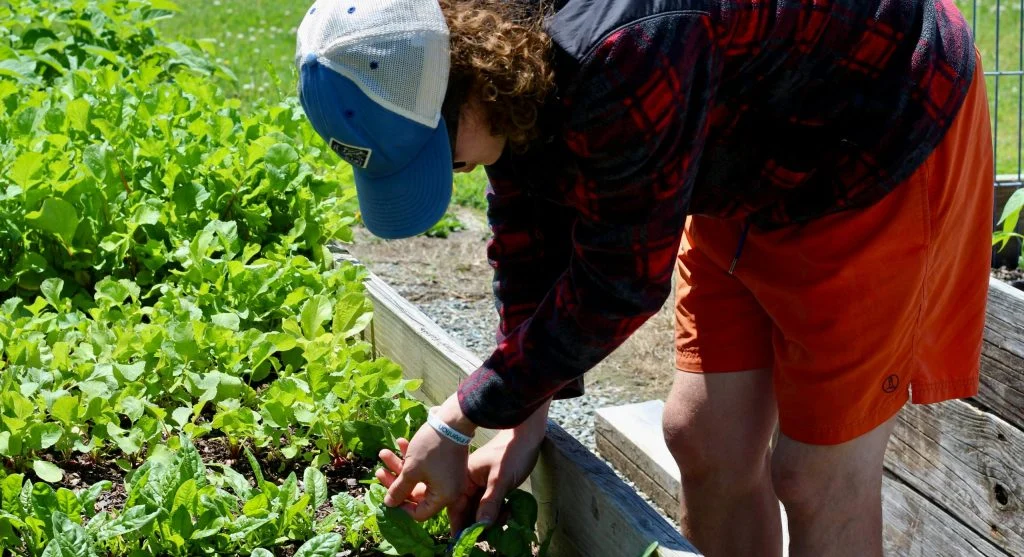
One of the best garden tips is learning that full beds and crowded beds are not always the same thing. A productive bed may look rich and full while still allowing air, light, and access. Problem crowding begins when those basic functions start to weaken. The difference is not always visual density alone. It is how the bed performs under that density.
Garden planners often suggest asking simple questions. Can the base of the crop still be reached? Can the soil be seen in at least some places? Can leaves dry and move naturally? Can harvest happen without breaking stems? If the answer becomes no too often, the bed may already be crossing from healthy fullness into crowding trouble.
Crowded garden beds are often defined more by what they prevent than by how large they look. Performance matters more than appearance alone.
Use Small Corrections Before the Bed Needs Bigger Ones
One of the more practical garden tips is responding early with smaller changes. A support tie, one removed leaf cluster, timely harvest, better guiding of a stem, or thinning of one overfilled row may be enough when spacing pressure is still limited to part of the bed. Waiting too long often turns simple changes into harder decisions.
Garden educators often explain that small corrections usually preserve the bed’s productivity better than late heavy fixes. They also reduce the chance that one crowded section will affect the rest through shading, weak airflow, or missed care. Quick response helps the gardener keep the bed useful without overreacting.
Plant spacing problems are often easiest to solve while they still feel small. A little early action usually protects a lot of later work.
Keep Notes on Which Crops Always Fill In Faster Than Expected
One of the strongest garden tips for future planning is writing down which crops or crop combinations always seem to outgrow their space. Some vegetables may look modest at planting time and then fill the bed far faster than expected once heat and moisture increase. Without notes, those lessons are easy to relearn every year.
Garden educators often recommend noting crop type, where it was planted, what it grew beside, and how soon spacing started to feel tight. These observations help improve future layout decisions and make the next season easier to plan with more confidence.
Better backyard bed layout is often built from these small lessons. Notes help turn one season’s spacing trouble into next season’s clearer starting plan.
Frequently Asked Questions
Q: What are the best garden tips for spotting spacing problems early?
A: Some of the best garden tips include watching where leaves touch first, noticing when the bed becomes harder to inspect, checking whether watering and harvest are getting more difficult, and making small corrections before crowding becomes severe.
Q: Why do crowded garden beds become harder to manage?
A: Crowded garden beds become harder to manage because airflow weakens, visibility drops, watering becomes less accurate, and harvest access gets worse. These changes often make routine care slower and less effective.
Q: How can gardeners tell the difference between healthy fullness and too much crowding?
A: Gardeners can tell the difference by asking whether air, light, root-zone access, and harvest access still work well. A full bed can still function well, but a crowded one starts preventing good care.
Q: What helps create a better backyard bed layout in future seasons?
A: A better backyard bed layout usually comes from noticing which crops fill space faster than expected, how different crop pairings behave, and where spacing trouble first begins. Notes make future planning much stronger.
Key Takeaway
These garden tips show that spacing problems often become easiest to fix when they are noticed before the whole bed looks obviously crowded. Early leaf contact, weaker visibility, harder watering, and slower harvest all help reveal when crowded garden beds are beginning to work against the grower. Small corrections and careful notes also help create a better backyard bed layout in future seasons. For many gardeners, the best garden tips are the ones that help them read crowding while the bed is still easy to improve.