
Useful farm life tips can help backyard growers make daily work smoother by setting up small supply stations in the right places instead of keeping every item in one crowded storage spot. Many outdoor chores take longer than they should because the grower keeps walking back and forth for gloves, ties, baskets, labels, pruners, or watering tools. These delays may seem minor on their own, but they can quietly break the rhythm of the whole garden routine.
Homestead educators, outdoor planners, and experienced backyard growers often explain that organized work flow matters just as much as hard work. A garden does not need more equipment to run better. It often needs better placement of the tools already being used every day. These farm life tips focus on how to build backyard supply stations, support daily outdoor chores, and create an organized garden workflow that saves steps and reduces repeated frustration.
Why Farm Life Tips Matter for Supply Placement
In many backyard gardens, the biggest loss of time comes from repeated small interruptions rather than one major task. A grower begins tying plants, then has to search for more string. A quick harvest turns into a longer trip because the basket was left elsewhere. A watering check becomes slower because gloves or hand tools are in another corner of the yard. These interruptions often make the whole space feel less manageable than it really is.
Researchers who study work efficiency in small outdoor systems often note that layout affects follow-through. When essential supplies are close to the jobs they support, chores are more likely to be completed on time and with less stress. This is why farm life tips matter so much for supply placement. A better garden workflow often begins not with new tools, but with better locations for familiar ones.
Daily outdoor chores often become much easier when the garden is arranged to support motion instead of interrupting it. Supply placement is often part of that support.
Start by Noticing Which Items Keep Leaving Their Proper Place
One of the strongest farm life tips is identifying the tools and materials that are always moving around the garden. Pruners, gloves, plant ties, markers, harvest baskets, hand trowels, and hose attachments often drift from one area to another because they are needed so often. These are usually the best items to organize first.
Outdoor planners often recommend paying attention to what keeps getting carried and where it usually ends up. If the same few things are always being borrowed from the main storage area and then left by the beds, that pattern is useful information. It often means the garden is asking for a smaller nearby station rather than one central storage spot for everything.
Backyard supply stations usually work best when they are built around real repeated habits instead of a perfect-looking plan. The most useful station often begins with the items that already travel the most.
Group Supplies by Task Instead of by Object Type
Another of the most useful farm life tips is organizing small stations by job rather than by random category. A tying station, a harvest station, a seed-starting station, or a quick bed-care station often works better than one bin for all cutting tools, another for all containers, and another for unrelated loose items. Job-based storage often fits the way the work actually happens.
Garden educators often explain that task grouping reduces hesitation. Instead of gathering three or four separate things from different spots, the grower picks up one small set and begins. This is especially helpful during short weekday sessions when there is only enough time for one focused chore. The easier it is to start, the more likely the job gets done well.
An organized garden workflow usually becomes stronger when the station matches a real routine. Supply grouping works best when it follows action instead of storage theory.
Place Small Stations Close to the Bed Zones That Use Them Most
One of the smarter farm life tips is placing the station near the work, not only near the main storage area. A harvest basket station works best where harvest begins. A tying and support station belongs near the crops that keep needing ties. A watering helper area should sit where quick adjustments are most often made. Distance often decides whether a station truly saves time or just looks organized.
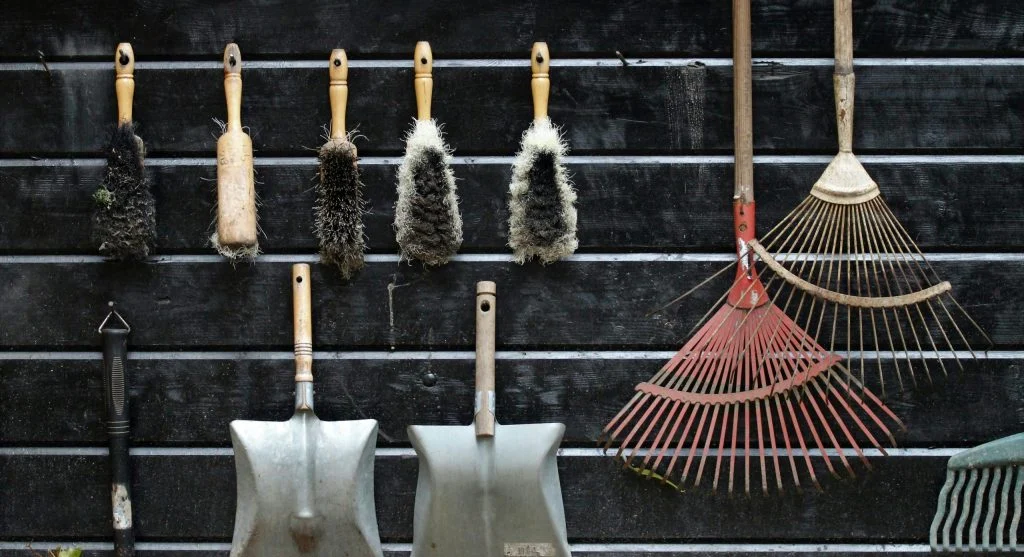
Outdoor work specialists often note that small stations do not need to be large to be useful. A weather-safe box, a wall hook setup, or a covered basket may be enough if it is located well. The right place often matters more than the size of the setup.
Backyard supply stations usually become effective only when they reduce steps in real life. Nearness often determines whether the system gets used every day or ignored after a week.
Keep Each Station Small Enough That It Stays Easy to Reset
One of the more practical farm life tips is resisting the urge to make every supply station too big. Once a small station starts holding too many items, it often becomes cluttered, confusing, and harder to maintain. A station that was meant to save time may then start wasting it instead.
Garden planners often recommend limiting each station to the items most closely tied to one job. A few ties, gloves, scissors, and labels may be enough for a support station. A few baskets, a small brush, and a sorting tray may be enough for a harvest station. Simpler stations are usually easier to refill and easier to trust.
Daily outdoor chores often move more smoothly when the station remains clear and specific. Small stations tend to stay useful longer than overloaded ones.
Protect Stations From Weather Without Hiding Them Too Much
One of the best farm life tips is making sure outdoor stations are protected enough to stay practical in changing weather. Supplies left fully exposed may become wet, faded, dirty, or less useful, but stations hidden too far away often stop getting used. The goal is protection without losing convenience.
Outdoor planners often suggest simple covers, lidded boxes, sheltered hooks, or partially protected corners near the work area. This keeps the items ready while still making them easy to reach quickly. A station that is both protected and visible often performs best through regular use.
An organized garden workflow often depends on keeping supplies accessible in real conditions, not only in good weather. Protection and visibility should support each other.
Use the End of the Day to Refill and Rebalance the Stations
One of the more overlooked farm life tips is linking the evening reset to the supply stations. A station only saves time if it stays stocked and orderly. If the ties are gone, the gloves are missing, or the harvest baskets are still dirty from yesterday, the system breaks down quickly.
Garden educators often recommend using the end-of-day routine to return, refill, and lightly check the smaller stations. This does not need to take long. The main goal is making sure tomorrow’s most common jobs can begin without a search. A one-minute refill now often saves several interruptions later.
Daily outdoor chores stay easier when the stations are treated as active tools rather than as static storage. A small reset keeps them ready to do their job again.
Keep Notes on Which Stations Actually Save the Most Time
One of the strongest farm life tips for long-term improvement is recording which small stations truly make a difference. Some may save several trips a day, while others may not be used often enough to justify their place. These notes help the gardener improve the system over time instead of keeping stations only because they looked like a good idea at first.
Outdoor work educators often suggest noting which tasks became easier, which stations stayed organized longest, and which items still seemed to go missing. These simple observations make it easier to refine the layout and move supplies to better spots later. A garden workflow improves best when it is adjusted from real use, not from first plans alone.
Backyard supply stations often become more helpful each season because the gardener learns which ones truly support the way work happens. Notes help that learning last.
Frequently Asked Questions
Q: What are the best farm life tips for organizing small supply stations?
A: Some of the best farm life tips include noticing which items move most often, grouping supplies by task, placing stations near the work zones that use them most, keeping each station small and simple, protecting it from weather, and refilling it during the end-of-day reset.
Q: Why do backyard supply stations help daily outdoor chores?
A: Backyard supply stations help daily outdoor chores because they reduce repeated walking, make common tools easier to reach, and help small tasks start faster. This often saves time and reduces frustration through the week.
Q: What makes an organized garden workflow easier to maintain?
A: An organized garden workflow is easier to maintain when supplies are placed where the tasks happen, stations are kept focused on one main job, and they are checked regularly so they stay ready to use.
Q: Should every garden have many supply stations?
A: Not always. It is usually better to have a few useful stations that match real repeated tasks rather than too many stations that become cluttered or are rarely used.
Key Takeaway
These farm life tips show that daily garden work often becomes easier when small supply stations are placed close to the jobs they support. Better grouping, simpler storage, weather-aware placement, and regular refilling all help create a more organized garden workflow and reduce repeated wasted motion. Over time, the best stations become a natural part of the routine. For many growers, the best farm life tips are the ones that save small steps so the real work keeps moving forward.