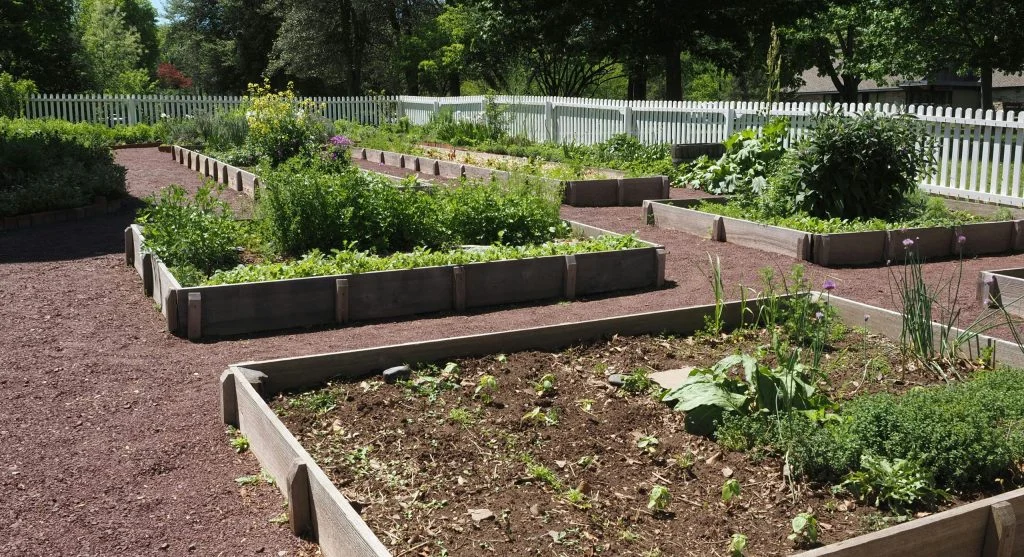

Useful growing hacks can help backyard gardeners keep mixed-height beds productive without letting tall crops overwhelm the shorter ones around them. Many home gardens naturally become layered over time. Tomatoes climb, beans rise, corn stretches upward, and taller herbs or flowers begin standing over crops that stay lower and closer to the soil. This can create a rich productive look, but it can also change light, airflow, and access much faster than expected.
Garden educators, crop planners, and experienced home growers often explain that layered planting works best when height differences are guided instead of left to sort themselves out. A bed with taller and shorter crops together can be very productive, but only if the lower crops still receive the light, water, and working room they need. These growing hacks focus on how to manage mixed-height garden beds, improve layered backyard planting, and keep the full bed working smoothly instead of letting the tallest plants control the whole space.
Why Growing Hacks Matter in Mixed-Height Beds
Mixed-height beds often begin with good intentions. Tall crops use vertical space, shorter crops fill the lower layer, and the bed feels more productive than a single-height layout. But as the season moves forward, the tallest crops may begin casting more shade, taking more air space, and making the bed harder to inspect. What started as a smart use of space may quietly become harder to manage.
Researchers who study small-space growing often note that layered plantings can improve output when the crop mix stays balanced. This is why growing hacks matter so much in mixed-height beds. The goal is not simply fitting more plants into one area. The goal is making sure every layer still works well enough to stay worth growing.
To keep layered backyard planting productive, gardeners often need to protect the lower level of the bed as carefully as they support the upper one. Balance usually matters more than height alone.
Place the Tallest Crops Where They Will Cause the Least Disruption
One of the strongest growing hacks is being intentional about where the tallest crops stand. A tall plant in the wrong place can change the whole bed. It may block morning light from one row, cast heavy shade on a tender crop, or make watering and harvest more awkward than before. Good height placement often solves these problems before they start.
Garden planners often recommend thinking about both sun direction and bed access before placing taller crops. The best location is usually the one where height adds structure without taking too much away from neighboring plants. Once the tallest crop begins growing strongly, its influence on the rest of the bed often becomes much larger than it first appeared.
Mixed-height garden beds usually work better when tall crops are placed with future growth in mind, not only where they fit neatly on planting day.
Choose Lower Crops That Can Handle Partial Shelter
Another of the most useful growing hacks is choosing lower crops that fit the reality of sharing space with taller ones. Not every shorter crop thrives when a bigger neighbor begins casting more shade or using more upper air space. Some lower crops manage that condition better than others and remain useful even as the top layer grows larger.
Crop educators often explain that lower crops should be chosen based on how much light, openness, and timing they will realistically receive once the tall plants mature. A crop that can tolerate a little shelter usually performs better in a layered bed than one that needs full exposure all season long. This helps the whole planting stay more balanced as it fills in.
Taller and shorter crops together often work best when the lower crop is selected for the future bed, not only the early one.
Watch the Light Pattern Again After the Tall Crops Start Filling Out
One of the smarter growing hacks is rechecking the light once the tallest plants begin taking shape. A mixed-height bed may look balanced early in the season, but that same layout can change quickly once tall crops widen, branch, or lean. A lower crop that received enough light two weeks ago may now be entering a very different pattern.
Garden educators often recommend observing the bed at more than one time of day after height begins increasing. This helps reveal whether the shorter crops are still receiving useful light or have started spending too much of the day under deeper shade. Small seasonal shifts in height often matter more than gardeners expect.
Layered backyard planting stays more productive when the grower checks how the balance is changing, not just how it looked at the start.
Use Support Early So Tall Crops Grow Upward Instead of Outward
One of the more practical growing hacks is supporting taller crops early enough that they grow upward rather than spilling too far into the lower layer. A tall crop that leans outward often steals more usable space than one that stays directed and upright. This affects both light and access for the shorter crops below.
Plant support specialists often note that early guidance with stakes, ties, or simple vertical systems helps the tall crop hold its own space more cleanly. This protects airflow, makes harvest easier, and keeps the lower plants from being crowded too quickly. A tall crop is usually more helpful in a mixed bed when its growth is shaped before it sprawls.
Mixed-height garden beds often become easier to manage when height is supported with structure, not just left to its own direction.
Check Whether the Lower Layer Is Falling Behind in Growth or Harvest
One of the best growing hacks is comparing the lower crops in mixed-height beds to similar crops in more open spaces. If the lower layer starts growing more slowly, producing less, or becoming harder to harvest, the bed may already be losing its balance. These signs often appear before the bed looks obviously overcrowded.
Harvest and plant health educators often explain that the lower layer may show the first real warning that the tall layer is becoming too dominant. A crop that becomes hidden, slower, or awkward to gather may still be alive and green, but it may no longer be worth the space in the same way. This is useful information for timely adjustment.
To keep taller and shorter crops together productively, gardeners often need to judge whether each layer is still earning its place in the bed.
Use Small Corrections Before Height Balance Is Lost
One of the more overlooked growing hacks is making modest adjustments as soon as the bed begins to feel uneven. A tied stem, a redirected branch, a timely harvest, or the removal of clearly spent lower growth may be enough to restore light and access. Waiting too long often turns a simple correction into a larger disruption.
Garden planners often explain that layered beds usually drift off balance gradually, not suddenly. Because of that, they often respond very well to smaller repeated corrections. The key is making those changes while the lower layer still has enough strength and visibility to benefit from them.
Layered backyard planting often stays successful when the grower protects the relationship between the layers, not only the strongest single crop in the bed.
Keep Notes on Which Height Combinations Truly Worked
One of the strongest growing hacks for future seasons is writing down which height combinations actually remained productive and which ones became more trouble than value. Some tall and short crop pairings may work very smoothly, while others may always lead to too much shade, awkward watering, or missed harvests. These patterns become much more useful once they are recorded.
Garden educators often suggest noting the crop mix, bed position, support style, light pattern, and whether the lower layer remained productive through the season. Even simple notes help the next planting become much more accurate. Over time, the gardener builds a better understanding of what true mixed-height balance looks like in that yard.
Mixed-height garden beds usually become stronger when height pairings are chosen from experience instead of hope alone. Notes help turn one good layered bed into a repeatable plan.
Frequently Asked Questions
Q: What are the best growing hacks for mixed-height garden beds?
A: Some of the best growing hacks include placing the tallest crops carefully, choosing lower crops that can handle partial shelter, rechecking light after tall plants grow, supporting the upper layer early, comparing lower-layer growth and harvest, and making small adjustments before the bed becomes unbalanced.
Q: Why can taller and shorter crops together become difficult to manage?
A: Taller and shorter crops together can become difficult when the tall plants begin taking too much light, air space, and access from the lower layer. This may make the bed look full but work less smoothly over time.
Q: How can gardeners keep layered backyard planting productive?
A: Gardeners can keep layered backyard planting productive by placing height wisely, supporting tall crops upward, choosing compatible lower crops, checking light and access often, and making small corrections before the lower layer starts falling behind.
Q: What shows that a mixed-height bed is losing balance?
A: Signs include lower crops growing slower, becoming harder to harvest, receiving too much shade, or staying hidden inside the bed while the taller crops continue dominating more of the space.
Key Takeaway
These growing hacks show that mixed-height beds stay most productive when gardeners guide the balance between layers instead of letting the tallest crops take over by default. Better placement, careful crop pairing, early support, repeated light checks, and small functional corrections all help taller and shorter crops work together more successfully. Notes make future layered beds even easier to plan. For many gardeners, the best growing hacks are the ones that keep every level of the bed useful, not just the highest one.