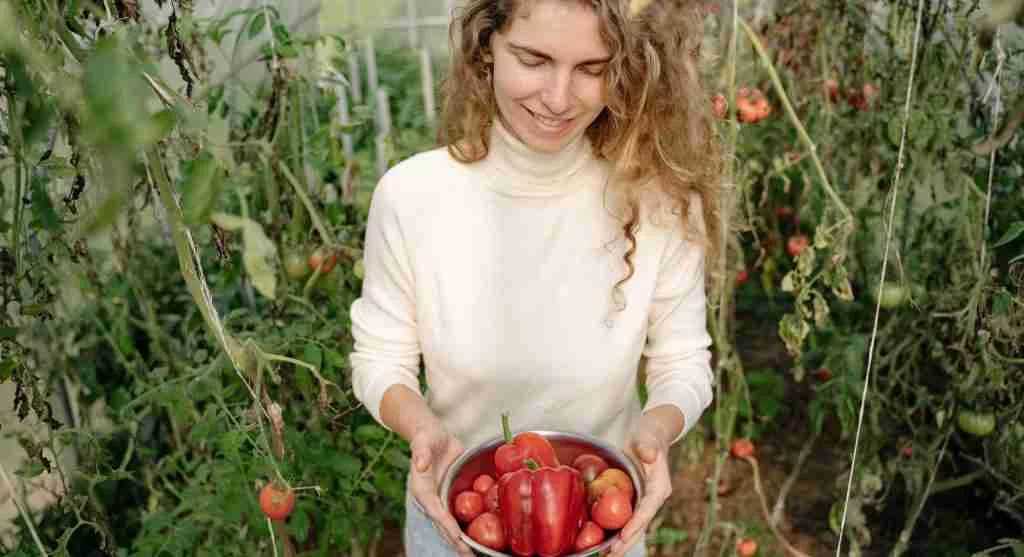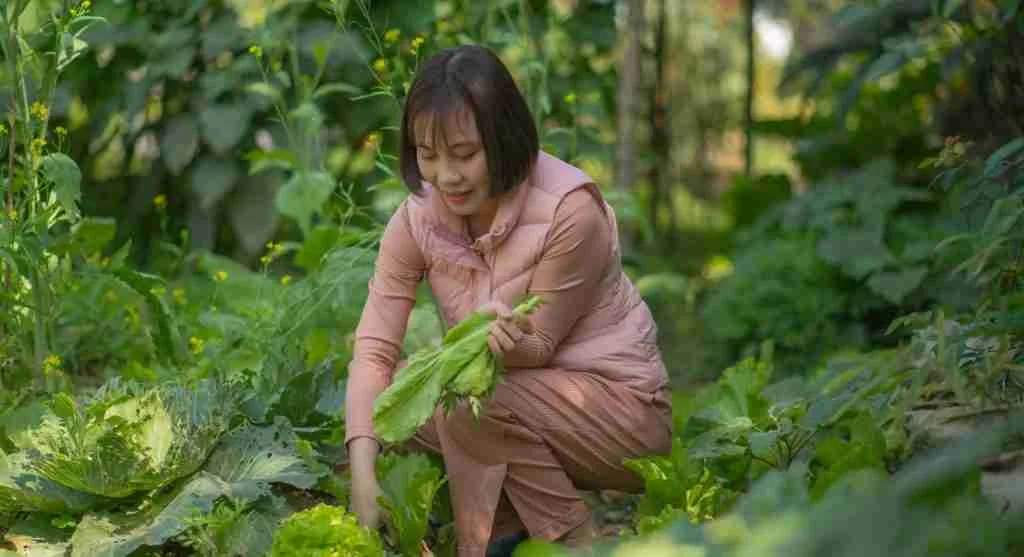
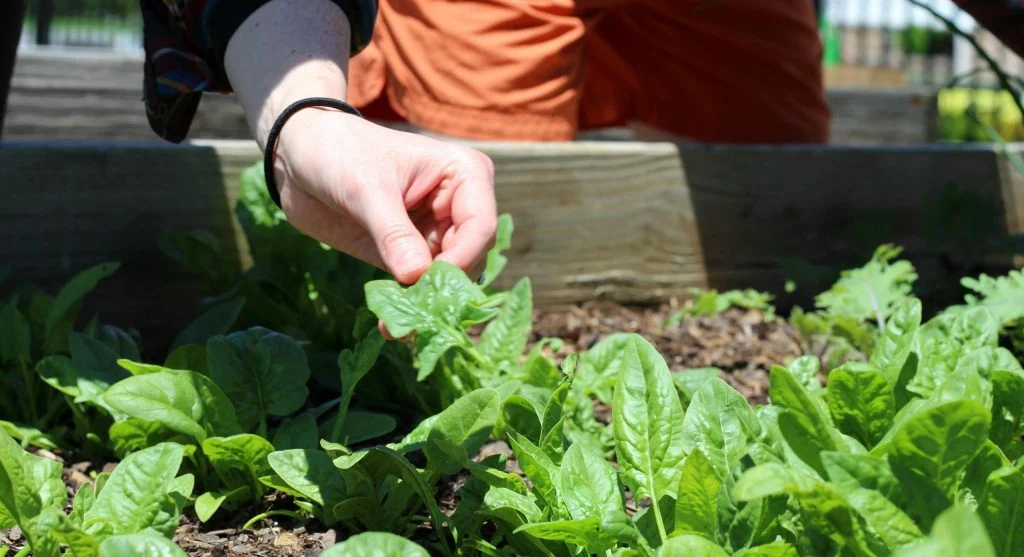

Useful harvest tips can help backyard gardeners pick leafy crops more cleanly without slowing down the next round of growth. Leafy vegetables often look simple to harvest because they are soft, easy to reach, and quick to fill a basket. But repeated picking can either support a long productive season or gradually weaken the bed if too much is removed the wrong way or at the wrong stage.
Harvest educators, crop specialists, and experienced home growers often explain that leafy crops reward careful repeated harvesting more than one heavy cutting. A grower who understands how to remove what is ready while protecting what should keep growing often gets better flavor, cleaner leaves, and more useful follow-up harvests. These harvest tips focus on how to harvest leafy vegetables more carefully, protect crop regrowth, and keep repeated garden picking smoother across active growing weeks.
Why Harvest Tips Matter More for Leafy Crops
Leafy crops are often harvested more than once, which makes each cutting matter. A fruiting plant may lose one tomato or pepper without changing its whole structure. A leafy crop, however, is often the harvest itself. If the wrong leaves are taken, too much is removed at once, or the growing center is disturbed too often, the plant may recover more slowly than expected.
Researchers who study crop quality often note that harvest timing and harvest style affect not only what comes off the bed today, but also the speed and strength of the next flush of growth. This is why harvest tips matter so much for greens and other leafy vegetables. The grower is not only collecting leaves. The grower is shaping the next harvest at the same time.
To protect crop regrowth, gardeners often need to think of leafy harvest as a repeated conversation with the plant rather than a one-time removal. That mindset usually leads to better long-term results.
Harvest the Outer Leaves First Whenever Possible
One of the strongest harvest tips for leafy crops is starting with the outer leaves instead of cutting through the whole plant all at once. In many greens, the outer leaves are older, larger, and more ready for use, while the center still holds the newest growth that will shape the next round of harvest.
Garden educators often recommend checking which leaves are fully sized and easy to remove without disturbing the heart of the plant. This approach often keeps the plant active for longer because the younger central growth stays in place and continues producing. It also makes the bed easier to manage because the harvest remains steady instead of arriving all at once.
Repeated garden picking usually works best when the plant is allowed to keep building from the center. Outer-first harvesting often supports that natural pattern very well.
Do Not Let Leaves Stay Too Long Past Their Best Stage
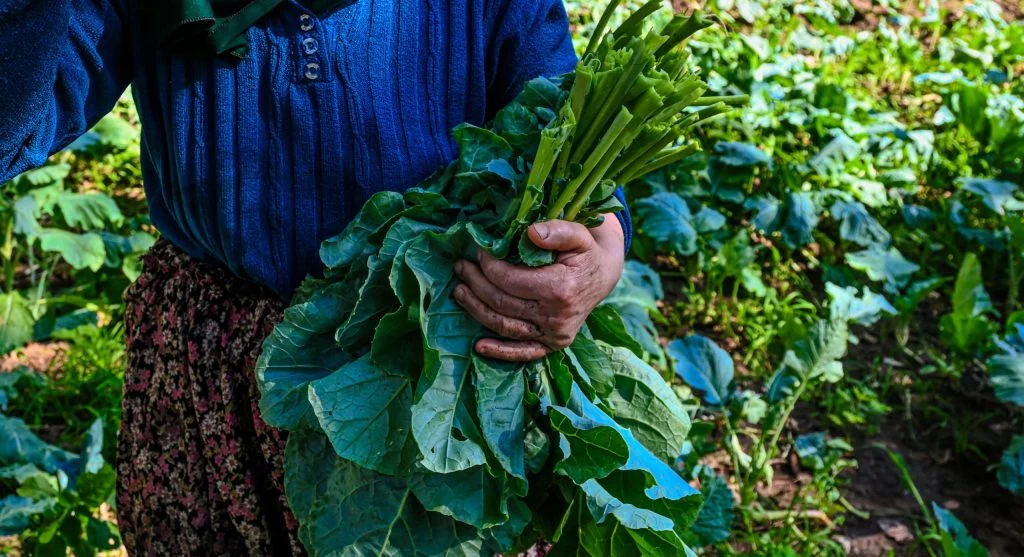
Another of the most useful harvest tips is picking leaves when they are at a strong usable stage instead of leaving them until they become oversized, damaged, or less tender. Large aging leaves can shade the inner growth, collect more wear, and reduce the clean look and balance of the whole plant.
Harvest specialists often explain that timely picking improves both quality and future growth. Once outer leaves have reached a good kitchen stage, removing them often gives the rest of the plant better light and air. This helps the younger leaves expand without being crowded by older material that has already passed its best point.
To harvest leafy vegetables well, gardeners often need to think in terms of ideal use stage instead of maximum size. A leaf that is ready now often helps the plant more by leaving than by staying.
Use Clean Gentle Cuts Instead of Tearing When Needed
One of the smarter harvest tips is knowing when a gentle cut is better than pulling by hand. Some leafy crops release cleanly when picked, while others may tear or twist in ways that disturb nearby growth if they are handled too roughly. A clean cut often helps the plant stay neater and easier to inspect afterward.
Plant care educators often explain that rough removal may damage stems, bend neighboring leaves, or leave the plant looking more stressed than it needs to. A small clean tool can make repeated harvest much more controlled, especially in dense beds or softer crops. This does not need to slow the routine down. It usually makes the harvest cleaner and the bed easier to manage later.
Protect crop regrowth by treating the harvest point with care. A tidy cut often supports a tidier next stage of growth too.
Take a Little From More Plants Instead of Too Much From One
One of the more practical harvest tips for leafy crops is spreading the harvest across several plants instead of heavily stripping one area first. This often keeps the bed looking more even and gives each plant a fairer chance to recover without one section becoming weak or exposed too quickly.
Garden educators often note that balanced picking across a row or bed usually supports more uniform regrowth. It also helps the grower keep better track of which plants were harvested most recently and which are ready next. This often leads to a steadier rhythm instead of heavy cutting followed by longer waiting.
Repeated garden picking usually becomes smoother when the harvest is distributed more evenly. That often protects both appearance and production at the same time.
Keep the Growing Center Clear and Visible
One of the best harvest tips is protecting the plant’s growing center during repeated harvests. In many leafy vegetables, this center is where the next round of leaves begins. If it becomes crowded with old material, damaged during picking, or buried under poor-quality leaves left too long, the whole plant may slow down.
Plant health specialists often explain that a clear center helps the grower read the condition of the plant more easily. It also supports cleaner airflow and better access for later harvests. This makes the bed more efficient because the gardener can quickly see where the crop is strong and where it may need lighter handling.
To protect crop regrowth, it helps to keep the center active, visible, and undisturbed whenever possible. The next harvest usually starts there.
Harvest in Cooler Hours When Leaves Still Hold Their Best Quality
One of the more overlooked harvest tips is choosing a cooler part of the day for leafy crops whenever possible. Greens and soft leaves often hold better texture and cleaner appearance when gathered before heat makes them looser, softer, or more vulnerable to rough handling. This is especially useful during warm seasons.
Harvest educators often explain that cooler-hour picking also makes the bed easier to inspect. Leaves are usually fresher, more upright, and simpler to sort by size and condition. This improves both kitchen quality and garden decision-making. The grower can often see more clearly which leaves are ready and which should stay.
To harvest leafy vegetables well, timing matters as much as method. Cooler harvest hours often protect the condition of both the crop and the plant.
Keep Notes on Which Leafy Crops Recover Fastest After Picking
One of the strongest harvest tips for long-term improvement is writing down which leafy crops regrow quickly, which need more gentle intervals, and which respond best to outer-leaf harvests versus light cutting. Different greens often recover at different speeds, even when they share the same bed.
Garden educators often suggest noting how much was taken, how long the crop took to refill, and whether the plant stayed balanced afterward. These simple records help future harvests become more accurate and reduce the chance of overcutting the same type of crop again. Over time, the grower builds a better rhythm for each leafy planting in the yard.
Repeated garden picking often becomes more productive when the grower knows each crop’s recovery speed. Notes help turn that experience into a better harvest habit instead of a repeated guess.
Frequently Asked Questions
Q: What are the best harvest tips for leafy crops?
A: Some of the best harvest tips include taking outer leaves first, picking before leaves grow too old, using clean gentle cuts when needed, spreading the harvest across several plants, protecting the growing center, and harvesting during cooler hours for better quality.
Q: Why is it important to protect crop regrowth when picking leafy vegetables?
A: It is important because leafy crops are often harvested repeatedly. If too much is removed or the center is disturbed, the plant may take longer to recover and produce less useful growth later.
Q: How can gardeners harvest leafy vegetables without slowing down future growth?
A: Gardeners can protect future growth by taking mature outer leaves first, avoiding rough handling, not stripping one plant too heavily, and leaving the growing center strong and open for the next round of leaves.
Q: What makes repeated garden picking easier through the season?
A: A steady routine, cooler-hour harvesting, balanced picking across the bed, and keeping notes on recovery speed all help repeated garden picking stay easier and more productive over time.
Key Takeaway
These harvest tips show that leafy crops stay more productive when gardeners harvest with regrowth in mind. Taking outer leaves first, avoiding rough handling, spreading harvest across several plants, and protecting the growing center all help the bed stay active and balanced. Cooler picking times and simple notes make that routine even stronger. For many gardeners, the best harvest tips are the ones that collect a good basket today without weakening tomorrow’s harvest.