
Watch Whether Light Reaches the Two Sides Differently
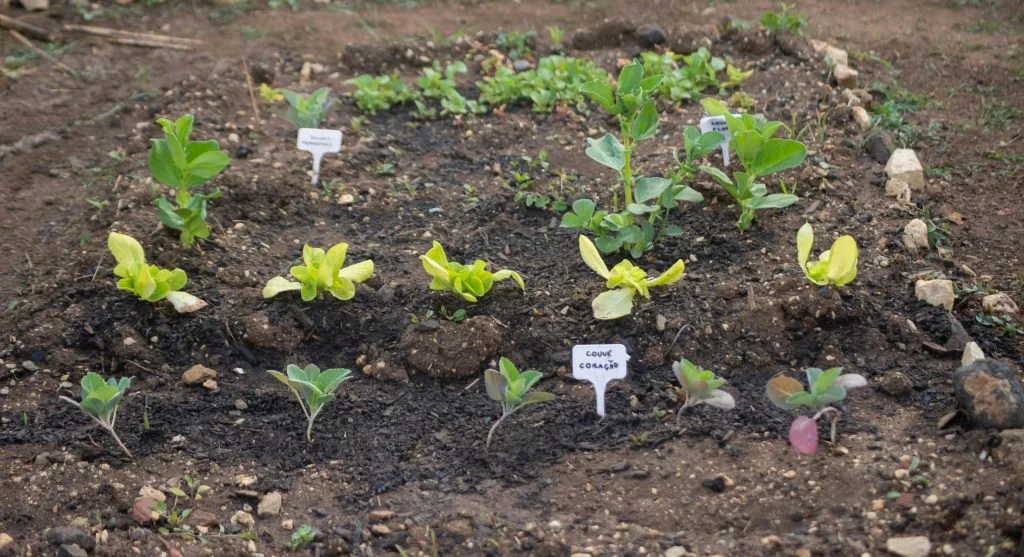
Another one of the most useful garden tips is checking whether the bed receives the same light across its full width. A fence, tree, wall, nearby crop, or even the bed’s own stronger side may be changing how much light reaches the slower side. The difference may not have been obvious earlier, but it can matter much more once plants begin filling in.
Garden planners often explain that light changes over time, especially when neighboring crops grow taller or nearby trees leaf out more fully. One side of the bed may now be spending more hours in shade than it did at planting time. That shift can easily make one side start growing faster without any dramatic warning.
One side growing faster is often connected to light before anything else looks clearly wrong. That makes light one of the first comparisons worth making.
Notice Whether Water Reaches One Side More Easily Than the Other
One of the smarter garden tips is asking whether the watering routine is truly treating both sides of the bed the same way. Sometimes the stronger side is simply the side that receives water more directly or more consistently. The slower side may be slightly blocked by leaf cover, soil shape, or the angle of watering itself.
Water educators often note that a bed can look evenly watered while still receiving moisture unevenly below the surface. If one side stays more open and the other is harder to reach, the grower may unknowingly support the stronger half more often. Over time, that difference in watering can turn into a visible growth pattern.
Balanced backyard bed care often depends on checking whether the routine is as even as it feels. Watering habits can create differences that look like plant problems later.
Check Whether the Slower Side Also Shows More Pressure From Paths or Edges
One of the more practical garden tips is looking at what surrounds the weaker side of the bed. If that side borders the main path, gets more foot pressure nearby, loses mulch faster, or faces stronger wind exposure, it may be dealing with a little more stress than the stronger side. Even small repeated pressure can shape growth over time.
Garden educators often explain that edge conditions matter because the outside of a bed often behaves differently from the middle. One side may dry faster, compress more easily, or deal with more repeated traffic while the opposite side stays calmer. That can make the two sides of one bed act almost like separate growing spaces.
Uneven garden bed growth often makes more sense once edge conditions are included in the reading. The bed is influenced by what happens around it as much as by what happens inside it.
Read the Soil and Mulch on Each Side Separately
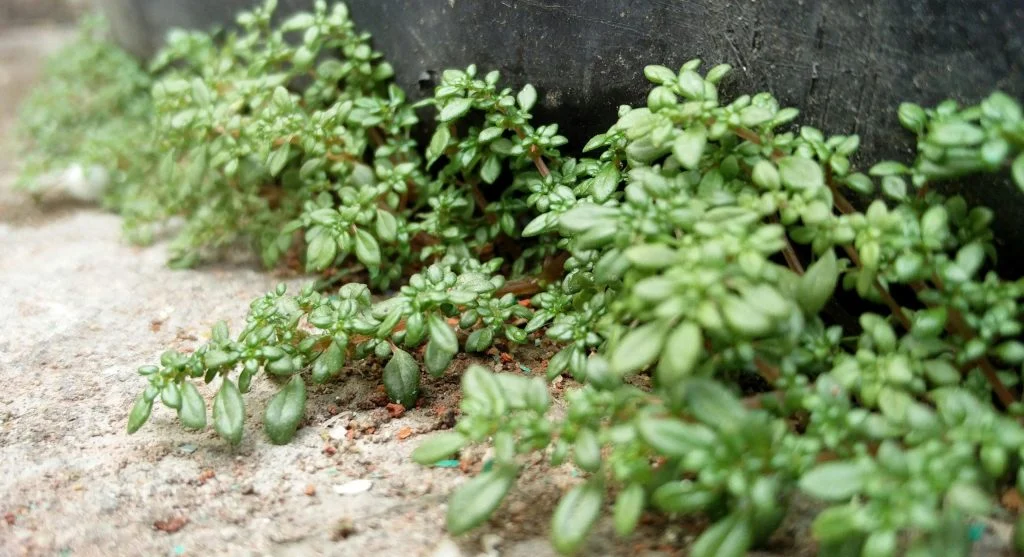
One of the best garden tips is checking whether the two sides of the bed still feel the same at the surface. One side may hold mulch more evenly, stay cooler, or absorb water better, while the other side may dry faster or feel tighter. These small top-layer differences often help explain why the crop above is no longer growing evenly.
Soil and water educators often suggest checking mulch thickness, surface moisture, and soil feel in more than one place across the bed. If the stronger side feels cooler or more balanced while the weaker side feels drier or tighter, the bed may need a more local response instead of one full-bed change.
To keep balanced backyard bed care accurate, gardeners often need to stop assuming that one soil check in the middle explains the whole bed. Side-to-side reading often tells a better story.
Make Small Local Corrections Before the Stronger Side Dominates
One of the more overlooked garden tips is making modest corrections while the difference is still manageable. A mulch refresh, a watering adjustment, a small support change, a little guidance of taller plants, or extra attention to the weaker side may be enough to keep the bed from becoming more uneven. Waiting too long often makes the stronger side harder to balance against.
Garden planners often explain that side imbalance usually grows gradually, which is why smaller early corrections often work so well. The goal is not to make both halves look identical. It is to keep the difference from turning into a practical problem for harvest, inspection, and crop performance.
One side growing faster does not always mean the bed is failing. It often means the bed needs lighter, more local support sooner rather than bigger corrections later.
Keep Notes on Which Side of Each Bed Usually Pulls Ahead First
One of the strongest garden tips for long-term improvement is writing down which side of each bed usually grows faster and under what conditions it happens. Some beds may always lean toward one side because of sun angle, path exposure, or tree shade. Others may shift as the season changes. These patterns are much easier to use once they are recorded clearly.
Garden educators often suggest noting the crop, the bed side, the time of season, and what seemed to drive the difference most. These simple notes help next season’s planting and care routine begin with stronger awareness instead of fresh guesswork. Over time, the gardener learns how each bed tends to behave before the imbalance becomes visible again.
Uneven garden bed growth becomes easier to manage once the grower knows which side usually moves first and why. Notes help turn that pattern into better planning instead of repeated surprise.
Frequently Asked Questions
Q: What are the best garden tips when one side of a bed grows faster?
A: Some of the best garden tips include comparing similar plants side by side, checking light and watering patterns, looking at path and edge pressure, reading soil and mulch separately on each side, and making small local corrections before the stronger side begins affecting the whole bed.
Q: Why does one side of a garden bed sometimes outgrow the other?
A: One side may grow faster because of better light, more even moisture, stronger mulch coverage, less nearby pressure, or more favorable edge conditions. Small differences often become visible in plant growth over time.
Q: How can gardeners keep balanced backyard bed care when growth becomes uneven?
A: Gardeners can keep care balanced by checking each side separately, adjusting only the weaker side when needed, and avoiding the habit of treating the whole bed as if both halves still behave exactly the same way.
Q: What helps reveal uneven garden bed growth early?
A: Early signs often include one side looking fuller, taller, or darker, along with differences in moisture, mulch condition, light exposure, and how quickly each side fills in compared with the other.
Key Takeaway
These garden tips show that one side of a bed can often start pulling ahead long before the entire planting looks clearly uneven. By comparing both sides more closely, checking light, water, mulch, and edge pressure, and making small local corrections early, gardeners can keep balanced backyard bed care more consistent across the whole space. Notes make those patterns even easier to recognize next season. For many growers, the best garden tips are the ones that help them catch the split early, before one side of the bed begins shaping how the entire bed performs.