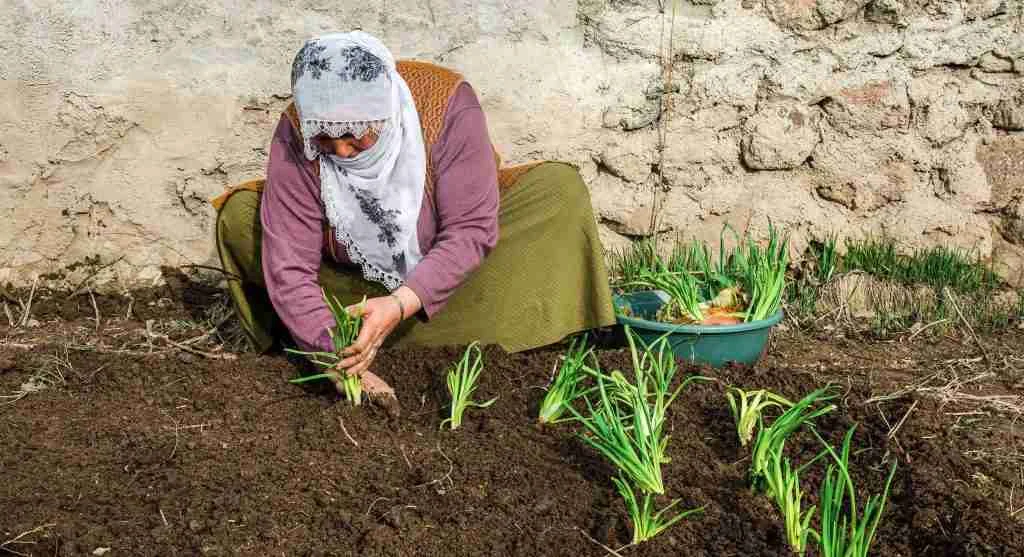

Useful growing hacks can help backyard gardeners handle one of the most tempting moments in the season: the stage when beds look half empty and full of possibility. Tomatoes are still small. Peppers have not widened yet. Squash leaves are nowhere near their later size. A bed may look unfinished, and the open soil between young plants can feel like wasted opportunity.
That feeling is understandable, but it often leads to one of the most common midseason mistakes. Gardeners plant into temporary emptiness as though it will stay that way. Weeks later, the bed becomes a tangle of competing growth, awkward watering, and hard-to-reach harvests. These growing hacks focus on how to use early-season garden space intelligently, how to think of temporary room as temporary, and how to keep later crop growth from paying the price for an early decision that felt efficient at the time.
Early Empty Space Is Often Borrowed Space
One of the most useful ways to think about young beds is this: open soil is not always available soil. In many cases, it already belongs to the crop that is just getting started. The roots have not filled it yet, and the leaves have not reached it yet, but the space may already be part of the plant’s future footprint.
That is why smart growing hacks often begin with patience. A gardener should not ask only, “What fits here today?” A better question is, “Who will need this space most in five weeks?” That shift in thinking usually prevents the kind of crowding that later feels mysterious even though it began with a very understandable early choice.
Fast Temporary Crops Work Better Than Long-Staying Fillers
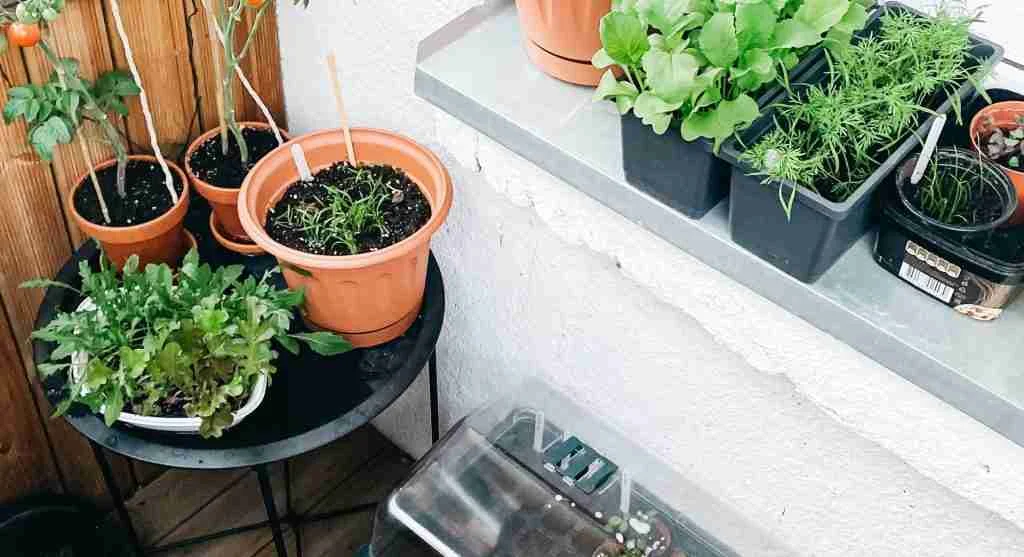
If early-season empty space is going to be used at all, the best candidates are usually quick crops that can come in and leave before the main planting expands. This keeps the bed productive without creating a long-term traffic problem. Small radishes, baby greens, short herbs, and other quick-turn plants often work better than anything that expects to stay and compete.
The real advantage of these crops is timing, not just size. They use the space while it is genuinely available and leave before the main crop needs full control. That makes them a temporary planting idea rather than a permanent extra burden.
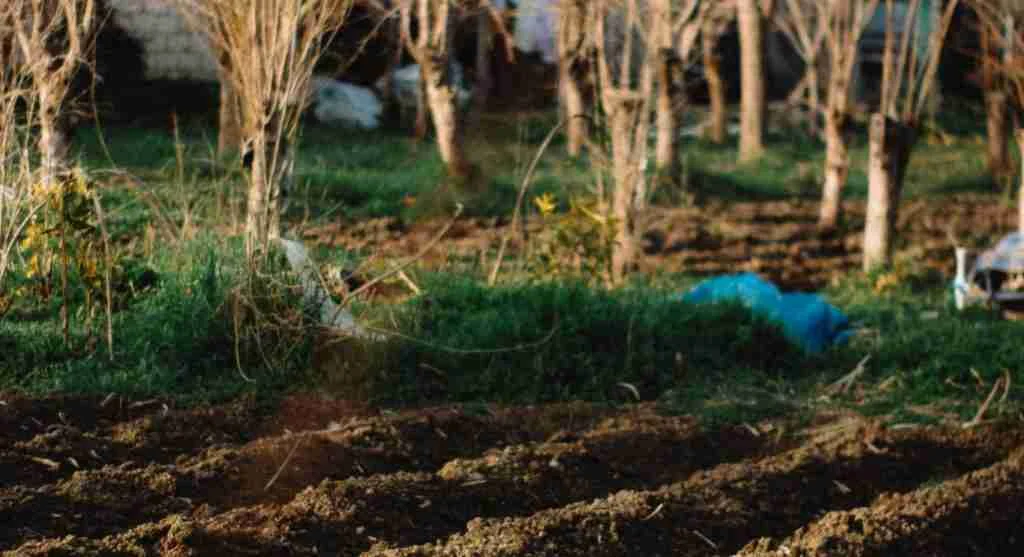
Large Main Crops Need Their Future Shape Respected Early
Big summer crops are especially easy to underestimate while they are still young. A pepper may look compact in spring. A tomato may seem far from its final width. A zucchini may look too small to matter. But those crops often create the strongest late-season pressure once the weather settles and growth speeds up.
This is why one of the smartest growing hacks is studying the mature shape of the main crop before using the open space around it. Gardeners who remember the plant’s final size usually make calmer decisions in the early weeks. Gardeners who judge only by what they see today often end up solving a preventable midsummer problem later.
Watering Access Should Be Protected From the Beginning
Even when extra early-season planting looks neat, it may still create trouble if it blocks access to the main crop’s watering zone. A bed can seem productive while slowly becoming harder to care for correctly. The gardener may no longer be able to reach the base of the main crop easily. Water may start landing on whatever is nearest instead of where it is most needed.
That is why good growing hacks are not only about fitting more plants into the bed. They are also about protecting the future routine. If the extra planting makes later watering clumsy, it was never truly helping the bed.
Use Visual Order So Temporary Plantings Stay Easy to Remove
Temporary crops are easiest to manage when they are planted clearly. A short strip, a simple patch, or one clean band is easier to harvest out and clear away than scattered small plants spread all around the bed. Disorder makes it harder to know what should leave and what should stay once the main crop begins expanding.
Clear layout is one of the most underrated growing hacks for small gardens. It does not just make the bed look better. It keeps decisions simple when the temporary phase ends.
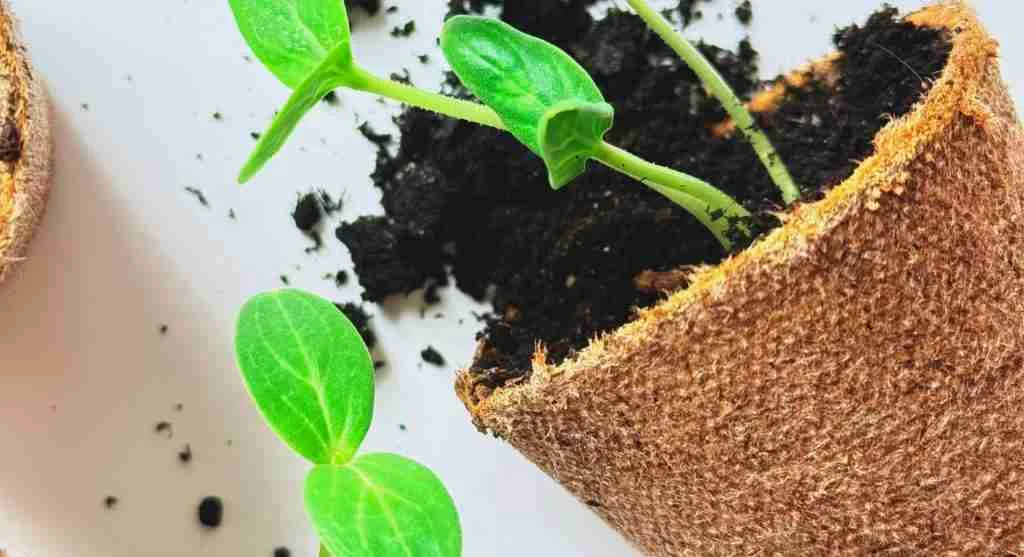
The Best Temporary Plantings Leave Before They Feel Necessary
One of the clearest signs of a good early filler crop is that it is harvested and gone before the main bed begins feeling tight. That often means removing it a little earlier than feels emotionally satisfying. Waiting until the extra crop becomes too established is usually what turns a helpful idea into a crowding problem.
Temporary planting ideas work best when the gardener is willing to end them on time. Their job is not to become permanent. Their job is to make use of a short window and then get out of the way before they begin slowing the more important crop.
Not Every Empty Patch Needs to Be Used
Sometimes the strongest decision is to leave the space alone. Open soil is not automatically wasted space. In some beds, it is future airflow, future access, future root room, or future watering clarity. Gardeners often feel pressure to make every section productive immediately, but long-term ease is also a form of productivity.
Many midseason headaches begin because early quiet space felt uncomfortable. The bed looked too empty, so something had to be added. But not every gap is an invitation. Some are simply the early shape of a good layout.
Keep Notes on Which Early-Season Spaces Stayed Worth Using
One of the most practical habits a gardener can build is tracking which early gaps truly supported the bed and which ones later caused trouble. Some pairings work very well. Others nearly always create crowding, awkward watering, or confusing harvests. Those patterns are easy to miss if they are not written down.
Good notes turn guesswork into strategy. Over time, the gardener learns which spaces are genuinely temporary opportunities and which ones only look available during the first calm weeks of the season.
Frequently Asked Questions
Q: What are the best growing hacks for early-season empty space?
A: The best growing hacks include treating early gaps as temporary space, choosing fast crops that leave early, protecting access to the main crop, and keeping the layout simple enough to remove without confusion later.
Q: Why do young garden beds become crowded later even if they looked spacious at first?
A: Young beds often become crowded because the main crops were still small when extra planting decisions were made. As those larger crops mature, they reclaim the space that looked open earlier in the season.
Q: How can gardeners avoid midseason crowding?
A: Gardeners can avoid midseason crowding by respecting the future size of main crops, using only short-term fillers when appropriate, and removing temporary crops before they begin competing for space and access.
Q: Should every early-season gap be planted?
A: No. Some open spaces are better left alone because they support future root room, airflow, watering access, and later harvest ease for the main crop.
Key Takeaway
These growing hacks show that early-season empty space should be treated carefully, because much of it is only temporary. Quick filler crops can work well, but only when they leave before the main crop needs full control. Simple layout, protected watering access, and respect for future plant size usually make the difference between smart use of space and preventable midseason crowding. The best growing hacks are often the ones that think ahead before the bed becomes busy.