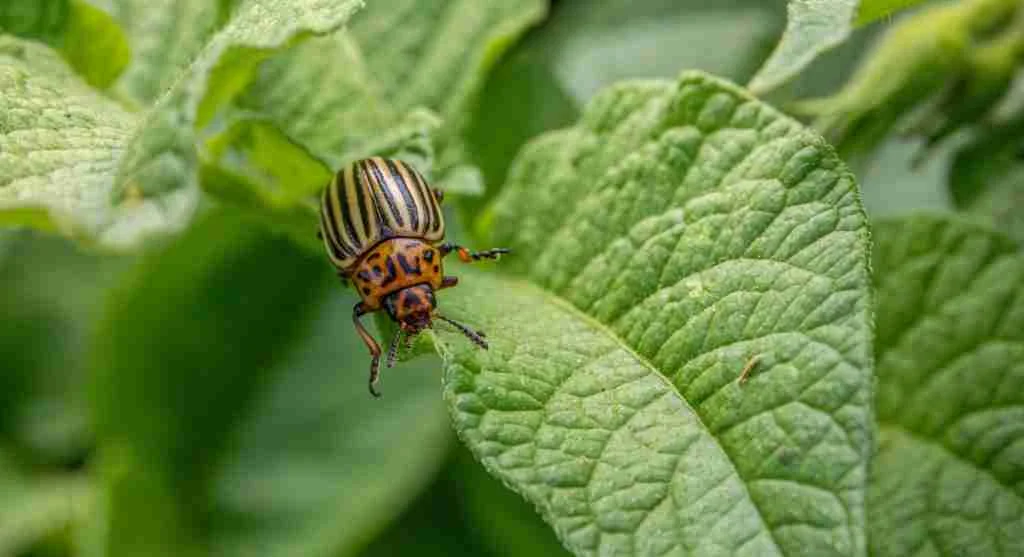
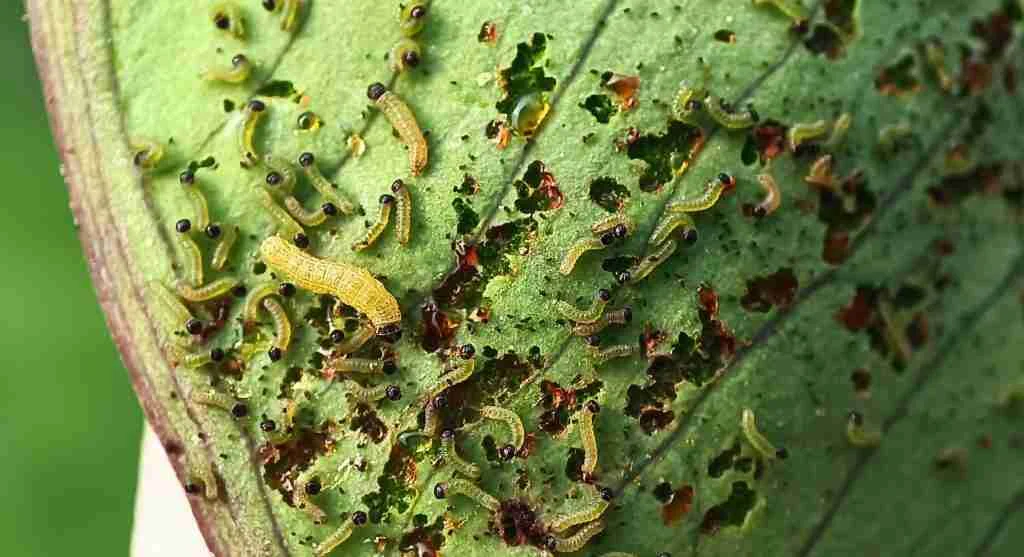

Useful pest control tips can help backyard gardeners respond to one of the easiest warning signs to dismiss: damage that never looks severe on any one day, but keeps showing up in small repeated ways. A leaf has a few tiny bites. A second plant shows the same thing two days later. One bed corner looks slightly rough, then another patch starts matching it. Nothing seems dramatic enough to demand urgent action, so the grower assumes the issue is minor and temporary.
That is often how a larger problem quietly begins. Many pest issues do not announce themselves with major destruction at first. They begin as repetition. The same kind of light damage keeps returning in the same crop, the same layer of growth, or the same bed section until the gardener finally realizes it was never random. These pest control tips focus on how to read repeated low-level damage, how to tell the difference between passing nibble marks and a building pattern, and how to protect the bed before scattered signs turn into steady pressure.
Small Damage Becomes Meaningful When It Keeps Returning
A single imperfect leaf does not always matter. Gardens are living spaces, and a small amount of blemish is normal. The real question is not whether tiny damage exists. The real question is whether it repeats. Once the same kind of mark keeps appearing in the same general way, the gardener is no longer looking at an isolated event. The bed is starting to say something more clearly.
This is why good pest control tips often rely on pattern reading instead of panic. The goal is not to overreact to one chewed edge or one rough patch. The goal is to notice when that little sign stops being occasional and starts becoming consistent.
Frequency Often Tells the Truth Before Severity Does
Many growers wait for damage to become large before treating it seriously. That usually delays the most useful stage of response. Early pest pressure often shows itself through frequency before intensity. The marks remain small, but they keep arriving. The bed remains mostly healthy, but the same crop keeps showing fresh evidence. That repetition often matters more than the size of any one wound.
One of the smartest pest control habits is asking, “How often am I seeing this now?” instead of only asking, “How bad does this single leaf look?” A problem building slowly usually answers the first question before it fully answers the second.
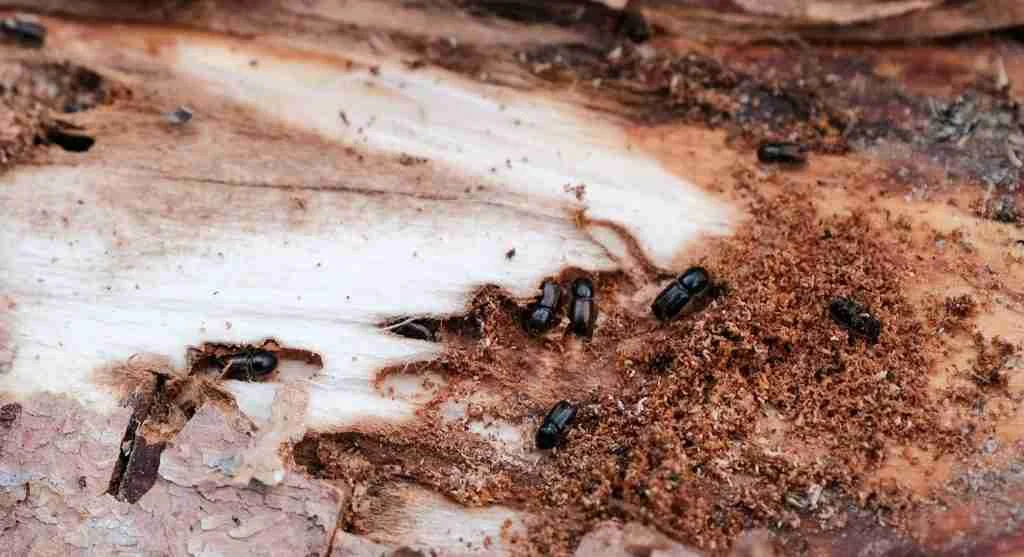
The Same Crop Repeatedly Showing Small Damage Is a Strong Clue
Another useful sign is selectivity. If the same crop keeps showing low-level feeding while neighboring crops remain mostly clean, that pattern deserves attention. The bed may still look successful overall, but one plant group is already becoming the place where pest pressure is settling in. That selectivity often helps the gardener narrow the search much earlier.
This matters because some problems spread outward from a preferred crop instead of appearing equally everywhere. A few repeated marks on the same type of plant can be more useful information than broader but less consistent cosmetic damage across the bed.
Watch Whether the Damage Appears in the Same Layer of Growth
Patterns are not only about crop choice. They are also about position. Repeated light chewing on top leaves tells a different story from repeated roughness on lower growth. The same is true for damage that keeps returning on new tender growth versus older outer leaves. Once the gardener notices that the marks prefer one layer, the bed becomes easier to read.
That layer-based pattern often reveals how the problem is moving and where the next close check should happen. It also keeps the gardener from doing broad unfocused inspections when a more specific reading would be more useful.
The Difference Between “Passed Through” and “Settled In” Is Often Location
Some pests truly do move through quickly and leave only minor evidence behind. Others settle into one section and keep returning. One of the clearest ways to tell the difference is to watch location. If the same row section, same corner, or same interior patch keeps showing fresh small marks, the issue is probably not passing through. It is finding a home.
This is one of the most practical pest control tips for busy gardeners. The bed does not need perfect surveillance. It needs memory. If the same small area keeps asking for another look, the pattern is already building.

Repeated Tiny Damage Often Means the Best Response Time Is Now
One of the advantages of catching a problem at this stage is that the bed still has strength. The crop is not yet overwhelmed. The issue is visible enough to track but usually still local enough to study carefully. This is often the moment when better observation, closer follow-up, and focused correction are most effective.
Waiting for obvious severity usually makes the work harder. By the time the signs are large enough to feel serious, the pattern has often been active for longer than the grower realized. Small repeated damage is often the last quiet stage before the problem becomes much more visible.
Regular Comparison Is Better Than Relying on Memory Alone
Gardeners often sense that a plant “looks worse than before” without being able to explain exactly how. That is where repeated comparison becomes valuable. Looking at the same crop every few days, checking the same leaves or same side of the bed, and noticing whether fresh marks continue appearing helps turn a vague feeling into a clear pattern.
This is why the best pest control tips often involve simple repeatable checks. A bed is easier to protect when the grower stops relying only on general impression and starts noticing change in a more specific way.
Keep Notes on Which Small Signs Tend to Become Big Problems
Not every tiny damage pattern grows into something serious, but some do again and again. One of the best long-term habits is writing down which kinds of small marks later became bigger trouble in that specific garden. Maybe repeated edge chewing on one crop usually grows worse. Maybe tiny lower-leaf damage in one bed section almost always means more pressure is coming.
Those notes help future decisions happen sooner and with more confidence. The gardener learns which repeated low-level signs are mostly harmless and which ones deserve earlier respect. Over time, that memory becomes one of the strongest pest control tools in the whole yard.
Frequently Asked Questions
Q: What are the best pest control tips for repeated small damage in a garden?
A: The best pest control tips include watching for repetition instead of reacting only to severity, comparing the same crop and same bed section over time, noticing whether the same layer of growth keeps showing marks, and responding while the issue is still light but clearly recurring.
Q: Why does tiny pest damage matter if the bed still looks healthy?
A: Tiny damage matters when it repeats. A healthy-looking bed can still be developing a clear pest pattern, and repeated low-level signs often appear before the problem becomes visually obvious across the crop.
Q: How can gardeners tell if a pest issue is passing through or building up?
A: Gardeners can usually tell by frequency and location. If the same type of damage keeps appearing on the same crop, in the same bed section, or in the same layer of growth, the issue is more likely building than passing through.
Q: Should gardeners wait for severe damage before taking repeated signs seriously?
A: No. Repeated low-level damage is often the best stage to notice and study because the crop still has strength and the pattern is usually easier to manage before it spreads more widely.
Key Takeaway
These pest control tips show that small damage becomes important when it stops being occasional and starts becoming a pattern. Backyard gardeners who watch frequency, location, and repetition instead of waiting for dramatic harm usually catch problems earlier and protect the bed more effectively. In many gardens, the smartest response begins not when the damage becomes large, but when it becomes consistent.