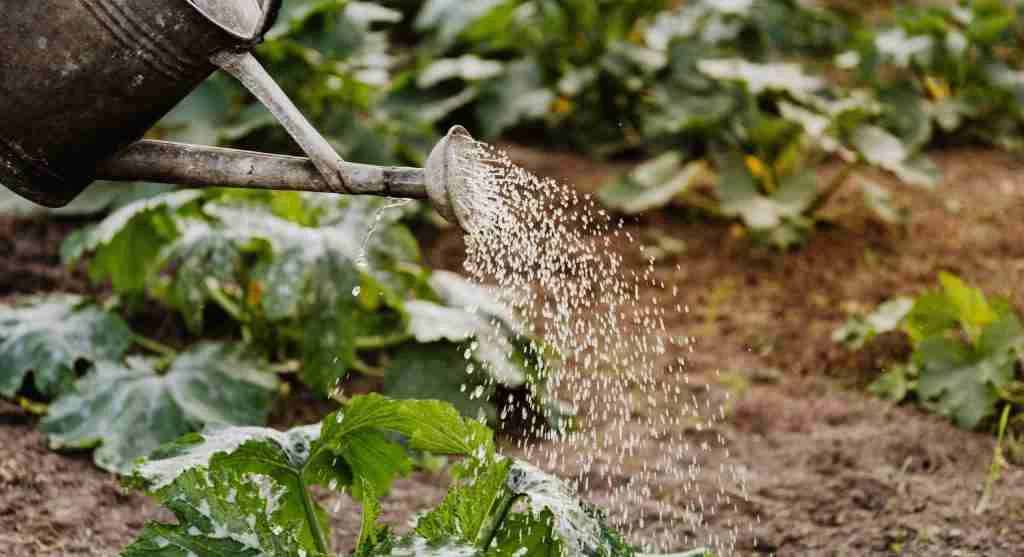
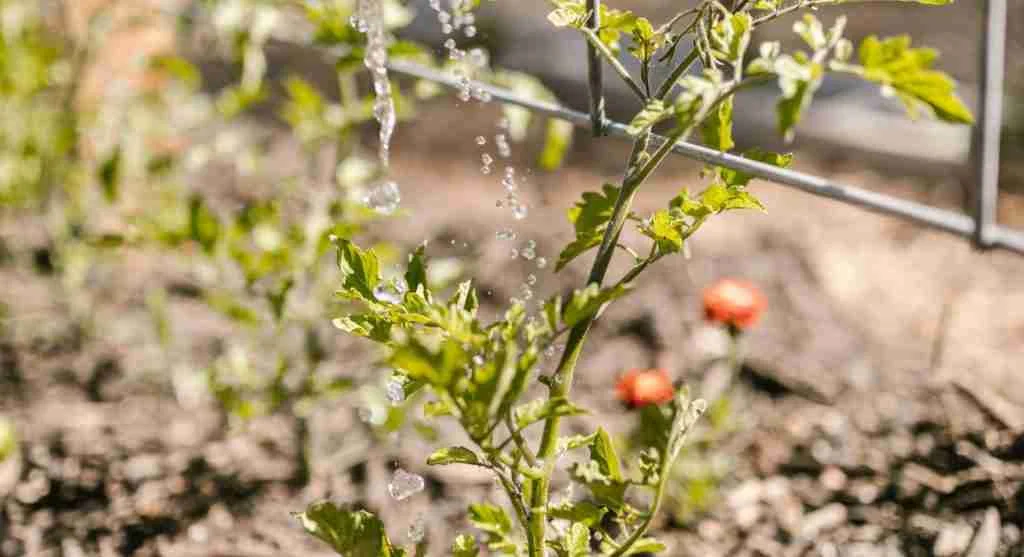

Useful water saving tips can help backyard gardeners realize that watering is not only about how much water goes into the bed. It is also about when that water arrives. Two identical watering sessions can produce different results depending on whether they happen in the early morning or later in the day. The same soil, the same plants, and the same amount of water may support the crop differently simply because the timing changed how quickly the moisture was used, lost, or held.
Many gardeners settle into one watering time because it fits life outside the garden. That is understandable, but timing shapes moisture behavior more than many growers notice. A bed watered before the day opens behaves differently from one watered after heat has already done its work. These water saving tips focus on how to compare morning and evening watering, how to see which timing is actually serving the bed better, and how to reduce water waste by noticing when the clock is affecting the crop as much as the hose is.
Timing Changes the Path Water Takes Through the Day
Watering does not end when the soil darkens. It begins there. From that point forward, the day’s temperature, wind, light, and plant activity decide how that moisture will be used. Morning watering sends water into a bed that is about to enter full daylight and active growth. Evening watering sends water into a bed that is about to cool, slow down, and move through the night before the next strong heat arrives.
This is why some of the best water saving tips compare results instead of repeating habits. The bed may respond well to one schedule and less efficiently to another, even when the gardener feels equally careful both times.
Morning Watering Often Shows Its Value by Afternoon
One of the clearest advantages of morning watering is that the crop begins the hottest and busiest part of the day with fresh moisture already available. If the bed handles that rhythm well, plants often stay steadier through the afternoon and the grower can read true moisture need more clearly later in the day.
That does not mean morning is automatically perfect for every situation. It means morning watering is often strongest when the goal is helping the crop enter the day prepared rather than asking the gardener to correct stress after it has already built.
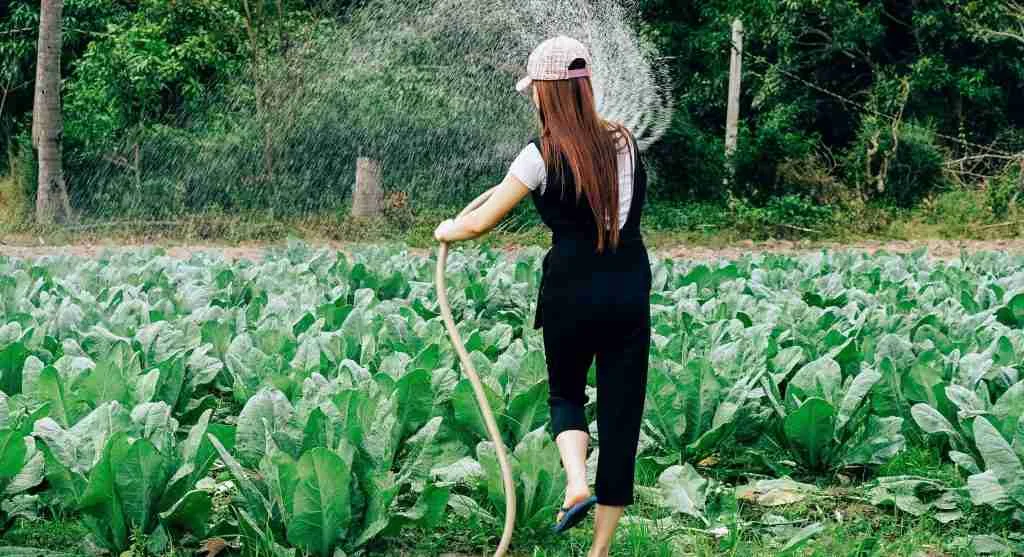
Evening Watering Can Feel Efficient but Needs Honest Reading
Evening watering often feels satisfying because the bed looks refreshed right away and the air is cooler. That can make the session seem naturally efficient. In some beds, it may work very well. But the important question is not how the bed looks right after watering. It is how the bed behaves by the next day and how evenly the moisture was actually used overnight.
Some gardens hold evening water beautifully. Others stay less balanced, especially if the surface, cover, or crop type creates conditions that do not distribute that moisture as well as the gardener expects. This is why evening watering deserves observation rather than assumption.
The Best Garden Watering Time Often Depends on the Bed, Not the Rule
Garden advice often speaks as though one universal watering time fits every bed. In practice, a raised bed of fruiting crops, a mulched herb patch, and a shallow greens section may each respond differently. Bed layout, exposure, surface cover, and crop type all shape how useful a watering time becomes.
This is one of the smartest water saving tips a gardener can remember. The question is not only “What is the best garden watering time?” The better question is “What is the best time for this bed under these conditions?” Once that shift happens, the routine becomes more accurate and much less wasteful.
Surface Appearance Can Mislead the Comparison
When gardeners compare morning and evening watering, surface appearance can easily create the wrong conclusion. Evening water may leave the bed looking dark and calm longer because the day’s heat is gone. Morning water may appear to disappear faster because the day is actively using it. But appearance alone does not prove which timing supported the roots better.
That is why reduce water waste decisions should be based on plant steadiness, root-zone feel, and overall crop response, not just on how long the bed appears wet from above. Moisture that looks gone may have been used well. Moisture that still looks present may not have been distributed as effectively as it seems.
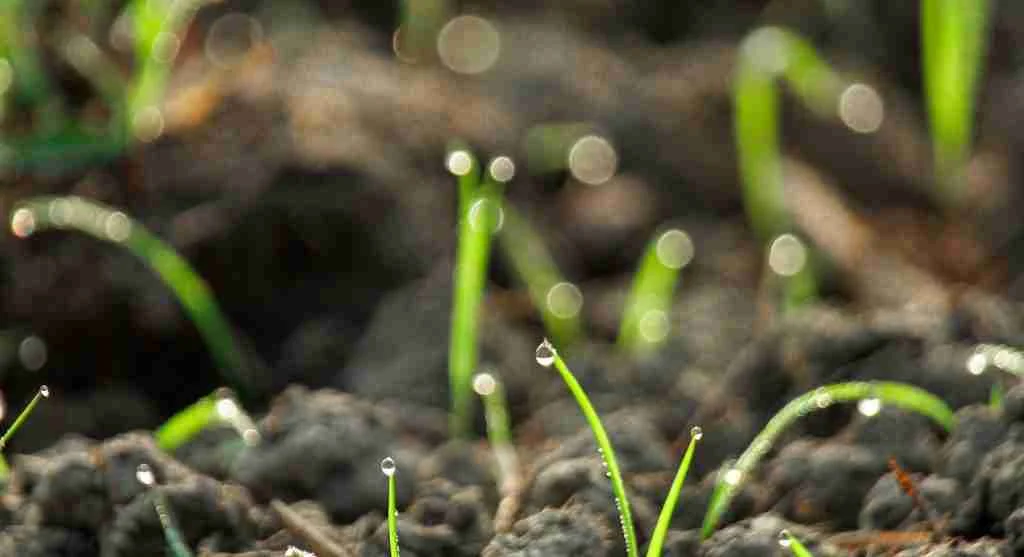
Watch How Fast the Crop Asks for Water Again
One of the most practical ways to compare watering times is to notice how quickly the bed begins asking again. Does one schedule leave the crop steadier for longer? Does one create more frequent correction watering? Does the bed seem easier to read the next day after one timing than the other? These are useful clues.
The best watering schedule is often the one that gives the grower more stability between sessions. A routine that seems efficient in the moment but creates faster return stress may not be the stronger choice after all.
Season and Weather Can Change the Better Choice
A watering time that works well in one part of the season may not work as well in another. Cool stretches, very hot weeks, windy periods, and changing crop canopy all influence which timing is more useful. This means gardeners should treat watering time as a flexible decision, not a permanent identity.
That flexibility is one of the most useful water saving tips because it keeps the routine responsive. The garden is changing all season long. The watering clock should be allowed to respond to that reality too.
Keep Notes on Which Timing Leaves the Bed Most Stable
One of the best long-term habits is recording which beds seem to perform best after morning watering and which ones remain comfortable with evening watering. These small notes make the comparison real. They show whether one timing reduces extra correction work, keeps leaves steadier, or helps the bed hold moisture more usefully between sessions.
Over time, that record becomes more valuable than generic advice. It turns watering from a fixed habit into a garden-specific skill, which is where the strongest water saving tips usually lead.
Frequently Asked Questions
Q: What are the best water saving tips for morning versus evening watering?
A: The best water saving tips include comparing crop response instead of relying on habit, checking root-zone moisture rather than surface appearance alone, and noting which timing leaves the bed most stable between watering sessions.
Q: Is morning or evening the best garden watering time?
A: It depends on the bed, crop type, weather, and soil conditions. Morning often helps crops enter the day prepared, while evening may work well in some beds, but the best choice comes from watching which timing supports steadier results.
Q: Why can two watering times produce different results with the same amount of water?
A: Timing changes how moisture moves through the day. Light, wind, temperature, and plant activity affect whether the water is used, held, or lost differently after morning watering compared with evening watering.
Q: How can gardeners reduce water waste when choosing a watering time?
A: Gardeners can reduce water waste by comparing real crop performance, checking how quickly the bed needs water again, and choosing the timing that gives the most stable support instead of simply using the most convenient hour.
Key Takeaway
These water saving tips show that the same amount of water can behave very differently depending on when it reaches the bed. Morning and evening schedules each create different moisture patterns, and the best choice is usually the one that leaves the crop most stable, not simply the one that feels most familiar. Backyard gardeners who compare timing honestly often waste less water and understand their beds much more clearly.