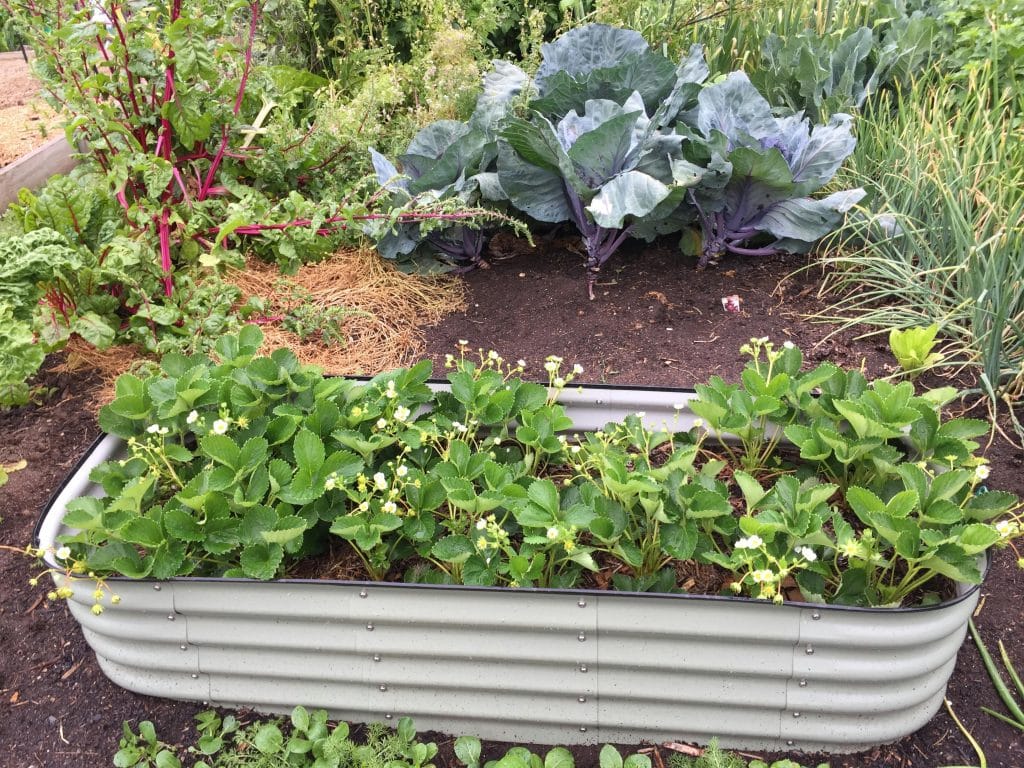

Useful summer garden tips can make a real difference for backyard growers during one of the toughest parts of the year. Long days, intense sun, dry winds, and rising soil temperatures can all slow plant growth and affect harvest quality if the garden isn’t properly managed. A few consistent habits can go a long way in protecting plants from heat and keeping growth steady.
Garden educators, soil specialists, and crop care experts often emphasize that success in summer comes down to moisture control, close observation, and good timing. Hot weather gardening isn’t just about adding more water—it’s about reducing stress, protecting roots, and adjusting care as conditions shift. These summer garden tips focus on simple, practical methods to help a backyard garden stay healthy through extended heat.
Why Summer Garden Tips Matter in Hot Weather
Summer puts strain on nearly every part of a garden. Soil dries out faster, leaves lose moisture more quickly, and some crops slow or stop production when temperatures stay high for too long. Even established plants can begin to wilt, drop flowers, or show signs of stress if care routines don’t adapt to the season.
Researchers who study home crop production often point out that heat stress affects more than just how plants look. It can disrupt root function, water uptake, and fruit development. When plants face repeated stress, recovery can be slow, which impacts future harvests as well. That’s why summer garden tips matter—even if the garden looked strong in spring.
The encouraging part is that many of these challenges can be managed with small, timely adjustments. Early changes often help a backyard garden stay productive even during difficult weather.
Water Deeply and Consistently During Hot Periods
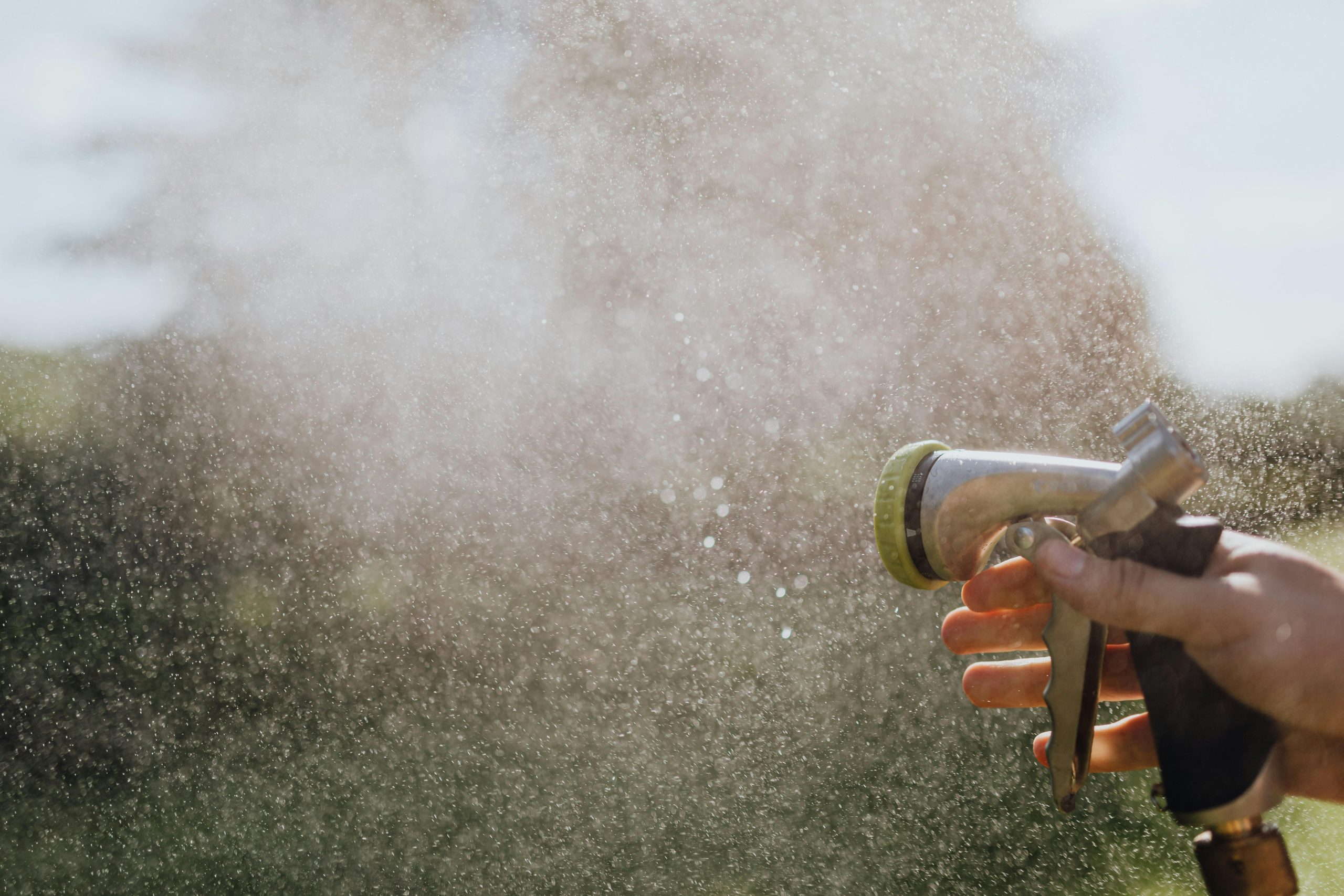
One of the most important summer garden tips is to water deeply rather than lightly. A common mistake in hot weather gardening is frequent shallow watering, which encourages weak, surface-level roots that dry out quickly. Deep watering allows moisture to reach the root zone, where plants can access it longer.
Water management educators often suggest checking moisture below the surface instead of relying on how the soil looks. The top layer may appear dry while deeper soil is still moist—or the reverse. A steady routine based on actual soil conditions tends to be far more effective than guessing.
Watering early in the morning is usually best. It gives plants time to absorb moisture before the heat builds, reduces evaporation, and helps the garden start the day in better shape.
Credit: www.kaboompics.com / Pexels
Use Mulch to Protect Roots and Hold Moisture
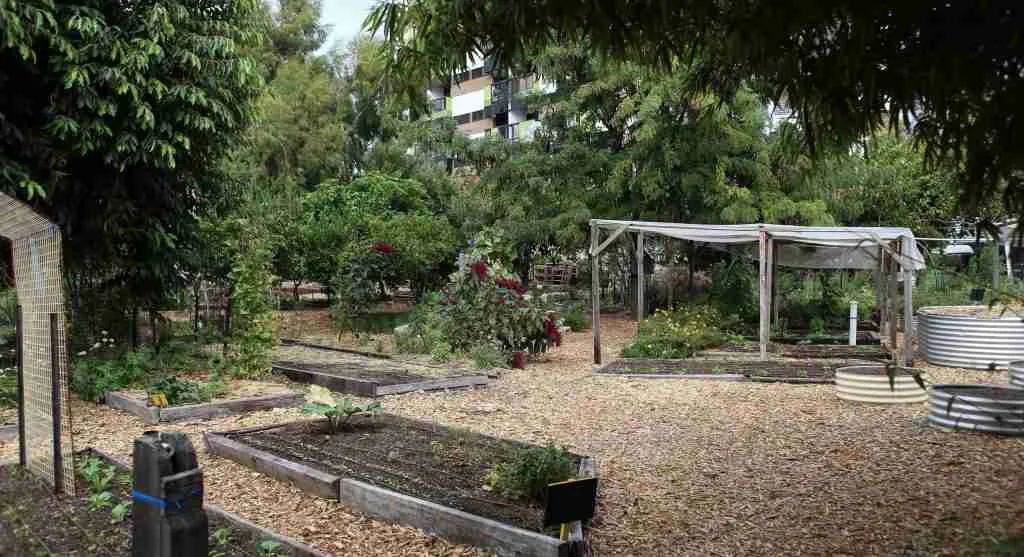
Mulch becomes especially important in summer because it protects the soil from direct sunlight. This helps reduce evaporation, regulate soil temperature, and shield shallow roots from overheating. In many backyard gardens, mulch is what keeps moisture levels stable instead of constantly fluctuating.
Soil care specialists often recommend organic materials like straw, shredded leaves, or other untreated plant matter. These not only retain moisture but also improve soil quality over time as they break down. A moderate layer of mulch can also reduce soil splashing and help control weeds.
Summer garden tips that include mulching often make maintenance easier. With less water loss and fewer weeds, the soil stays more consistent, giving plants a stronger foundation during long stretches of heat.
Protect Garden Plants From Heat With Smart Timing
Timing plays a bigger role than many gardeners expect. Tasks like transplanting, pruning, harvesting, and heavy weeding can add unnecessary stress if done during the hottest part of the day. One of the simplest summer garden tips is to handle most garden work in the early morning or later in the evening.
Plant care educators often point out that heat-stressed plants don’t recover as quickly from disturbance. A seedling transplanted at midday may wilt quickly, while one planted in cooler hours is more likely to settle in successfully. While timing doesn’t solve everything, it can prevent avoidable stress.
Hot weather gardening becomes more manageable when you work with the natural rhythm of the day instead of against it. Small adjustments in routine can go a long way.
Watch for Signs of Heat Stress Before Growth Slows Too Much
Plants usually show early warning signs before serious damage occurs. Leaves may droop in the afternoon, flowers may fall off, edges can dry out, or fruit development may slow. These signals give gardeners a chance to respond before the entire bed struggles.
Crop specialists often recommend looking for patterns rather than reacting to a single moment. Some midday wilting is normal if plants recover by evening. But if stress continues or worsens, it may point to deeper issues with moisture, roots, or exposure. Paying attention to these details is one of the most practical summer garden tips.
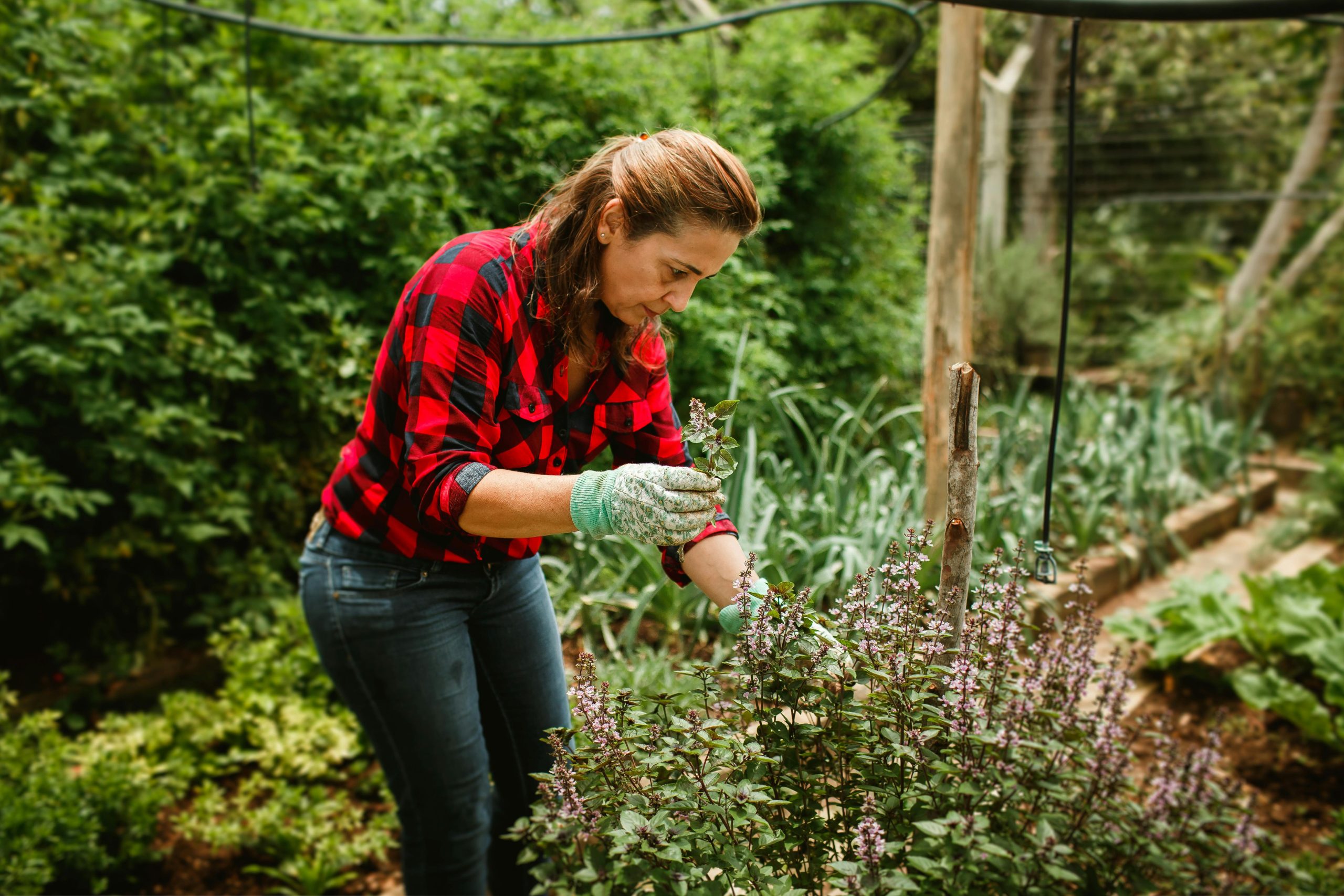
In a backyard garden, regular observation helps guide decisions about watering, mulching, and overall care. It turns daily maintenance into a more responsive process.
Credit: Helena Lopes / Pexels
Give Airflow More Attention During Humid Heat
Not all summer stress comes from dry conditions. In humid environments, dense plant growth can trap moisture around leaves, creating a different kind of pressure. When plants stay wet for too long after watering or rain, it can lead to additional stress. Good airflow helps prevent this.
Garden planners often recommend proper spacing, using supports, and thinning out overcrowded areas when needed. This doesn’t mean removing healthy growth unnecessarily—it’s about keeping enough space for air and light to move through.
Hot weather gardening becomes more stable when plants aren’t crowded into damp, stagnant conditions. Better airflow also makes it easier to monitor plant health day to day.
Harvest Regularly to Reduce Plant Strain
Many summer crops produce more when they’re harvested frequently. Beans, cucumbers, squash, peppers, and herbs often keep growing steadily when mature produce is picked on time. Leaving them too long can slow production and add strain during already stressful conditions.
Harvesting experts often explain that regular picking keeps plants active. It also gives gardeners a chance to check on water levels, spot pests, and catch problems early. This habit supports both plant health and kitchen use.
Among summer garden tips, regular harvesting is easy to overlook. But it’s not just the result of gardening—it’s part of the care process itself.
Choose Seasonal Support Instead of Forcing Every Crop
Not every plant thrives in peak summer heat. Some cool-season crops may slow down, turn bitter, or bolt as temperatures rise. One of the more practical summer garden tips is to work with the season rather than trying to force every crop to perform the same way year-round.
Many growers shift focus to heat-tolerant plants during midseason. Others use shade, staggered planting, or later sowing for crops that prefer cooler conditions. This approach keeps the garden productive without unrealistic expectations.
To protect garden plants from heat, it helps to know which crops are naturally suited to current conditions and which need extra care. That understanding makes planning easier and results more consistent.
Frequently Asked Questions
Q: What are the best summer garden tips for beginners?
A: Some of the most effective tips include deep early watering, using mulch, working during cooler hours, watching for signs of heat stress, and harvesting regularly. These habits help reduce pressure on plants in hot weather.
Q: How can gardeners protect garden plants from heat?
A: Gardeners can protect plants by covering soil with mulch, watering deeply at the right time, improving airflow, and avoiding stressful tasks during peak heat. Regular observation also helps catch issues early.
Q: Why do plants wilt even when the soil seems moist?
A: Plants can wilt from heat stress even if moisture is still present. If they recover later in the day, it may be temporary. But repeated wilting can signal deeper problems with roots, exposure, or watering balance.
Q: Is hot weather gardening mostly about watering more?
A: Not exactly. It’s also about retaining moisture, protecting roots, reducing stress, and timing garden tasks carefully. Smart management often matters as much as the amount of water used.
Key Takeaway
These summer garden tips show that healthy warm-weather growth depends on reducing stress, not only adding more water. Deep watering, mulch, better timing, close observation, airflow, and regular harvests can all help a backyard summer garden stay stronger during hot periods. Gardeners who protect garden plants from heat early often avoid bigger problems later in the season. For most growers, the best summer garden tips are the ones that make hot weather gardening steadier and easier to manage.
[INTERNAL LINKING SUGGESTIONS]
- Water Saving Tips That Help Backyard Gardens Stay Healthier in Warm Weather
- Soil Tips That Help Backyard Gardens Grow Stronger Through the Season
- Harvest Tips That Help Backyard Garden Crops Stay Fresher Longer