
 Credit: Greta Hoffman / Pexels
Follow Simple Depth Rules for Better Seed Starting Advice
Seed depth is one of the most overlooked planting tips. A seed that is buried too deeply may use too much energy trying to reach the surface. A seed left too shallow may dry out before it germinates or may wash away during watering. These small differences can affect how evenly a row emerges.
Seed starting advice often includes checking the packet or growing guide for crop-specific depth, but a general rule is that smaller seeds usually need a shallower placement than larger seeds. Garden educators often remind growers not to press too hard after sowing. Good seed-to-soil contact matters, but soil should still allow the young shoot to emerge easily.
Even emergence supports a more manageable garden. It helps with thinning, spacing, and early watering decisions. Better seed depth is a simple step with long-term value.
Use Planting Tips That Match Crops to the Right Weather
Some crops grow best in cool conditions, while others need warmth before planting. One of the strongest planting tips is matching the crop to the season instead of planting everything as soon as the bed is ready. Leafy greens, peas, and some root crops often handle cooler conditions better, while tomatoes, beans, peppers, and squash usually prefer warmer soil and air.
Plant specialists often explain that weather affects not only plant survival but also early growth speed. A crop planted too early into cold conditions may survive but remain weak or delayed. A crop planted at the right time often establishes faster and needs fewer corrections during its first weeks in the garden.
Backyard vegetable planting becomes more effective when gardeners think about the crop’s preferred conditions instead of following only the calendar. Timing is often one of the most important parts of a strong start.
Handle Seedlings Gently to Reduce Transplant Stress
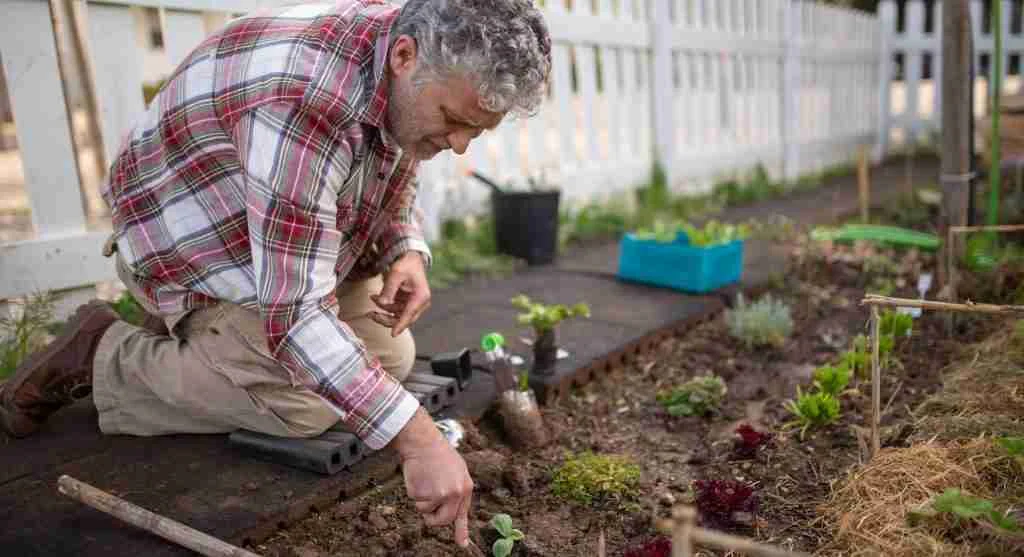
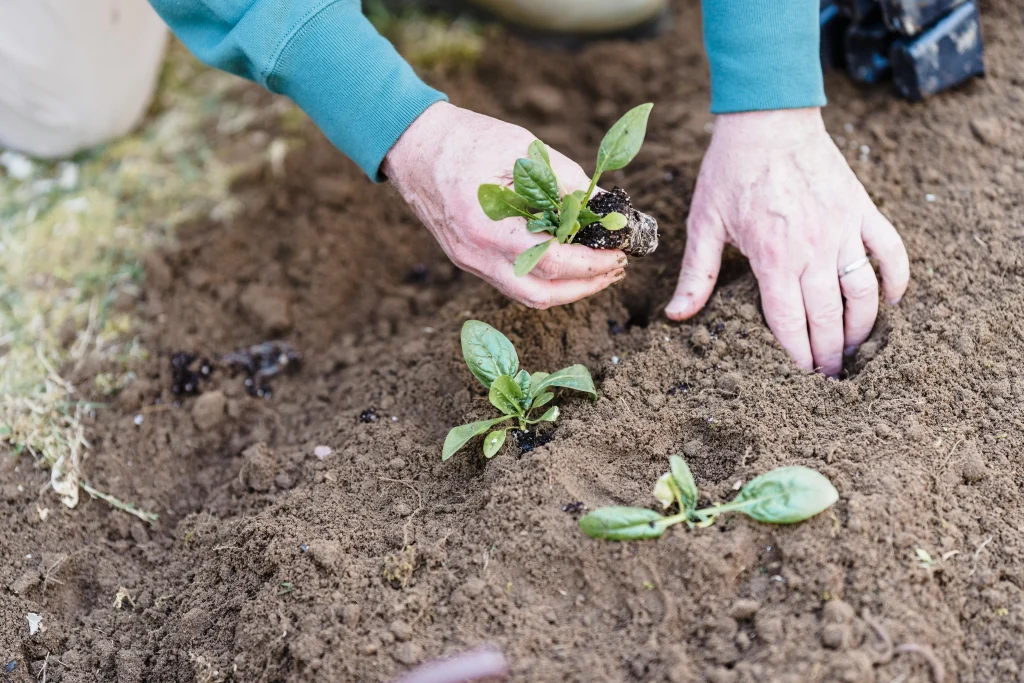
When planting seedlings, careful handling matters as much as soil preparation. Young plants may look sturdy, but roots and stems can be damaged easily by rough movement or fast planting. One of the better planting tips is to move seedlings when the weather is calm and to handle them by the container or soil mass rather than by the stem.
Growers and extension-style educators often note that planting seedlings in late afternoon or during milder conditions can reduce immediate stress. Watering the planting hole lightly and settling the soil gently around the roots can also help support early stability. The goal is to move the seedling into the bed with as little shock as possible.
Seed starting advice often focuses on germination, but the transplant stage is just as important. A healthy seedling can pause for days if the move into the garden is too abrupt or poorly timed.
 Credit: Photographer Name / Pexel
Space Young Plants for Healthier Future Growth
Another important group of planting tips involves spacing. Many gardeners plant closely because the bed looks more full and productive at the start. But crowded seedlings often compete for light, air, and moisture sooner than expected. This can lead to weaker stems, slower growth, and more difficult maintenance later.
Garden layout specialists often recommend following spacing guidance even when it feels too open at first. Plants grow quickly, and the space that looks empty in the beginning usually fills in sooner than expected. Good spacing also makes weeding, watering, and harvesting much easier throughout the season.
For backyard vegetable planting, correct spacing is not wasted room. It is part of a healthier, more manageable layout that supports strong crop development over time.
Water New Plantings Evenly Without Overdoing It
Seeds and new seedlings need steady moisture, but they do not benefit from constantly soaked soil. One of the most practical planting tips is keeping the planting zone evenly moist while roots and sprouts establish. Dry swings may stop germination, while constant wetness can reduce airflow around roots and create new stress.
Water educators often explain that the right moisture level depends on crop type, weather, and soil texture. A seedbed may need lighter, more regular moisture, while seedlings often benefit from deeper watering around the root zone after planting. The key is consistency, not excess.
Better watering at this stage often prevents uneven starts in the garden. It also supports stronger root systems that can handle future weather changes more effectively.
Keep Simple Notes on What Helped Crops Start Well
One of the smartest planting tips is to record what worked. Planting dates, weather conditions, seed depth, transplant timing, and crop response all help gardeners learn what supports better starts in their own yard. Over time, these records become more useful than memory alone.
Garden educators often suggest short notes rather than detailed formal records. Even writing down which seedlings established fastest or which direct-seeded row emerged evenly can improve the next planting round. These notes help turn broad seed starting advice into a personal growing system.
Backyard vegetable planting becomes easier when each season builds on the last. Observation and simple record-keeping often strengthen planting decisions in a very practical way.
Frequently Asked Questions
Q: What are the best planting tips for beginners?
A: Some of the best planting tips for beginners include preparing the soil well, sowing seeds at the right depth, matching crops to the season, handling seedlings gently, and spacing young plants properly. These steps help improve early growth and reduce stress.
Q: Why is planting seedlings carefully so important?
A: Planting seedlings carefully helps reduce transplant stress and supports faster root establishment. Gentle handling and better timing often help young plants settle into the garden more successfully.
Q: How can gardeners use better seed starting advice outdoors?
A: Gardeners can use better seed starting advice outdoors by checking seed depth, preparing fine soil at the surface, and keeping moisture even while seeds germinate. These steps help improve more even emergence in backyard beds.
Q: Does spacing really matter when plants are still small?
A: Yes, spacing matters from the start because young plants grow quickly and soon need room for roots, leaves, airflow, and access to light. Better spacing often leads to healthier future growth and easier care.
Key Takeaway
These planting tips show that a strong garden often begins with careful early decisions. Prepared soil, correct seed depth, crop timing, gentle planting seedlings methods, steady moisture, and good spacing all help support stronger starts. Simple notes also make future backyard vegetable planting easier to improve. For many growers, the best planting tips are the ones that help seeds and seedlings establish well from the very beginning.
[INTERNAL LINKING SUGGESTIONS]
- Garden Tips That Help Backyard Beds Stay Neat and Easier to Manage
- Soil Tips That Help Raised Beds Stay Productive for Longer
- Water Saving Tips That Help Raised Beds Hold Moisture More Effectively