
Useful growing hacks can help backyard gardeners use vertical space better without making a small bed feel crowded, shaded, or awkward to work in. Many home gardens run short on ground space long before they run short on upward space. Leaves spread, paths tighten, and the bed begins to feel full even though the area above the crop is still mostly empty. With better planning, that extra height can become part of the garden instead of wasted air.
Garden educators, crop planners, and experienced home growers often explain that vertical garden growing works best when supports improve access instead of making the layout harder to manage. The goal is not to fill every bed with tall structures. The goal is to support climbing crops in ways that protect light, airflow, and harvest access. These growing hacks focus on using vertical space more wisely, keeping small backyard bed ideas practical, and helping productive beds stay easier to manage through the season.
Why Growing Hacks Matter for Vertical Garden Space
Small backyard gardens often face the same problem again and again. Crops that begin neatly in rows eventually lean into each other, spread across paths, or sit low enough to become harder to inspect and harvest. When more horizontal room is not available, the garden can start to feel like it has reached its limit even when some crops would naturally grow well upward.
Researchers who study small-space food production often note that vertical growth can increase useful yield when it is matched to the right crops and support methods. But height alone is not the answer. If taller growth blocks too much light or creates difficult harvest conditions, the bed may become less useful instead of more productive. This is why growing hacks matter so much in compact gardens. Better vertical use depends on structure, timing, and crop choice working together.
Vertical garden growing usually succeeds when it makes the bed feel more open and more organized, not more tangled. Good supports should create clarity instead of clutter.
Choose Crops That Naturally Want to Climb or Lift
One of the strongest growing hacks is choosing crops that are already suited to vertical support. Pole beans, cucumbers, some peas, and certain vining crops often respond well to being lifted. These crops usually gain the most from vertical space because they already want to move upward or outward and can become messy quickly if left to spread low across the bed.
Garden planners often explain that not every crop should be forced into a vertical system. Some vegetables simply perform better with stable ground space and are easier to manage that way. Choosing the right crop first often matters more than building the support itself. A crop that suits vertical growth usually makes the whole method feel simpler and more natural.
To support climbing crops well, gardeners often need to start with the plants most likely to benefit from height. A good match between crop and structure usually solves many later problems before they begin.
Place Vertical Crops Where They Will Not Steal Too Much Light
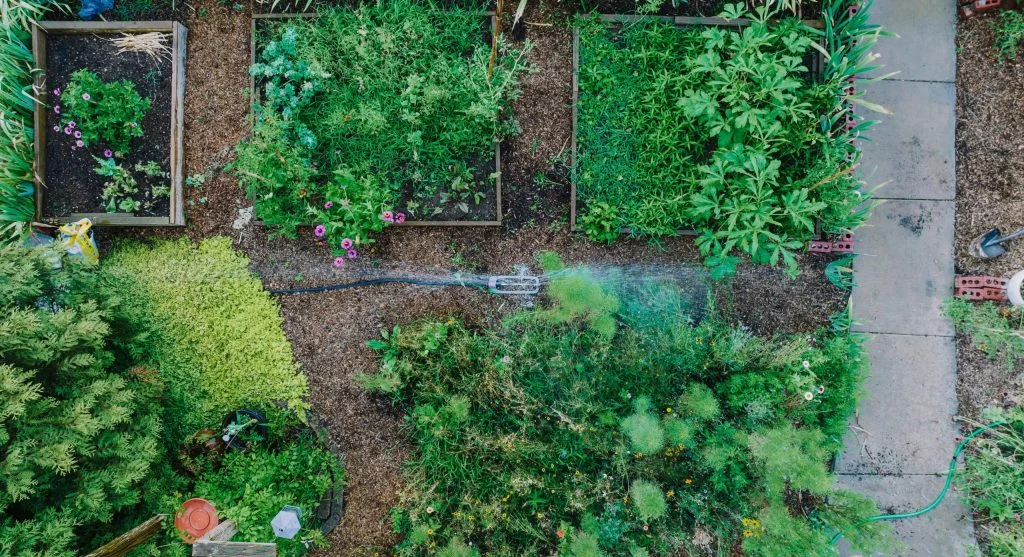
Another of the most useful growing hacks is thinking about shadow before supports are built. A tall crop may save ground space while also casting too much shade on lower crops that need strong light. That tradeoff can make a bed less productive if the structure is placed in the wrong part of the garden.
Garden educators often suggest placing taller supported crops where their shadows will fall least heavily on the crops that need the brightest conditions. This often means thinking about the direction of light across the day and planning taller elements so they do not dominate the most valuable sun space. A vertical crop should solve a space problem, not create a light problem in return.
Small backyard bed ideas usually work best when height is placed with intention. The best support position is often the one that protects both space and sunlight at the same time.
Use Simple Supports That Keep the Bed Easy to Reach
One of the smarter growing hacks is choosing support styles that make the bed easier to use instead of harder to enter. Tall structures that are too wide, unstable, or awkwardly placed may block harvest access, watering, and regular checks. A simpler support often works better than a larger one that takes over the bed.
Outdoor growing educators often explain that good supports should create clearer crop movement, not a maze of stems and poles. Neat trellises, strong stakes, modest frames, or simple guiding lines often keep the crop upright without making daily tasks more difficult. This is especially important in small gardens where every step and hand movement matters more.
Vertical garden growing often feels most successful when the support disappears into the routine instead of becoming the main thing the gardener must work around.
Guide Growth Early Before It Becomes Hard to Correct
One of the most practical growing hacks is starting the upward guidance early. A vine or flexible stem is much easier to position when it is still young and manageable. If the gardener waits too long, the crop may already be sprawling across nearby plants or pulling in the wrong direction, making the correction slower and riskier.
Plant support specialists often note that early gentle guidance helps stems attach, climb, or rest where they belong before weight and size increase. This protects both the climbing crop and the neighboring plants around it. It also helps the bed keep a more orderly shape as growth speeds up.
To support climbing crops well, gardeners usually need to act before the bed looks fully tangled. Early shaping often saves much more work later in the season.
Keep the Ground Below Useful Instead of Empty or Blocked
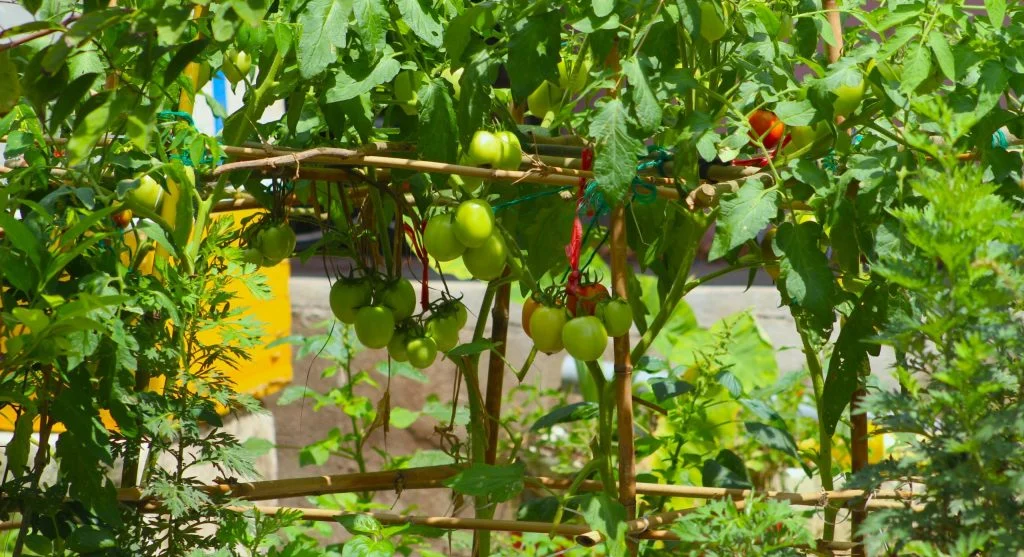
One of the best growing hacks is thinking about what happens under the climbing crop. If vertical support is done well, the ground below often becomes more usable because sprawling leaves are lifted off it. But that space should still stay open enough for airflow, watering, or carefully chosen lower crops, rather than becoming a dark crowded patch that is hard to reach.
Garden planners often recommend keeping the base area clean, mulched, and easy to inspect. In some layouts, smaller quick crops may work beneath or beside a climbing crop if the light still supports them well. In others, the best use of the lower space may simply be open access for watering and harvest. Either way, the area below should remain functional.
Small backyard bed ideas usually become much stronger when vertical support improves the whole bed, not only the crop that is climbing. The ground below still matters a great deal.
Watch Airflow and Density as the Crop Fills In
One of the more overlooked growing hacks is remembering that a vertical crop can still become too dense. Lifting a plant upward does not automatically prevent crowding if leaves begin layering too tightly along the support. Over time, the wall of growth may block airflow and make inspection harder if it is not watched closely.
Plant health educators often suggest checking whether light still moves through the supported crop and whether the stems remain visible enough for harvest and care. If the structure begins to feel more like a solid screen than a guided plant, the gardener may need small corrections to keep the system useful. Vertical growing should improve visibility, not remove it.
To use vertical space better, the crop must stay workable as it matures. Good height still needs good airflow and access.
Keep Notes on Which Supports Truly Helped the Bed
One of the strongest growing hacks for future seasons is recording which vertical methods actually made the bed easier to manage and which ones created extra work. Some supports may improve harvest and light, while others may make watering awkward or cast too much shade. These results become clearer once they are written down.
Garden educators often suggest noting the crop, support type, bed location, ease of harvest, and whether the bed felt more open or more crowded by midseason. These notes help growers choose better structures the next time and avoid repeating ideas that looked good at first but felt impractical later.
Vertical garden growing usually gets better from season to season because gardeners learn which supports truly fit their space. Notes help that learning stay useful.
Frequently Asked Questions
Q: What are the best growing hacks for using vertical garden space?
A: Some of the best growing hacks include choosing naturally climbing crops, placing tall growth where it will not block too much light, using simple supports, guiding vines early, keeping the ground below functional, and watching airflow as the crop matures.
Q: How can gardeners support climbing crops without making the bed harder to manage?
A: Gardeners can support climbing crops by using stable simple structures, placing them carefully for light and access, and guiding growth early so it stays organized instead of sprawling into neighboring plants.
Q: Why are vertical supports helpful in small backyard bed ideas?
A: Vertical supports are helpful because they lift growth upward, free useful ground space, and can make a small bed more productive when the crop and support are matched well. They often help more in tight gardens than in larger open spaces.
Q: What should gardeners watch after vertical crops start filling in?
A: Gardeners should watch for shade, airflow problems, overly dense foliage, and whether the bed is still easy to water and harvest. A vertical crop should stay workable, not become a wall that blocks care.
Key Takeaway
These growing hacks show that vertical space becomes most useful when it helps the bed stay organized, productive, and easy to work in. Choosing the right climbing crops, placing supports carefully, guiding growth early, keeping the lower space functional, and protecting airflow all help vertical garden growing succeed in small backyard beds. Simple notes make future support choices even better. For many gardeners, the best growing hacks are the ones that use upward space without making the bed harder to manage below.