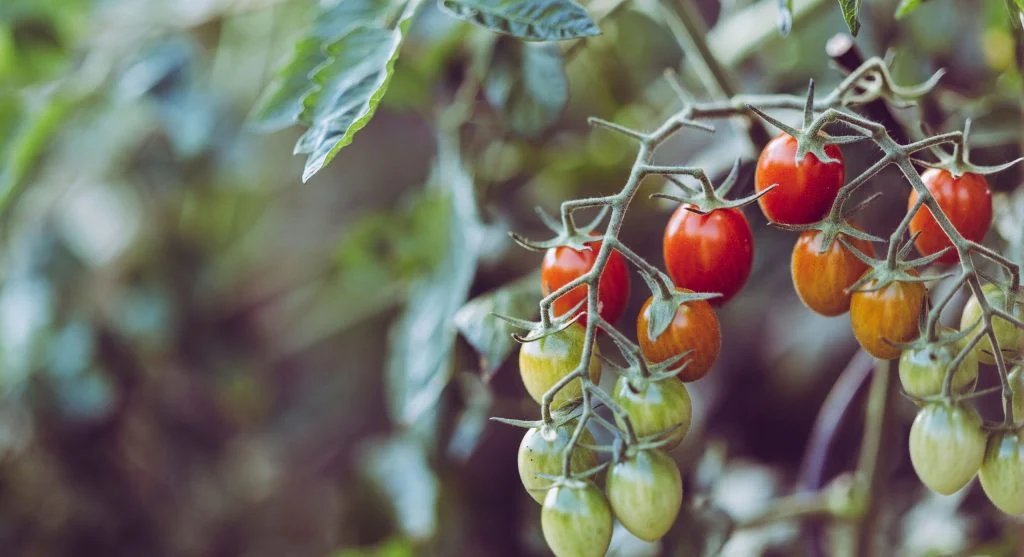

Useful harvest tips can help backyard gardeners understand that every crop has a window when it is at its most useful, most enjoyable, and most worth picking. Many harvest problems happen because the crop is not picked too early or too late in a dramatic way. Instead, it stays on the plant just a little longer than necessary. That extra time may not ruin it completely, but it often changes the texture, flavor, tenderness, or usefulness more than the grower expected.
A lot of backyard produce does not improve just because it becomes larger or stays attached longer. In many cases, it simply becomes heavier. That extra weight may look productive, but it can quietly lower quality and make the plant harder to manage. These harvest tips focus on how to recognize the right picking window, understand why harvest timing in the garden matters so much, and avoid letting good produce turn into extra garden weight.
More Time on the Plant Does Not Always Mean Better Food
Many new gardeners assume that leaving produce longer will make it more developed and therefore more useful. Sometimes that is true. But for many crops, the best harvest stage arrives before the plant has finished stretching that fruit, pod, or leaf to its largest possible size. Once that stage passes, the crop may become tougher, more fibrous, more seedy, or simply less enjoyable to cook and eat.
This is why harvest tips are often less about the biggest harvest and more about the best harvest. The right picking window is the point where the crop offers the most value, not merely the most weight. That difference can change the whole quality of the garden season.
Each Crop Has a Useful Stage, Not Just a Mature Stage
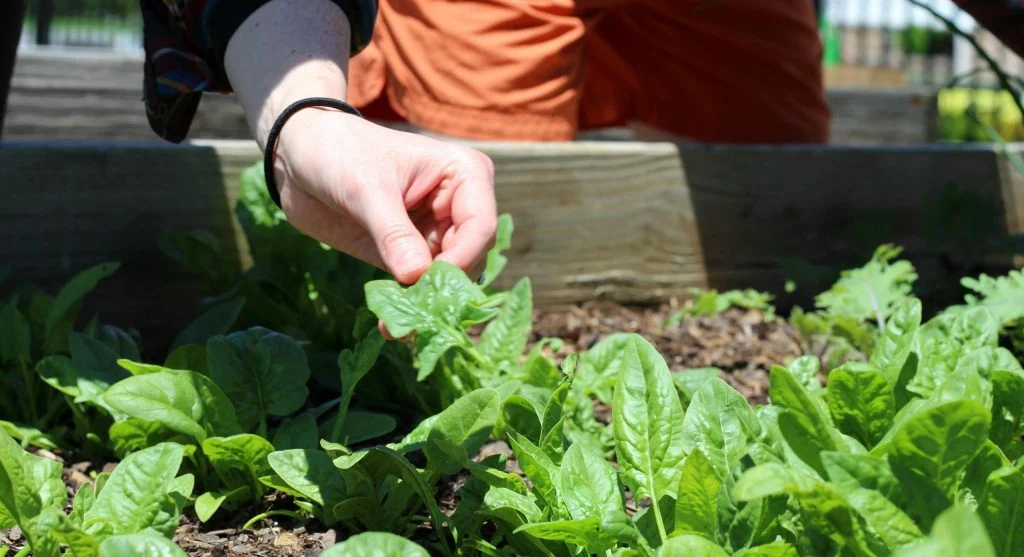
One of the most important things a gardener can learn is that “ready” does not always mean “fully mature” in the broadest sense. Many vegetables are best when they are still tender, balanced, and easy to use. Beans, cucumbers, squash, greens, herbs, peas, and even some fruiting crops often have a stage where they are especially practical for the kitchen.
Once a gardener begins thinking in terms of a useful stage instead of a final stage, harvest decisions become much easier. The goal shifts from waiting for the crop to become as large as possible to noticing when it becomes most valuable to pick.
Weight Can Hide a Quality Problem
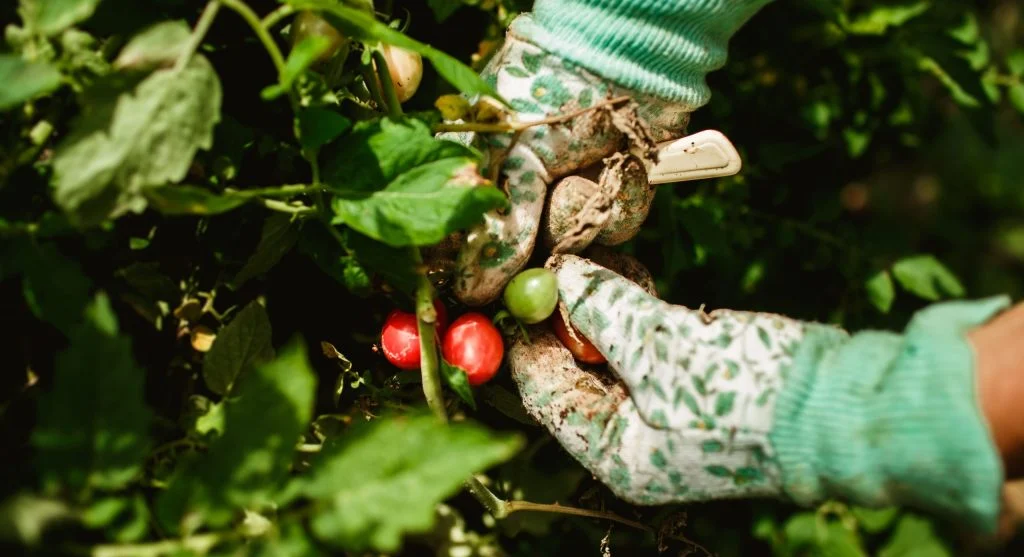
A large harvest often feels successful, so it is easy to assume that heavier produce is a sign of better timing. But extra weight can sometimes hide the fact that the crop has moved beyond its best point. A giant squash, a thick pod, or an oversized cucumber may look impressive in the hand while quietly losing the tenderness or balance that made it worth growing in the first place.
This is one reason why harvest timing in the garden matters so much. The plant may keep adding size after the best eating stage has already passed. If the gardener equates size with success, that shift may go unnoticed until the kitchen reveals it clearly.
The Right Picking Window Often Feels Shorter in Warm Weather
During active growing weather, the best harvest stage can pass quickly. A crop that looked almost ready yesterday may be fully ready today and noticeably oversized very soon afterward. This is especially true for fast-growing summer produce that responds quickly to heat, sunlight, and steady watering.
That does not mean gardeners need to panic. It means they need to understand that warm weather shortens the decision window for some crops. The faster the bed is moving, the more helpful regular observation becomes. Good harvest tips often begin with respecting the speed of the season.
Plants Work Better When Good Produce Leaves on Time
Produce that stays on the plant too long does not only affect food quality. It can affect the plant itself. Mature heavy produce can add drag to the growth pattern of the bed, slow the look of freshness, and sometimes make the crop harder to inspect or harvest properly later. A plant burdened with older produce may not feel as open or active as one that is harvested on time.
In many gardens, timely picking helps the whole bed stay lighter, clearer, and easier to manage. This is why harvest tips often overlap with general bed care. A crop that leaves at the right moment often helps the rest of the plant continue performing well.
Checking by Feel Can Be as Useful as Checking by Sight
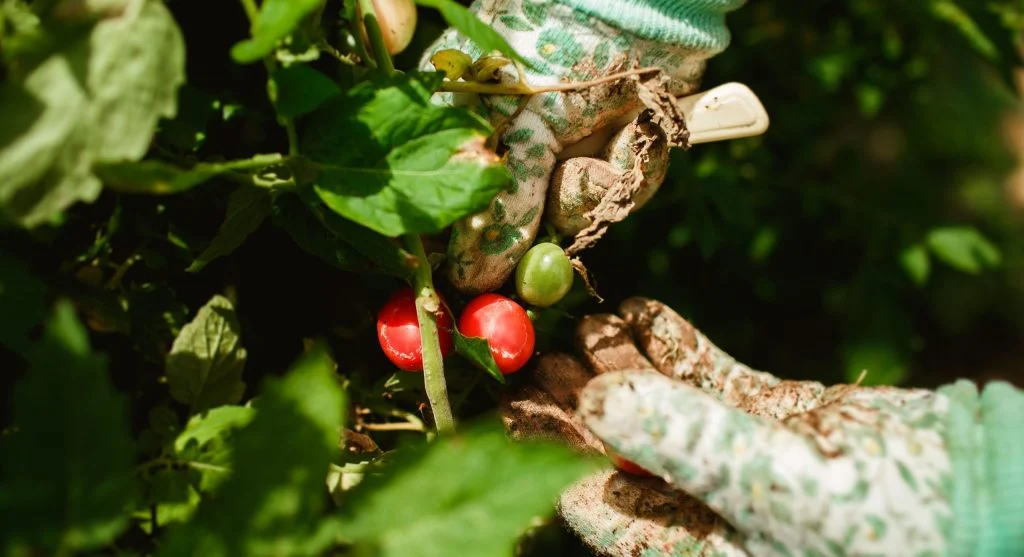
Gardeners often rely heavily on visual signals, but feel is also important. Some produce reveals its best stage by firmness, tenderness, flexibility, or texture. A crop may look beautiful from across the bed and still feel slightly past its best once handled. A grower who combines visual judgment with touch often develops a much stronger sense of the right picking window.
This kind of skill grows over time. The more often a gardener checks crops at different stages, the easier it becomes to notice the difference between “almost ready,” “ideal,” and “left too long.”
Do Not Build the Harvest Routine Around Convenience Alone
One reason crops stay on the plant too long is simple convenience. The gardener may prefer to harvest only on certain days or wait until enough produce has built up to feel worthwhile. That habit is understandable, but it does not always match the true timing of the crop. Some vegetables do not improve because the schedule is easier for the grower.
This is why repeated short harvests often outperform one large delayed one. A quick pass through the bed can protect quality better than waiting for a bigger basket later. The best harvest tips often support a lighter but more accurate routine.
Keep Notes on Which Crops Lose Quality Fastest
Not every crop punishes delayed picking equally. Some stay useful for a little longer, while others change rapidly. One of the best ways to improve harvest timing is to record which crops move past their ideal stage the fastest in that specific garden. A short note after harvest can become very useful the next time the same crop begins sizing up.
These notes help the gardener see patterns clearly. Over time, they show which plants need frequent checking, which ones can wait an extra day, and which beds deserve first attention during busy weeks. That understanding turns harvest into a more intentional part of garden care.
Frequently Asked Questions
Q: What is the right picking window in a garden?
A: The right picking window is the stage when produce is at its most useful for quality, tenderness, flavor, and kitchen use, even if it has not reached its biggest possible size.
Q: Why is larger produce not always better?
A: Larger produce may carry more weight, but it can also lose tenderness, balance, and flavor. In many crops, extra size means the best eating stage has already passed.
Q: How can gardeners improve harvest timing in the garden?
A: Gardeners can improve harvest timing by checking crops regularly, learning each crop’s ideal use stage, using both sight and feel, and keeping notes on which plants change most quickly in warm weather.
Q: How do gardeners avoid overmature produce?
A: Gardeners avoid overmature produce by harvesting in shorter intervals, not waiting only for convenience, and noticing when quality peaks before extra size begins to reduce usefulness.
Key Takeaway
These harvest tips show that the best produce is not always the biggest produce. Many crops reach a right picking window where flavor, texture, and usefulness are strongest, and that moment often arrives before the plant has added its last bit of size. By learning to recognize that stage and harvesting on time, gardeners can avoid letting good food turn into extra garden weight. For many growers, the best harvest tips are the ones that protect quality before size begins working against it.