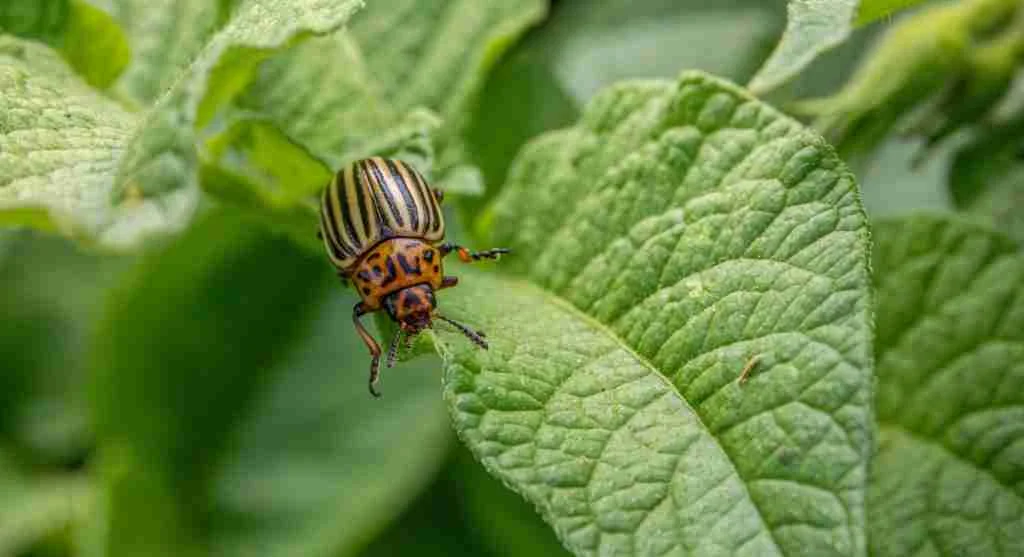

Useful pest control tips can help backyard gardeners notice a frustrating summer pattern before it turns into a larger crop problem: the top of the bed still looks healthy, but the trouble is already building underneath. Once summer growth becomes thick, many beds stop revealing problems easily. Leaves overlap, fruit hangs low, stems cross each other, and the center of the planting becomes harder to see without a deliberate check.
This is exactly when hidden feeding often gains ground. A gardener may look over the bed and see lush growth, while lower leaves, shaded stems, or tucked-away fruit are already showing the first real signs of pressure. These pest control tips focus on how to inspect under foliage more effectively, how to read dense summer beds before they become deceptive, and how to catch hidden garden pest damage while it is still manageable.
Summer Fullness Can Make a Bed Look Safer Than It Really Is
Many backyard beds become visually impressive in midsummer. Tomatoes branch outward, beans thicken, squash spreads, and leafy crops create layers that look rich and productive. That abundance is usually a good sign, but it also changes how easy the bed is to read. The stronger the canopy becomes, the easier it is for small early damage to stay concealed.
This is why the best pest control tips often change with the season. Early in the year, a quick glance may be enough to read most of the plant. In summer, that same quick glance often shows only the outside shell of the bed. The real story may be unfolding below it.
The Outside of the Plant and the Inside of the Plant Can Tell Different Stories
One of the most important things a gardener can remember is that a healthy-looking outer layer does not guarantee a healthy interior. The top leaves may still look rich and active while the lower leaves are being chewed, shaded, or weakened. Fruit near the front may look fine while hidden fruit in the back is already under stress.
That difference matters because it changes how often the gardener needs to physically look inside the bed. Hidden garden pest damage often spreads during the exact period when the planting appears most beautiful from a distance. If inspection stays shallow, the bed can fall behind before the grower realizes there is a pattern forming.
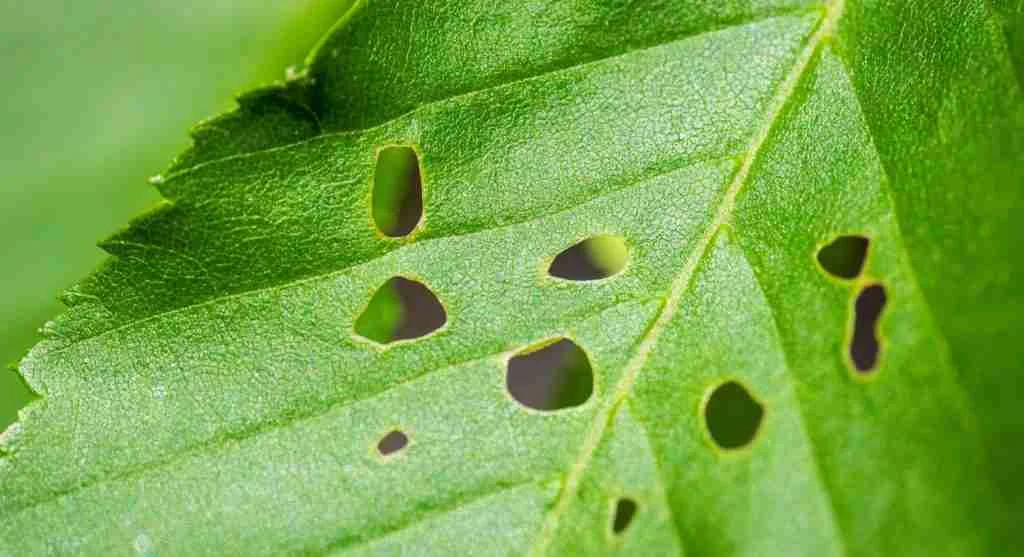
Lower Leaves Often Show Trouble Before the Top Does
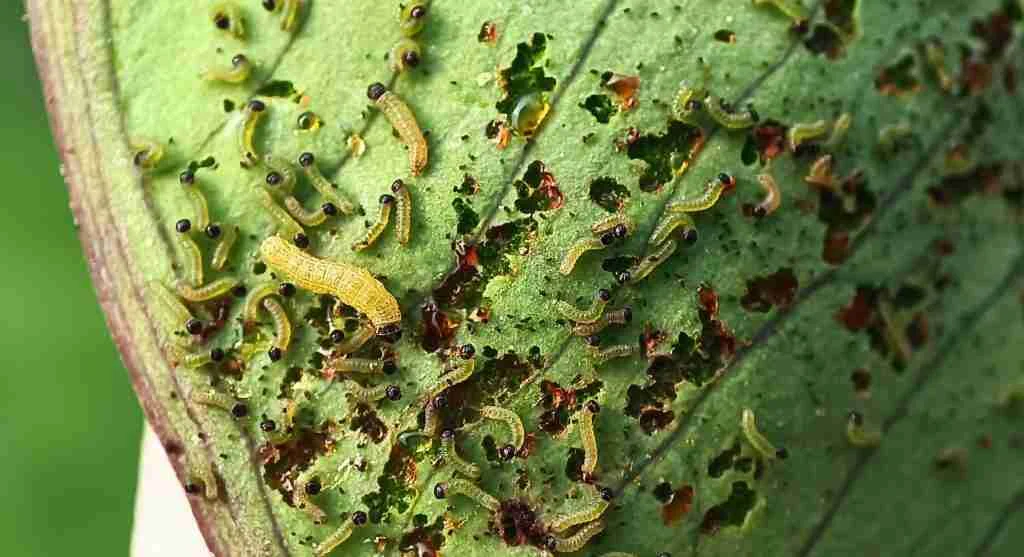
In crowded summer beds, lower leaves are often the first place where change becomes visible. They sit closer to mulch, closer to damp shade, and closer to the quiet parts of the bed that are easiest to overlook. Damage here may begin with rough edges, thinning tissue, light chewing, fading patches, or unexpected decline in a small hidden pocket.
This does not always mean lower growth is the only area that matters. It means the lower layer often gives the earliest useful warning. A gardener who regularly checks those leaves usually finds patterns earlier than one who only looks across the top of the planting.
Fruit Hidden Beneath Leaves Deserves Its Own Inspection
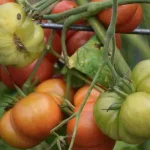
Not all hidden trouble appears on leaves. Summer crops often develop fruit in places the eye does not naturally land first. Cucumbers can hide low in the bed. Tomatoes can disappear behind stems. Peppers can tuck inward beneath foliage. If those hidden fruits are never checked directly, the grower may miss the first signs of feeding or stress.
One of the smartest pest control tips is treating fruit checks and leaf checks as different tasks. A bed may pass one and fail the other. Dense summer growth makes that difference more important, not less.
Dense Beds Need Slower Hands, Not Just Sharper Eyes
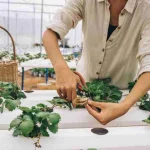
When a bed gets thick, inspection becomes a hands-on activity. The grower often needs to lift leaves, part stems gently, and look below the first layer instead of expecting a standing glance to reveal enough. This is where many hidden problems stay hidden longest, because the gardener is still looking at the bed as if it were an open spring planting.
A slower physical check often makes the difference. Good pest control in midsummer depends on the willingness to move the canopy carefully and see what the outside of the bed is blocking from view.
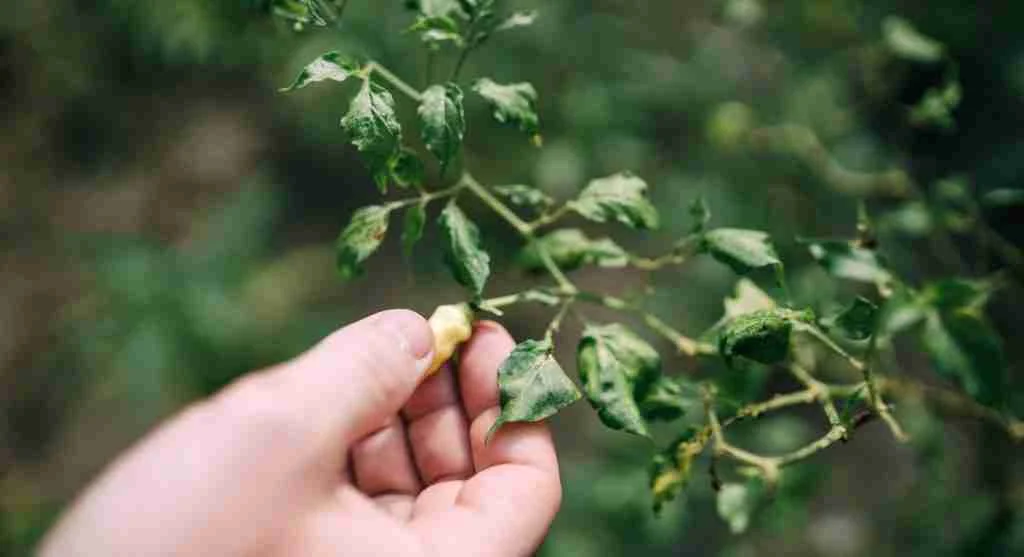
Harvest Time Is Often the Best Inspection Time
One of the most practical ways to improve summer pest checks is to combine them with harvests. Harvest already requires the gardener to reach into the bed, touch the crop, and look closely at stems, leaves, and fruit. That makes it a natural time to notice things that would never stand out from the path.
This is especially useful in dense summer beds because it saves time and builds a more realistic routine. Instead of adding a separate inspection trip, the grower turns harvest itself into a closer reading of the plant. Many problems are caught earlier simply because the gardener is already in the right place to see them.
Airflow and Visibility Matter More as the Season Thickens
When a bed becomes too visually sealed, it becomes harder to manage in every way. Problems stay hidden longer, moisture patterns become harder to judge, and the grower stops seeing how the crop is really behaving. Small guidance of stems, clearing spent material, or lightly improving visibility can make future inspections much more effective.
This is not about making the bed sparse. It is about making the bed readable. Dense summer beds still need enough openness that the gardener can inspect them honestly. Once visibility is lost, timing usually slips too.
Keep Notes on Which Crops Hide Trouble Best
Some crops stay easier to inspect even at peak growth. Others become experts at hiding early damage. One of the best long-term habits is writing down which plants repeatedly conceal the first warning signs. A bed of cucumbers may behave differently from a bed of peppers. A dense tomato patch may require more hands-on checking than an herb border.
These notes help shape better seasonal habits. Over time, the gardener learns which plantings can be trusted to show their condition clearly and which ones need deliberate deeper checks before small issues become larger ones.
Frequently Asked Questions
Q: Why is pest damage harder to notice in summer beds?
A: Summer beds often develop thick layers of leaves, stems, and fruit that hide the lower and inner parts of the planting. This makes damage harder to spot with a quick glance from outside the bed.
Q: What are the best pest control tips for dense summer growth?
A: The best tips include checking lower leaves, inspecting hidden fruit, physically lifting foliage during harvest, and keeping enough visibility in the bed that problems do not stay concealed too long.
Q: Where does hidden garden pest damage usually show first?
A: It often appears on lower leaves, shaded inner stems, or fruit tucked under dense foliage, especially in the quiet areas of the bed that receive less direct observation.
Q: How can gardeners inspect under foliage without damaging plants?
A: Gardeners can inspect safely by moving slowly, lifting leaves gently, parting stems with care, and using harvest time as a natural opportunity to look deeper inside the bed.
Key Takeaway
These pest control tips show that dense summer beds need deeper, slower inspection than open early-season plantings. Hidden damage often begins under the canopy, where lower leaves, shaded stems, and tucked-away fruit are hardest to see from the outside. Gardeners who check beneath the surface of summer growth usually catch trouble earlier and protect the rest of the bed more effectively.