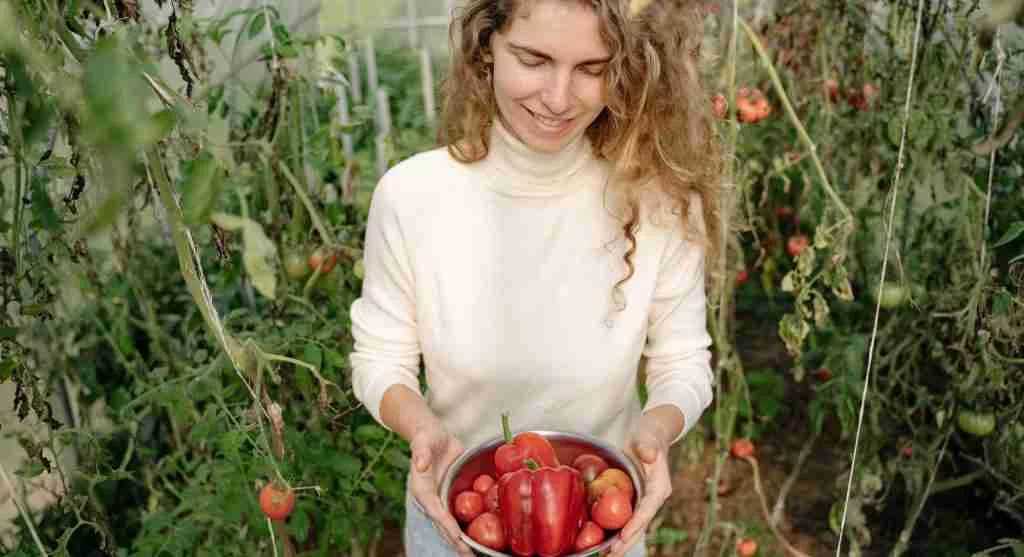

Useful harvest tips can help backyard gardeners recognize that picking is not always only about taking food at the perfect stage. Sometimes it is also about opening the plant back up so the next stage of growth can move forward more clearly. A mature fruit, heavy outer leaf, or older cluster may still look fine where it is, but it can also begin blocking light, crowding developing growth, or making the plant harder to read and manage.
This is easy to overlook because a mature crop still feels productive simply by remaining attached. The gardener sees visible abundance and hesitates to remove it too soon. But some produce has already done most of the good it can do in that position. The more useful next step may be to harvest it and let the plant breathe again. These harvest tips focus on how to recognize when mature produce should come off not only for kitchen use, but also to make room for what is coming next behind it.
Mature Produce Can Become a Physical Obstacle Before It Becomes a Quality Problem
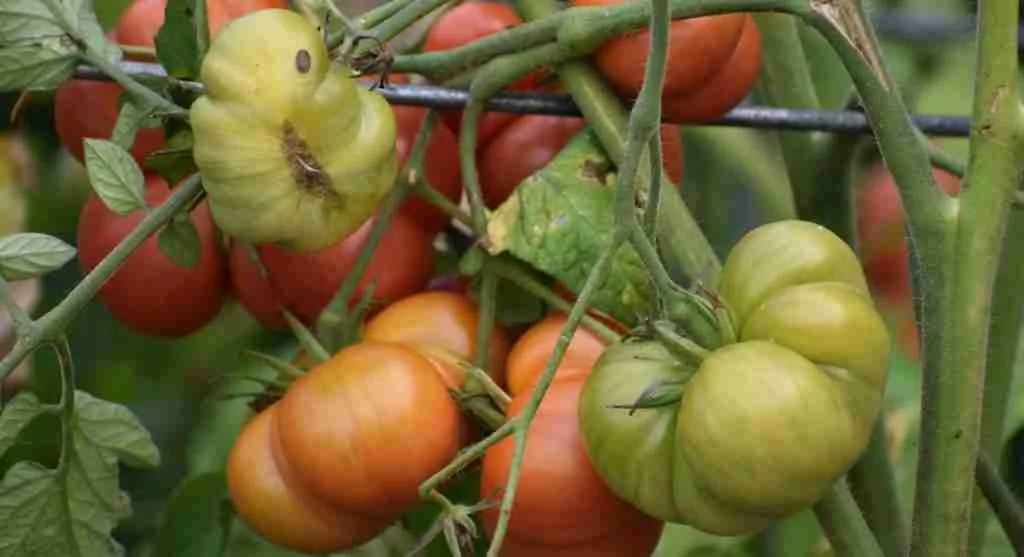
Many gardeners wait to harvest only when they think the crop is about to lose eating quality. That matters, but physical impact matters too. Produce can start interfering with the plant before it becomes clearly overmature. A large fruit can shade younger fruit. Outer leaves can hide new growth. Heavy clusters can pull stems into awkward positions that make later inspection and harvest harder than they should be.
This is why some of the best harvest tips ask a broader question than “Is this ready?” They also ask, “Is this now getting in the way?” That second question often improves timing in ways gardeners do not expect at first.
New Growth Often Needs More Room Than the Gardener Realizes
A plant pushing fresh leaves, new flowers, or smaller developing produce often needs light, airflow, and visibility more than it needs the older harvest to stay attached for one extra day. The gardener may still be admiring what is already mature, while the plant is already moving its energy toward what comes next. If the older growth keeps occupying the front stage, the newer growth can end up hidden or slowed more than it should be.
One of the strongest harvest tips is learning to read the plant in layers. The mature layer may look like success, but the emerging layer often reveals what success needs next. When those two layers begin competing, harvest usually becomes the cleaner choice.
Opening the Plant Improves More Than Harvest Access
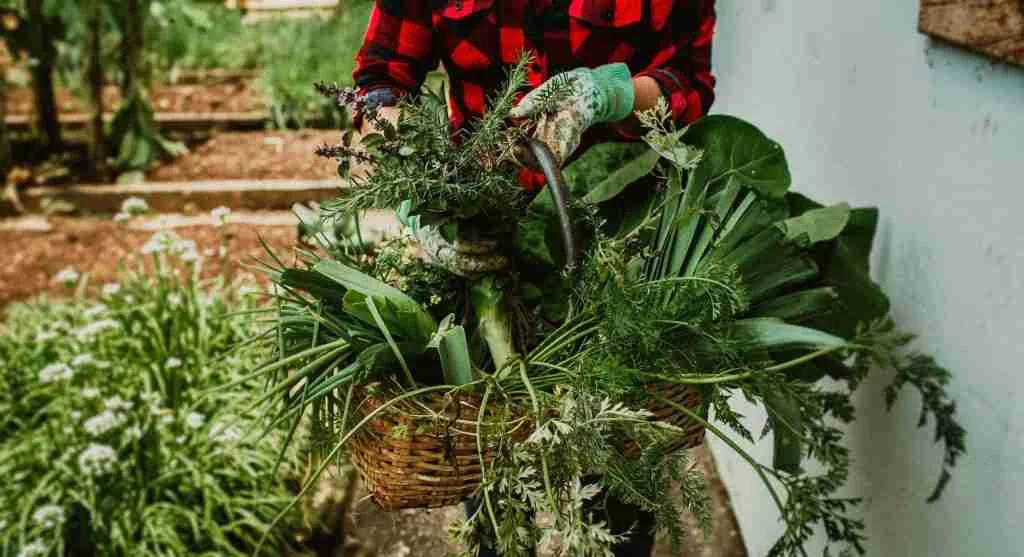
When a mature harvest is removed at the right time, the benefit often extends beyond the food itself. The plant becomes easier to inspect. The gardener can see what is ripening next. Air moves more freely through the growth. Water can be directed with more confidence. These improvements usually make the bed feel calmer and more manageable.
This is important because a crowded productive plant can still create hidden delays. The gardener misses younger produce, overlooks fading interior leaves, or waits too long to see the next wave coming. Harvest that opens the plant often restores clarity to the whole routine.
Front-Layer Produce Often Hides the Real Stage of the Plant
Some plants keep older mature produce in the most visible position while newer growth develops quietly behind or beneath it. The eye naturally lands on what is already finished. That can make the whole plant seem further along or more static than it really is. In truth, the plant may still be actively building its next useful stage.
This is why harvest timing should sometimes be based on what the plant is becoming, not only on what it has already completed. A front-layer harvest can be the action that makes the true current stage visible again.
Heavy Older Growth Can Slow the Feel of the Bed
A bed does not need to be failing for it to start feeling slower. Sometimes it simply gets weighed down by mature produce that has stayed on long enough to change the rhythm of care. The plant becomes harder to lift, harder to scan, and harder to move around. Even when the produce is still usable, it may already be reducing the speed and clarity of the next round of work.
Good harvest tips often protect rhythm as much as quality. A crop that comes off at the right moment can make the whole bed feel lighter and more responsive, even before the gardener notices the exact reason why.
Picking for Space Is Not the Same as Picking Too Early
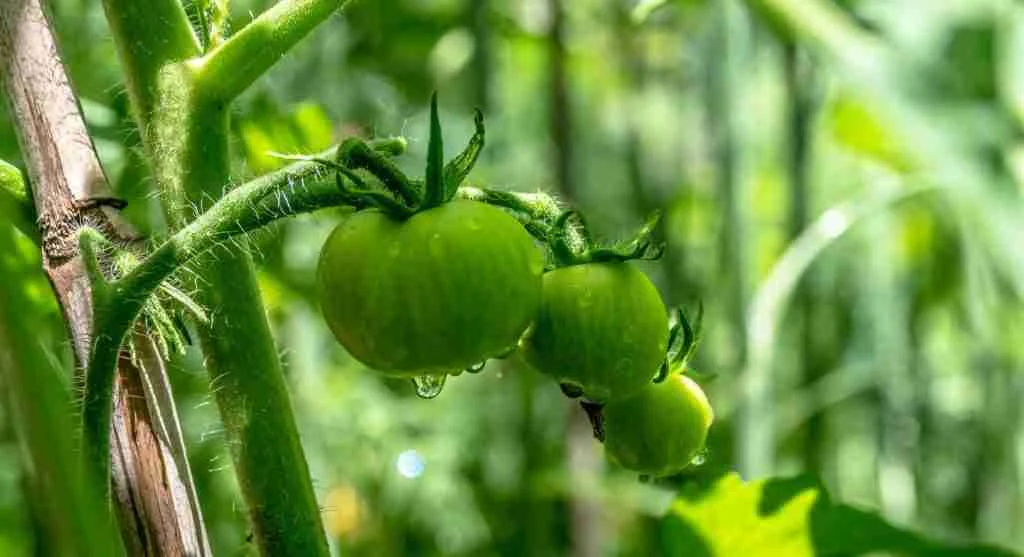
Some gardeners worry that harvesting to open the plant means giving up potential size or leaving food on the table. That can happen if the crop is taken genuinely too soon. But many space-opening harvests happen after the produce is already fully useful. The issue is not that the crop is unready. The issue is that it has finished helping the plant in that position.
This distinction matters. Harvesting to create room is not about rushing the crop. It is about recognizing that maturity has already been reached and the next benefit now lies in removal, not delay.
Different Crops Reveal This Need in Different Ways
Some crops make the need obvious through heavy outer leaves. Others do it through front-hanging fruit, thick pod clusters, or mature produce that shades or hides what comes next. The details differ, but the principle stays the same. Once older harvest begins blocking younger progress, timing should include the needs of the upcoming growth, not only the status of the current harvest.
One of the best harvest habits a gardener can develop is asking which crops in the garden regularly build in layers. Those are often the crops where picking to create space becomes especially useful.
Keep Notes on Which Harvests Improved the Plant After Removal
Some of the clearest harvest lessons come after the basket is already full. Did the plant look easier to read afterward? Did younger fruit become more visible? Did the bed feel less crowded? Did the next harvest come more clearly once the older layer was removed? These are useful questions to record.
Over time, those notes help the gardener understand which crops benefit most from space-opening harvests and which ones truly gain little from waiting longer. That turns harvest into a more intentional tool for guiding the plant’s next stage.
Frequently Asked Questions
Q: What are the best harvest tips for picking mature produce to make room for newer growth?
A: The best harvest tips include watching whether older produce is blocking light, hiding smaller developing growth, slowing inspection, or making the plant harder to manage. If the mature harvest is already useful and now getting in the way, removal often helps the plant more than delay.
Q: Why would gardeners harvest something that still looks fine on the plant?
A: Because a crop can still look good while also blocking the plant’s next stage. Mature produce may be reducing airflow, hiding younger growth, or making the bed harder to read even before its kitchen quality declines.
Q: Does harvesting older produce help younger growth behind it?
A: Often, yes. Removing mature front-layer produce can improve visibility, light access, airflow, and the gardener’s ability to notice and manage what is developing next.
Q: How can gardeners tell if mature produce is starting to get in the way?
A: Common signs include hidden younger fruit or leaves, more crowded stems, harder harvest access, a slower-feeling bed, and the sense that the plant becomes clearer and easier to manage once older produce is removed.
Key Takeaway
These harvest tips show that picking is sometimes about making room as much as it is about gathering food. Backyard gardeners who remove mature produce at the point where it begins blocking younger growth often keep plants easier to read, easier to harvest, and better aligned with the next stage of the season. In many beds, the smartest harvest is the one that opens the way for what is coming next.