
Practical soil tips can help raised beds stay productive well beyond the first planting season. Many gardeners build raised beds for better control, a cleaner layout, and easier access, but those advantages can fade if the soil isn’t maintained properly. Good soil habits often determine whether a bed continues to perform well or gradually declines.
Soil educators, vegetable growers, and garden specialists often point out that raised bed soil changes more quickly than in-ground soil. It can dry out faster, settle over time, and lose structure if organic matter isn’t replenished. These soil tips focus on simple ways to improve structure, retain moisture, and keep raised beds balanced throughout the season.
Why soil tips matter so much in raised beds
Raised beds may be easier to manage, but the soil still needs regular attention. Because the space is more contained, changes in texture, moisture, and organic content become noticeable sooner than in larger garden plots. A bed that starts the season loose and rich can feel compacted or uneven by the end if it’s not maintained.
Researchers and soil specialists often emphasize that healthy soil does more than support plant roots. It helps regulate water, improve airflow, and sustain beneficial soil life. In raised beds—where planting is often dense and crops are rotated frequently—these factors are even more important. Soil care helps maintain the system that keeps everything working together.
When gardeners focus on the soil itself, plant care becomes easier. Moisture stays more consistent, roots grow more freely, and the bed remains productive for longer. That’s why soil care should be treated as an ongoing part of gardening, not just a one-time setup.
Add compost regularly to refresh raised bed soil
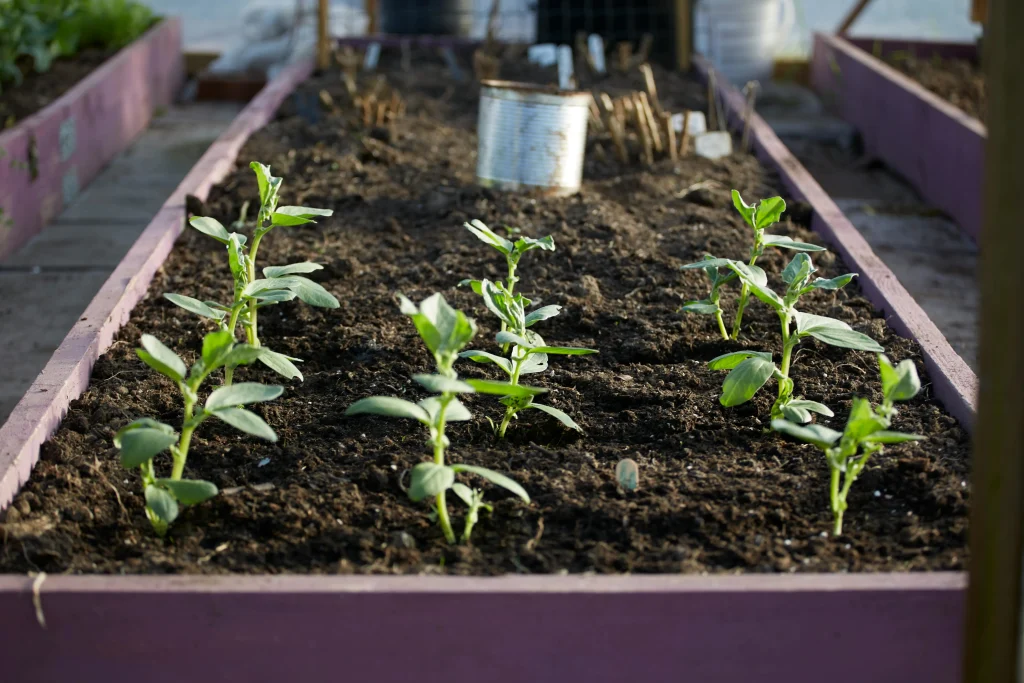
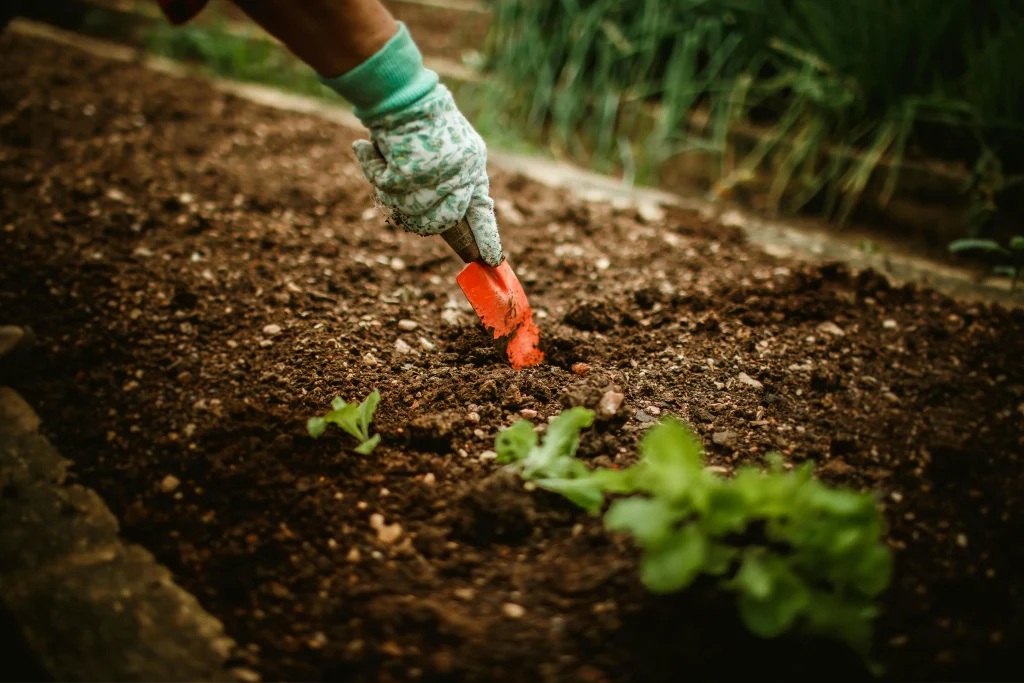
One of the most effective soil tips for raised beds is to add compost regularly. Compost replaces organic matter, improves structure, and creates better conditions for roots. In a space where crops are planted and harvested repeatedly, this steady renewal is especially important.
Soil care educators often suggest adding compost at the beginning of the season, between crop changes, or whenever the top layer starts to look dry or worn out. It helps the soil retain moisture more evenly while preventing it from becoming too compact. It also supports the natural soil activity that plants depend on.
There’s no need to overdo it. A moderate layer added consistently tends to work better than large, occasional additions. This steady approach keeps soil care simple and easy to maintain as part of a regular gardening routine.
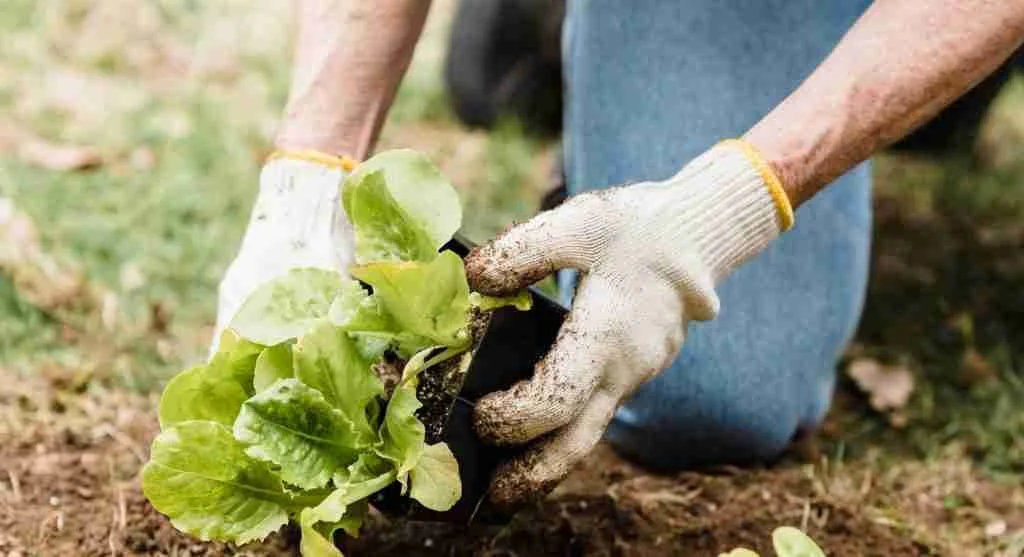
Credit: Ian Probets / Pexels
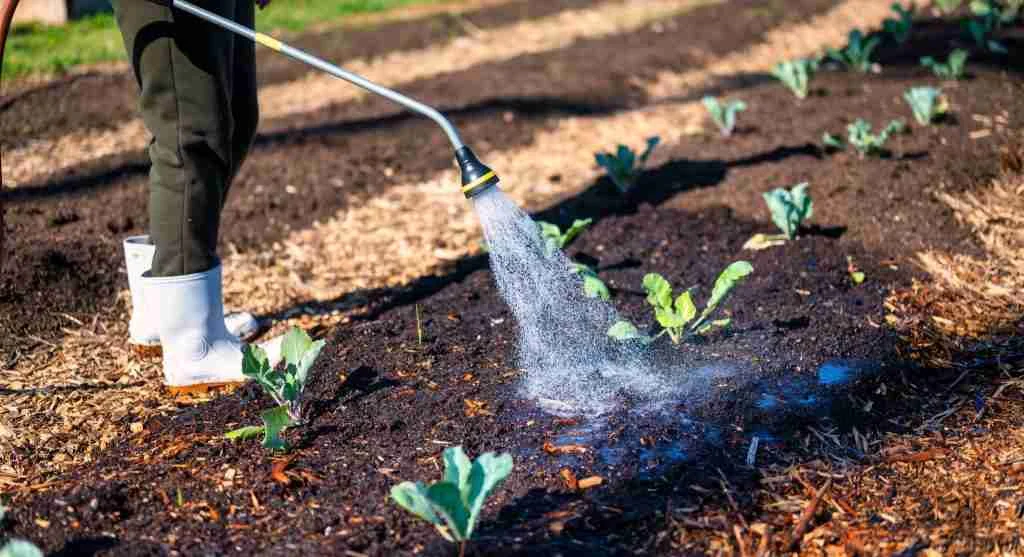
Credit: Helena Lopes / Pexels
Feed the Soil Between Crop Changes
Raised beds are often used intensively, with one crop following another through the year. Over time, this repeated planting can reduce organic matter and leave the bed less lively if nothing is added back. One of the better soil tips is refreshing the bed between crop changes instead of waiting for the next full season.
Soil and crop specialists often explain that a short reset between plantings can support healthier next-stage growth. This may include clearing old roots, loosening the top layer lightly, adding compost, and replacing mulch. These simple steps help the bed recover from the previous crop without turning soil care into a major project.
Raised bed soil performs best when it is treated as an active system rather than a fixed filling that stays the same forever. Frequent small refreshes often keep the bed more productive over time.
Observe Drainage and Settling Through the Season
Not all raised beds behave the same way. Some settle more in the center, some drain quickly near the edges, and some stay too wet after heavy rain. One of the most useful soil tips is paying attention to these patterns instead of assuming the whole bed behaves evenly.
Garden planners often recommend simple notes on where crops struggled, where the soil dried first, or where water stood too long. These patterns can help gardeners decide where to add more compost, where to adjust mulch depth, and where certain crops may perform better. Over time, these small observations improve the way the whole bed is managed.
To improve soil structure in a raised bed, gardeners often need to respond to real conditions rather than general advice alone. Observation helps turn broad soil tips into methods that fit the actual garden.
Protect Healthy Garden Soil Through the Off-Season
Raised beds do not stop needing care when the main growing season slows down. Bare soil left exposed through rain, wind, and cold weather can lose structure and organic cover. One of the most useful soil tips for long-term bed health is protecting the surface during quieter months.
Growers often use mulch, light cover crops, or a refreshed compost layer to protect raised beds during the off-season. These methods help shield the soil surface and keep the bed from becoming tired or stripped before the next planting cycle begins. This is especially helpful in beds used year after year for vegetables.
Healthy garden soil usually holds up better when care continues between seasons. A little off-season protection can make spring preparation easier and help the bed return to production more smoothly.
Frequently Asked Questions
Q: What are the best soil tips for raised beds?
A: Some of the best soil tips for raised beds include adding compost regularly, keeping the surface mulched, avoiding compaction, checking moisture below the surface, and refreshing the bed between crops. These habits help the bed stay productive longer.
Q: How can gardeners improve soil structure in raised beds?
A: Gardeners often improve soil structure by using compost, protecting the surface with mulch, and keeping foot pressure off the bed. Over time, these steps help the soil stay looser and more balanced.
Q: Why does raised bed soil dry out faster than ground soil?
A: Raised bed soil may dry faster because it is more exposed to air, sun, and wind around the bed edges and upper layers. Mulch and steady watering habits can help reduce that effect.
Q: Does healthy garden soil need care between seasons?
A: Yes, healthy garden soil benefits from off-season care such as mulch, compost, or light cover. These steps help protect the bed and support stronger planting conditions later.
Key Takeaway
These soil tips show that raised beds stay productive longer when the soil inside them is refreshed, protected, and observed through the season. Compost, mulch, careful watering, and protection from compaction all help improve soil structure and support healthy garden soil over time. Small resets between crops and simple off-season care also make a big difference. For gardeners working with raised bed soil, steady habits often matter more than one-time fixes.
[INTERNAL LINKING SUGGESTIONS]
- Soil Tips That Help Backyard Gardens Grow Stronger Through the Season
- Water Saving Tips That Help Backyard Gardens Stay Healthier in Warm Weather
- Growing Hacks That Help Small Backyard Gardens Use Space Better